I sometimes find myself thinking about how the pictures and physical structures still with us influence the way we tell the stories of those who lived here before us. The structures that have withstood the test of time on this land, largely built for a certain class of our predecessors in this part of Maryland, makes it much easier to tell their stories. The big estates on the hills provide a physical frame of reference to better understand a part of our history.
But what about those who were connected to structures that are gone or forgotten about? Those who in many cases lacked the financial means to build homes, barns, churches, and cemeteries out of the materials capable to last centuries? Their stories are equally as important but much harder to tell.
With February being Black History Month, I’d encourage all to spend some time learning more about the vibrant and historic Black communities surrounding Poolesville (The Sugarland Ethnohistory Project and the Warren Historic Site would be two good starting points). These communities were started in the decade after the Civil War, when formerly enslaved peoples found themselves with newfound freedoms. Today, much of the structures associated with these communities have been lost to the ravages of time, mother nature, and development. But we are incredibly lucky that many of these communities’ most important structures, primarily churches and schools, are still with us. And more importantly, many long-standing members of these communities still live amongst us with stories to tell.
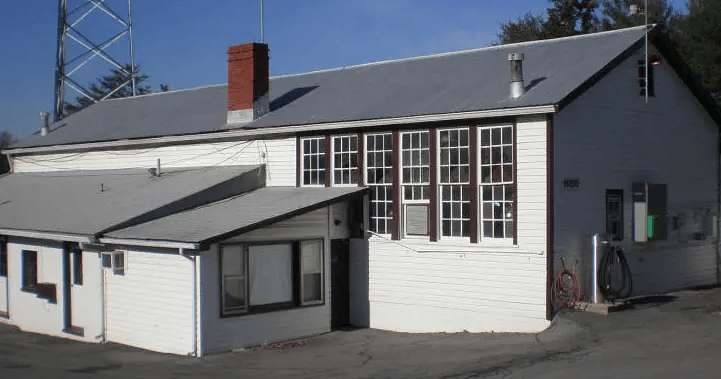
One structure in this part of the Ag Reserve that is still with us but seems to have been largely forgotten is the Rosenwald School, located at the “Beauty Spot” on Jerusalem Road. I’d like to see it receive far more attention by residents given its historic cultural significance. There is currently no signage or marker signifying the building or explaining its history, but perhaps we can change that.
In 1913, Julius Rosenwald – a successful Jewish entrepreneur and philanthropist – partnered with Booker T. Washington to fund the building of six small schools for African American children in Alabama. Rosenwald had been a strong advocate for improving race relations in America, writing in the 1911 that “the horrors that are due to race prejudice come home to the Jew more forcefully than to others of the white race, on account of the centuries of persecution which they have suffered and still suffer.”
Seeing the impact of his efforts, Julius created the Rosenwald Fund in 1917, donating more than $70 million dollars to educational and cultural facilities centered on Jewish and African-American communities across the country. As part of this effort, thousands of additional schools were built across the country in the 1920s to improve educational opportunities for Black children.
These schools, collectively referred to as Rosenwald schools, were largely transitioned to other uses in the 1950s and 1960s as desegregation of public schools took place.
The next time you drive by the “Beauty Spot” on Jerusalem Road, take note of the long, single story building just inside the entrance. This structure is one of few remaining Rosenwald school buildings in the county, and the only one retaining the large windows that were a defining architectural characteristic of Rosenwald schools when originally built. This school, built in 1925 for children from the Jerusalem and Jonesville Communities, was closed in 1949. The materials and architectural design of the building are certainly interesting, but only insomuch as they help us better understand the stories of the people who were here on this land before us. Let’s all try to seek out the stories from these communities this month.

