I speak often of historic homes here in the Ag Reserve that have been lost over the last few decades. It’s an issue that I believe is of pressing concern. But there are also a number of great examples of historic properties being preserved and restored – ensuring future generations of Ag Reserve residents are able to enjoy them as we do today.
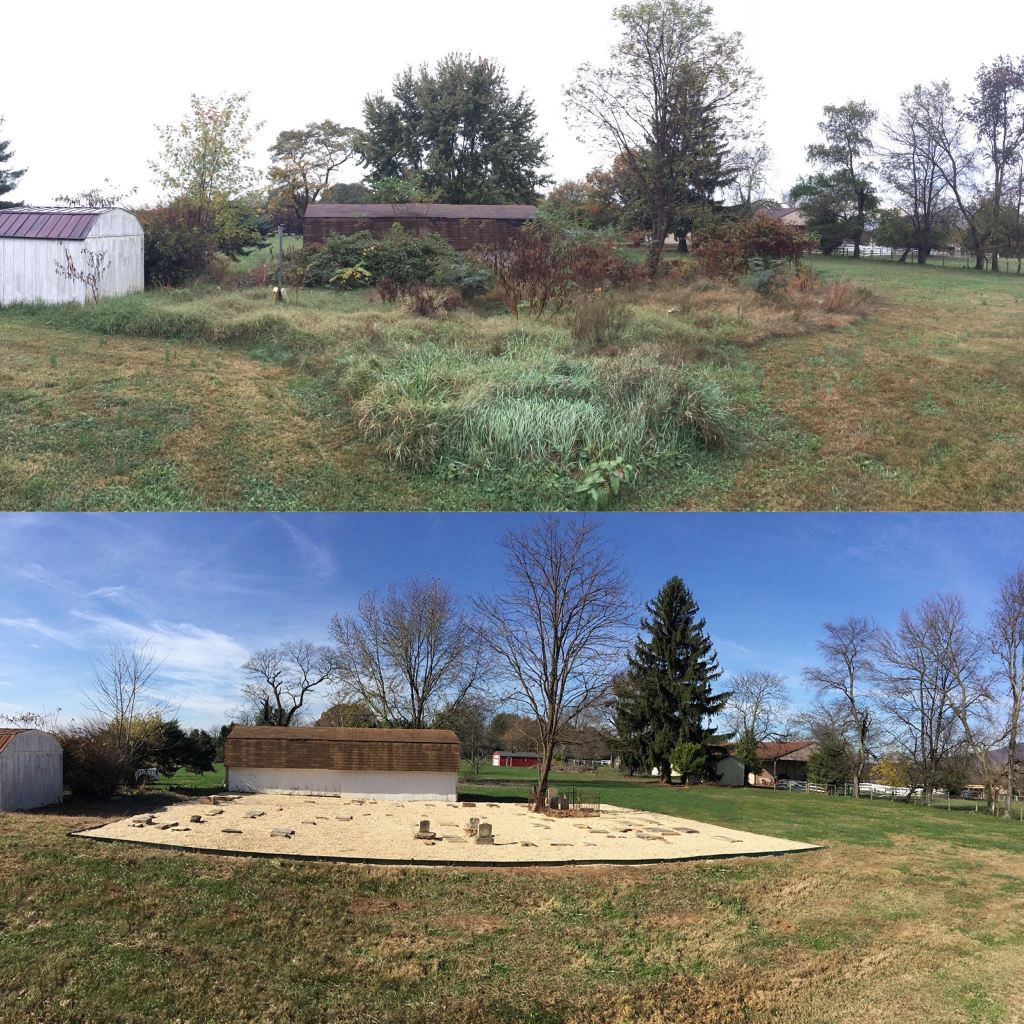
One recent example of incredible preservation and documentation work occurred in Barnesville. The Barnesville Methodist Episcopal (ME) Church was organized in 1845. Located across Barnesville Road from St. Mary’s Church, the ME Church is no longer standing. However, a cemetery associated with the church was rediscovered in 2008 during research into local burial records. Upon initial survey, the cemetery was completely neglected, with old car parts, burn barrels, overgrown vegetation, and other debris left scattered on top of the graves.
Over the last two years, under the leadership of Glenn Wallace – a member of Monocacy Cemetery’s Board of Directors – a small team of concerned Ag Reserve residents have worked together to restore the cemetery to a more acceptable condition. Not only is the cemetery now accessible and clearly marked, but Glenn has catalogued each burial in the cemetery online at the Find a Grave website, ensuring those looking for details related to the individuals buried can be discovered.
Another example of incredible preservation work can be seen as you drive from Poolesville towards White’s Ferry at the intersection of White’s Ferry and Martinsburg Roads. It was here – at a site now referred to as the Warren Historic Site – that the presence of the Warren United Methodist Church, Martinsburg Negro School, and Loving Charity Lodge Hall served as the center of the Martinsburg Black Community. For the community, started shortly after the Civil War, these structures represented key tenets of freedom – education, faith, and congregation.
The Loving Charity Lodge Hall provided a place where community members could work together to acquire insurance and other benefits. The structure also served as a community gathering place for celebrations and other events. Built in 1914, the Charity Hall had fallen into a dilapidated state by the 2000s. However, the Warren Historic Site Committee, working with other concerned citizens and with funding from multiple county and state level preservation organizations, was able to fully refurbish and restore the Hall. Further, ongoing preservation work is taking place at the Church and the Negro School, ensuring that future Ag Reserve residents are provided a tangible link to the important role Black Communities play in the Reserve’s history.
A final example is the Dr. Thomas Poole Home here in Poolesville. Possibly more recognized as the location of the Blue Hearth until recently, the home was built around 1835. The home has had many lives. It’s served as a dental office, the home for the PHS principal, and three different restaurants (The King’s Head Tavern, the Country Peddler Inn, and the Cross Country Inn). What I love about this home is that it appears timeless. Go back and look at old pictures and it looks identical to what you see today. As beautiful a home as it is, we almost lost it. In the late 80s the home was abandoned and there was strong consideration to demolishing the structure. Luckily, the Historic Medley District stepped in, bought the home, and restored it.
Historic preservation is hard work. It’s tedious, often expensive, and frequently involves plenty of bureaucracy. Despite the challenges, the effort is worth it. When we think about the things that make the Ag Reserve a special place to live, a big part is the physical landscape and the stories they hold. These old places serve an important function and we need to protect them.
Know of a great example of historic preservation in the Ag Reserve? I’d love to hear about it! Send me a note!

