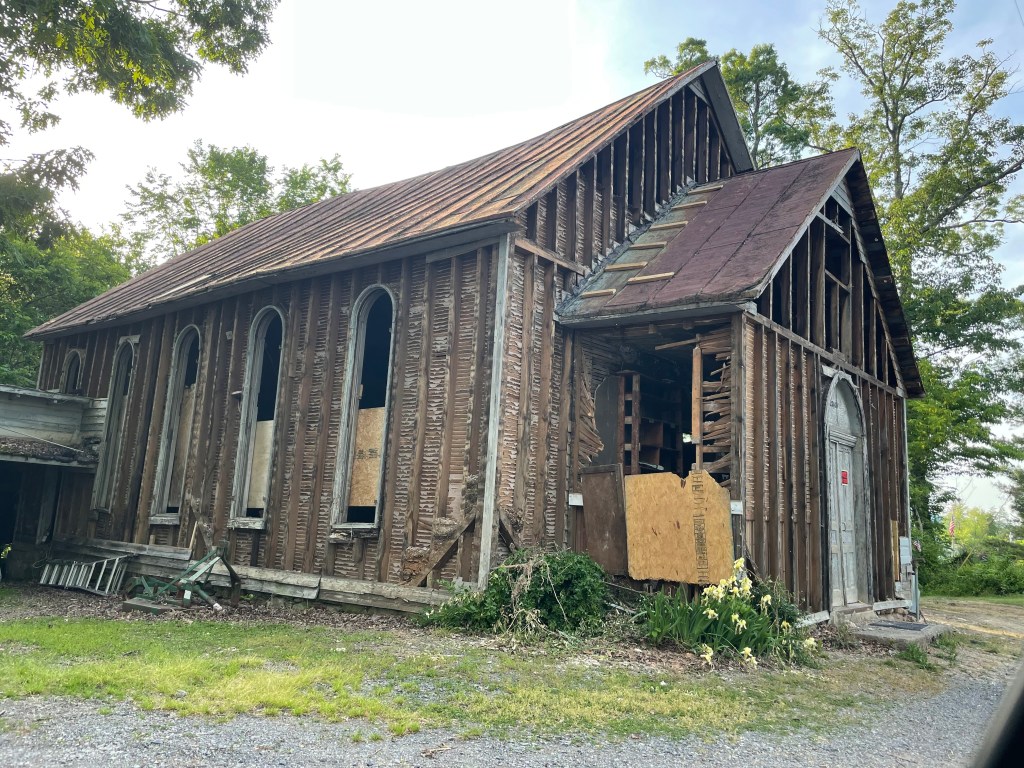
Like many, I was saddened this past week to learn of the dismantling of the historic Christ Episcopal Chapel in Barnesville. Like many, I’ve been driving by the structure over the last few years thinking that something must be done to stabilize and protect the building. Like many, I went on with my day and did nothing.
I have no interest in pointing fingers or placing blame. Unfortunately, there are times when a structure just outlives it’s sustainable and reasonable existence, and for all I know, that is the case in this specific instance. But for those of us who love old things – barns, homes, roads, fields, etc. – it was a sad loss. As is the case with other historic structures we’ve lost here in the Ag Reserve, we probably lost this building a long time ago. Perhaps if work had been done 10-20 years ago to stabilize the structure and prevent termites the chapel could have continued on, but as most historic property owners will tell you, it’s hard to sink money into structures that are infrequently used to do things that still might not work to save the place. In studying the homes we’ve lost, a frequent paradox is observed – it’s typically the owners of these properties, the ones who physically dismantle the structure, that are most sad about it. I suspect that’s the case here as well.
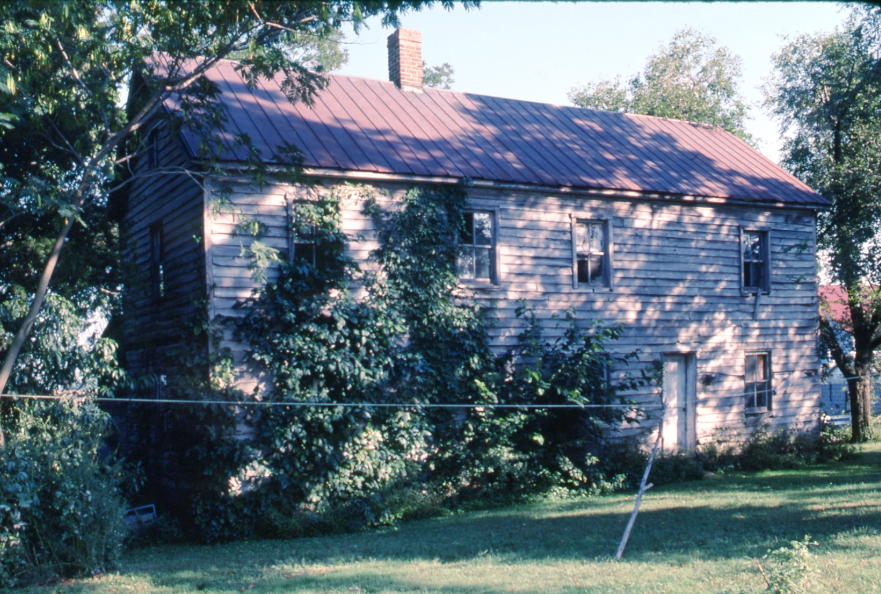
While I wasn’t surprised to see argument amongst residents break out on social media when the church came down, two things from the online back and forth did surprise me. First, the number of individuals espousing the view that property owners have the right to do as they please on their properties. Unfortunately, there are a lot of things we actually can’t do on our properties – for example, just take a look at the Poolesville Town ordinances online if you live here in town. And if you are a historic property owner, the restrictions and limitations with what you can do on your property are even greater.
Secondly, I was pleasantly surprised to see how many were upset with the loss and willing to suggest ideas for how the structure might have been saved. It’s too little, too late for the chapel, but moving forward, I plan to ask you to put your money (and/or time, energy, engagement, etc.) where your mouth is. As a relatively new board member on both the Montgomery Countryside Alliance and the Historic Medley District, I plan to work with both organizations to increase historic preservation efforts here in the Reserve. In fact, I’ve already developed an Endangered Historic Ag Reserve Infrastructure inventory to begin the process of developing solutions that will protect and preserve these sites and structures. Between the resources and connections these organizations bring to the table and the demonstrated interest of concerned locals, I have no doubt many historic properties can be saved.
If you are the owner of a historic property and could use some help. Don’t wait. Send me an email. Let’s figure out a way to do the things that need to be done today that will prevent the loss of more historic infrastructure in the future. If we are to one day lose the Ag Reserve, it will not be done with one swift action, but will instead result from a slow dismantling, brick by brick, field by field, farm by farm. It’s an outcome that is completely preventable, but we will need to work together.

