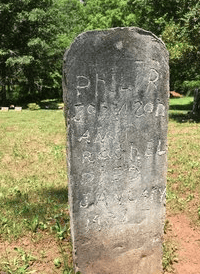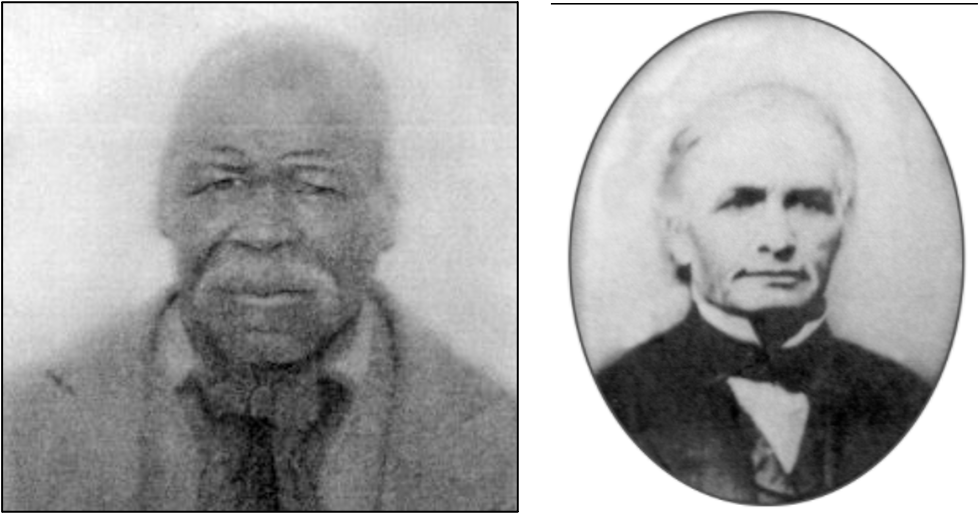
“I was born down on the river bottom. I belonged to ole Doctah White. He owned a lot o’ lan down on de bottom. I don’t know his first name. Everybody called him Doctah White.” These memories, recorded in 1937 as part of the Works Progress Administration’s Slave Narrative Project, came from Phillip Johnson. Born into slavery in 1847, Phillip was one of many enslaved peoples owned by Dr. Stephen Newton Chiswell White – a successful doctor, landowner, and politician who lived his entire life in the Ag Reserve.
Throughout the 1800s, the White Family was one of the most prominent in the area, owning a significant amount of land and heavily involved in local politics. Stephen was born in 1800 to parents Nathan and Margaret White – likely at the White-Carlin Farm near Boyds (the farm was built by Nathan in the last decade of the 1700s). There’s little record of Stephen’s upbringing, but given family connections, it’s likely he spent significant time on a number of historic farmsteads throughout the western portion of the Ag Reserve and in Poolesville. At 23 years old, Stephen married Ann Belt Trundle.
The Trundle family was also prominent in the area having benefited from the wheat boom of the early 1800s. Ann’s father, Samuel Trundle, had used his wealth to build Annington in 1813 and it was this stately home that Stephen and Ann took possession of after their marriage.
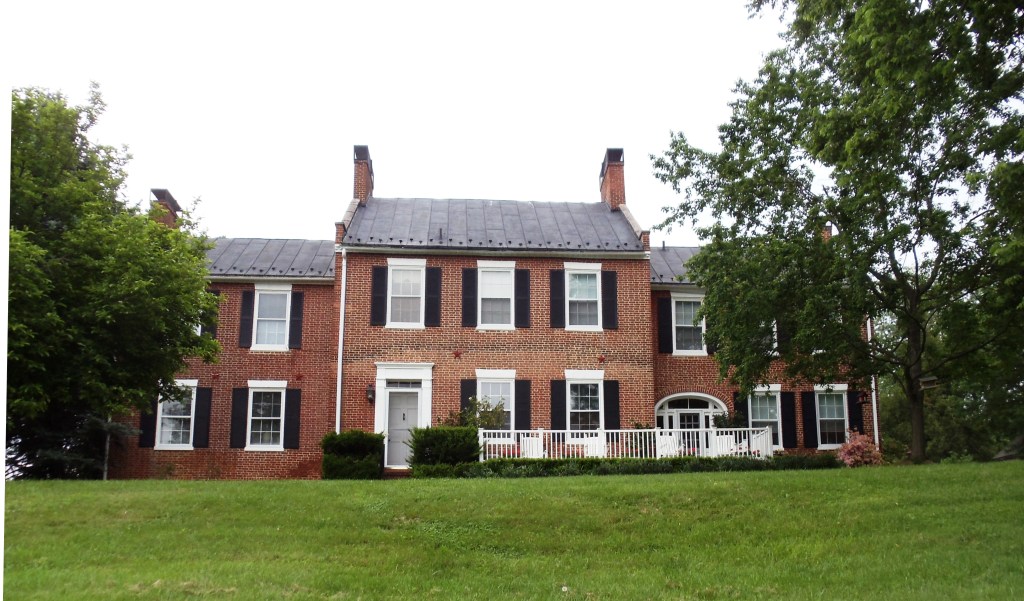
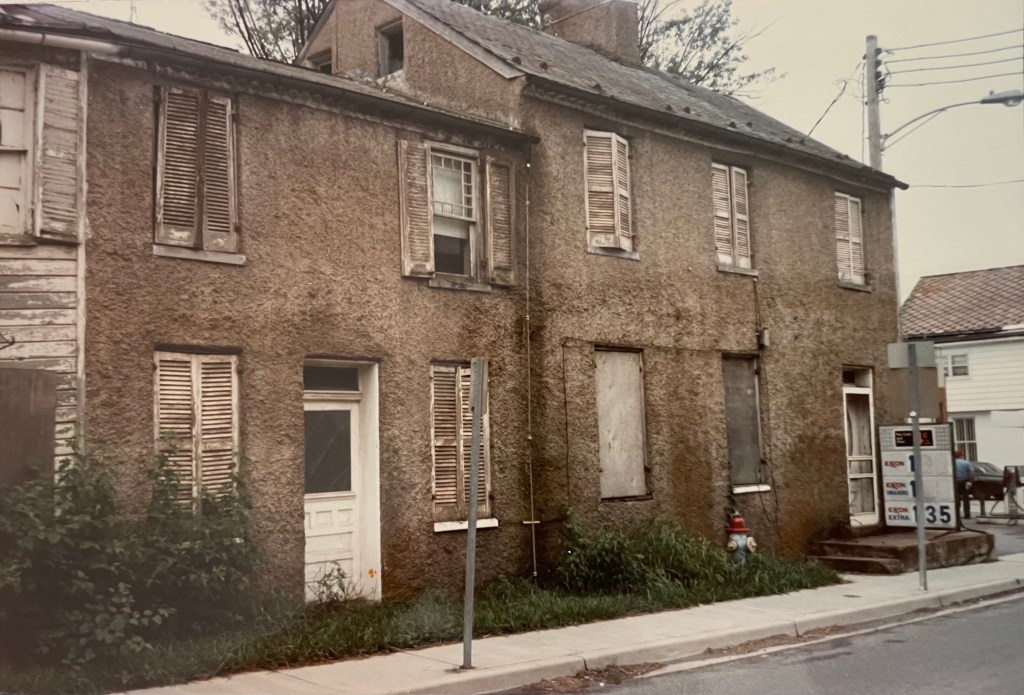
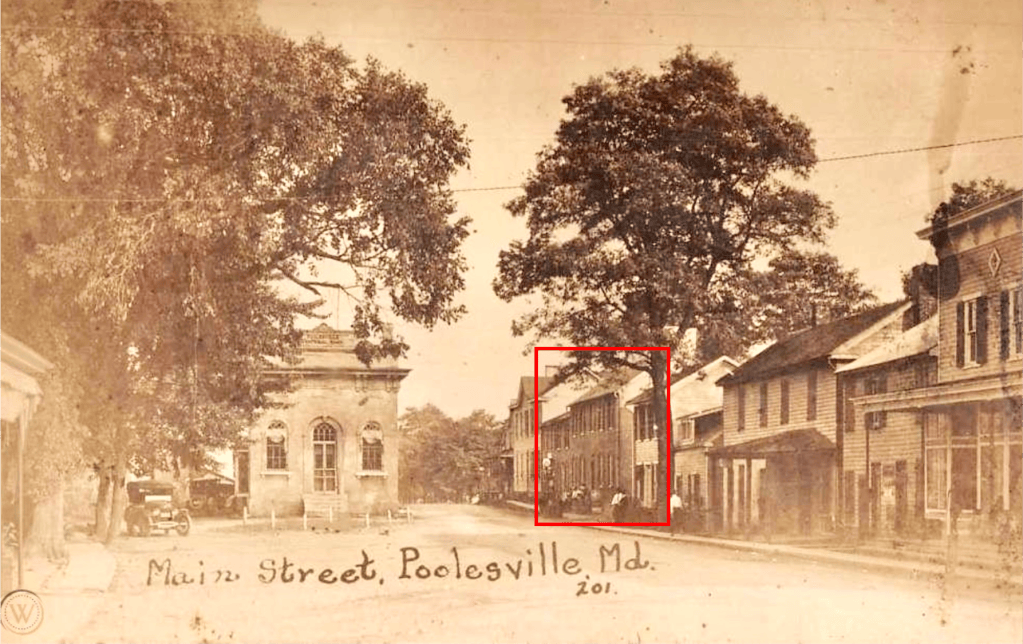
In addition to owning significant land, the White Family owned many enslaved persons across the Ag Reserve and Stephen was no different. While enslaved labor was used to cultivate the wheat, corn, and oats in the fields around Annington, Stephen ran what appears to have been a successful medical practice in Poolesville while also serving as a Republican state representative for Montgomery County. To accommodate his successful medical practice, Stephen built a home in the center of Poolesville around 1830 that he also used as a doctor’s office.
In 1835, Ann unexpectantly died following an unknown illness that lasted 10 days. Her obituary notes that “she has left a disconsolate husband and three small children, with many near and dear friends to deplore their painful bereavement.”
Two years after Ann’s death, Stephen married Elizabeth Gott Chiswell, a cousin. While there is no clear evidence, it’s believed that Elizabeth and Stephen spent much of their newly married lives at the home in Poolesville (I suspect, but don’t know for sure, that there was a bit of awkwardness around brining his new bride to Annington given the continued presence of Trundle family members in the area). It was to this home that Phillip was sent in the 1850s by Elizabeth out of concern that the Annington overseer (an unnamed individual responsible for managing and disciplined the enslaved) was excessively cruel to young Phillip. Remembering the overseer, Phillip noted that the “misses took me away from de bottom when I was a little boy, cause ‘de overseer he was so cruel to me. Yes sah he was mean. I promised him a killin if I ever got big enough.”
Stephen died in 1860, but Phillip continued working for the family at the Poolesville residence throughout the Civil War. Phillip stated, “I saw all that fightin around Poolesville. I used to like to watch em fight. I saw a Yankee soldier shoot a confederate and kill him.”
Following emancipation in 1864, Phillip went on to play a role in the formation of the Sugarland African American Community. His home, which no longer stands, was on the south side of Sugarland road. Marrying Rachel Ann Beander in 1877, the couple appears to have had two children. Passing away in 1938, Phillip is buried in the St. Paul Church cemetery. To read his full account in the WPA Slave Narrative, you can see it here: https://historicagreserve.wordpress.com/presentatthecreation/rev-philip-johnson-1847-1938/
To learn more about the legacy of slavery in the Ag Reserve and the formation of our vibrant African American communities, please visit the Sugarland Ethnohistory Project: http://www.sugarlandproject.org/
Note: The quotes taken from the WPA’s Slave Narrative represent important historical documentation of the experience of enslaved peoples in America. However, readers should note that the slave narratives are likely biased and influenced as a result of predominantly white men interviewing African Americans during a time of deep segregation in America.