A few weeks ago, a friend who lives out towards Edward’s Ferry provided me a letter he had received from the county’s historic preservation commission. The letter served notice to residents in the area of the commission’s recommendation to the county planning board to remove the historic Thomas White Farmhouse, located on Club Hollow Road, from the county’s list of historic sites. The significance being that if the planning board agrees with the recommendation – which is highly likely – the restrictions on home demolition will be lifted.
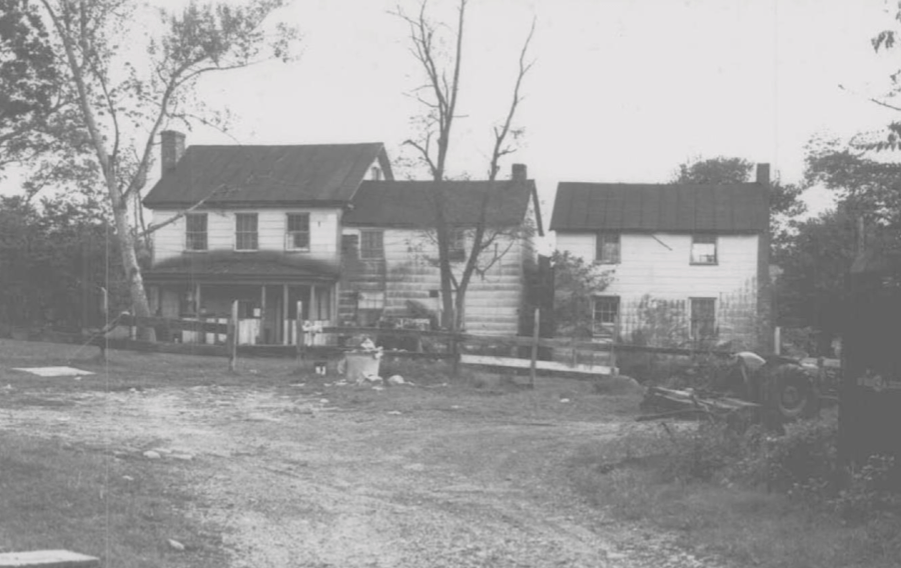
While the loss of a historic property here in the Ag Reserve would be tragic, it’s hard to argue with the historic commission’s report on the property, which is available for all to read on the commission’s website (montgomeryplanning.org). Since at least the early seventies the home has been ravaged by termites and been mostly vacant. As a result, the home is likely beyond the ability to restore (prior owners have tried). Before the home is lost forever, it’s important we take time to record the stories of those who lived there.
The late 1860s were a time of significant change for America, and that was no different here in the Ag Reserve. As young men returned to their family’s farms after experiencing the horrors of the Civil War, formerly enslaved people were grappling with the opportunities and challenges presented by their newfound freedom. Thomas White, a member of the prominent White Family, was one of the young men returning home.
Having served as a personal courier and scout to Gen. Robert E. Lee, Thomas’ war experience ended in 1863 when he was captured by Union forces and spent the remainder of the conflict as a POW held at the Old Capitol Prison in Washington, DC. Thomas’ father, Joseph, was a successful farmer in the area (you can read more about Joseph and his home in a prior article entitled “Wolf’s Cow”) and gave Thomas a large parcel of land that he had purchased in 1856 and located off of what we now refer to as Club Hollow Rd. It was on this land that Thomas built his home at some point before 1871.
Based on census data from 1880, we know that Thomas and his wife Mary had six children living in the home in addition to his wife’s sister, three servants and a number of farmhands who may have been former slaves on the property. As the historic commission’s report on the home points out, the expansion in number of people on the property likely accounts for the many additions that the home appears to have undergone in the last quarter of the 19th century.
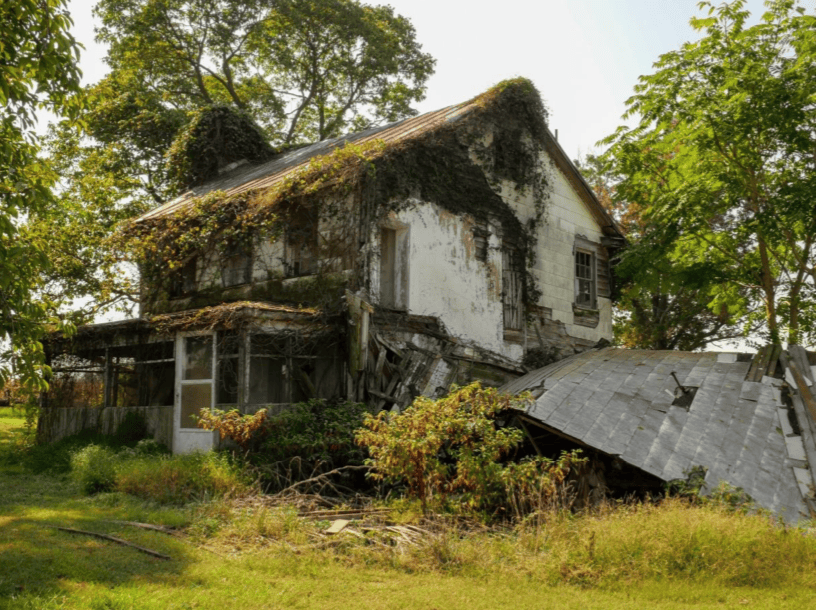
Thomas lived in the home until at least 1897 when he unfortunately defaulted on his mortgage. However, when the home went up for auction, it was purchased by other members of the White Family, who may have allowed Thomas to remain in the home. We do know for sure that Thomas died in 1930 at the age of 99 and the home remained in the White family until the 1940s. Since then, there have been a number of owners.
The likely demolition of the Thomas White Farmhouse is extremely unfortunate, but in reality, we lost this home decades ago. As a member of historic commission once said to me, it’s not healthy for an old home to sit vacant for a long period of time. Perhaps some type of preservation intervention back in the 1960s could have changed the outcome, but it feels a bit too late now. Moving forward, it’s important we capture the stories and history associated with this home for future generations of the Ag Reserve. We should also think about other homes that might benefit from some preservation efforts now to avoid the type of outcome Thomas White’s old farmhouse is moving towards.

