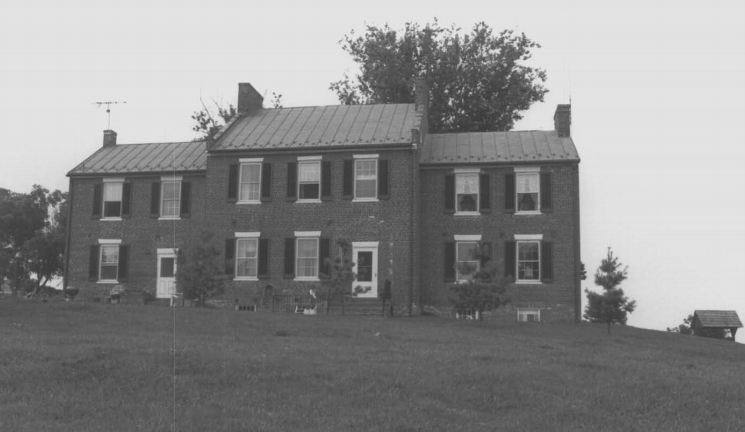
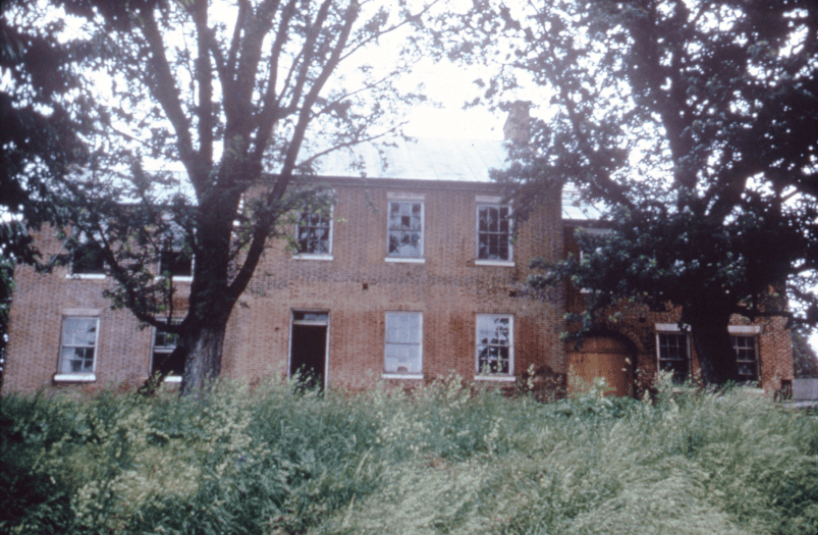
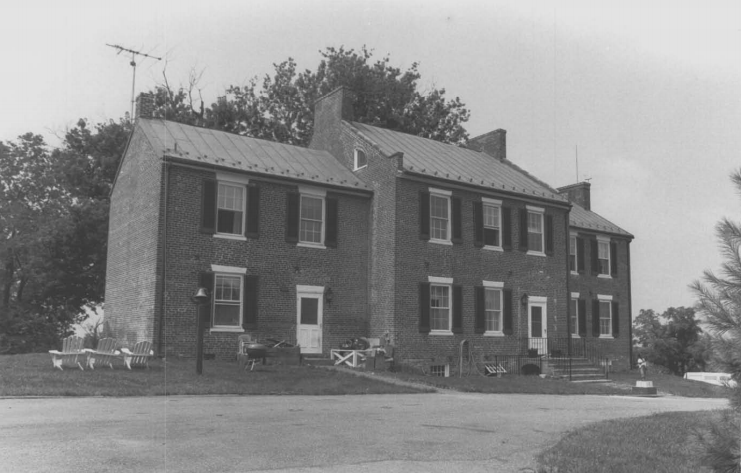
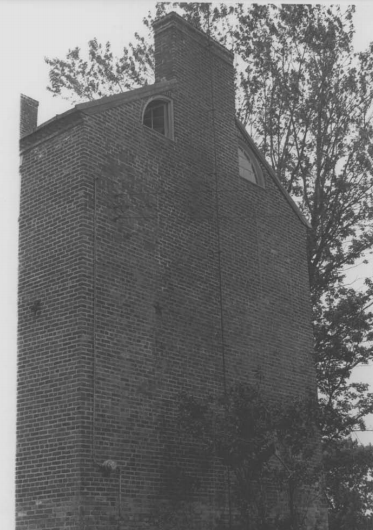

The Trundle Family is included among the many prominent families here in the Ag Reserve throughout the 19th Century. It’s not completely clear when the first of the Trundle’s reached these lands, but based on birth and death records, it was likely sometime in the last quarter of the 18th century. The Trundles, like most prominent families in the area, were planters – a term that generally connotes wealth, agriculture, and in these parts during the 18th and 19th centuries, the ownership of enslaved persons.
The Trundles (and many other families) arrived here in the Ag Reserve at an interesting time in the evolution of American agriculture. As the 18th century faded into the 19th century, so too did tobacco fade as the local cash crop in favor of wheat. The Trundle Family, and in particular Daniel Trundle (1778-1831), appears to have seen this transition coming. Exploiting the transition to wheat and reaping the financial benefits, Daniel purchased 555 acres along the Potomac River near Conrad’s Ferry (now known as White’s Ferry) in the early 1800s.
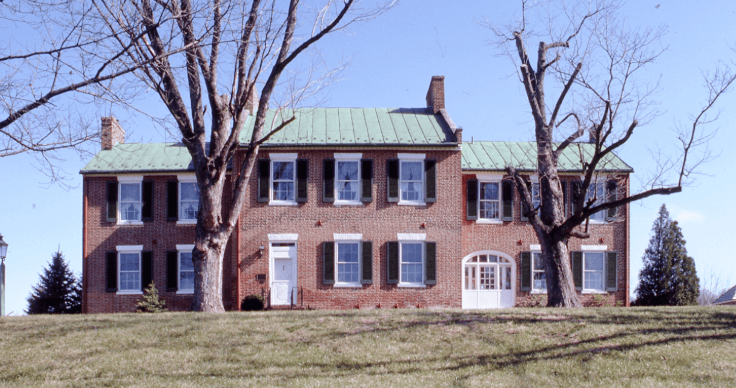
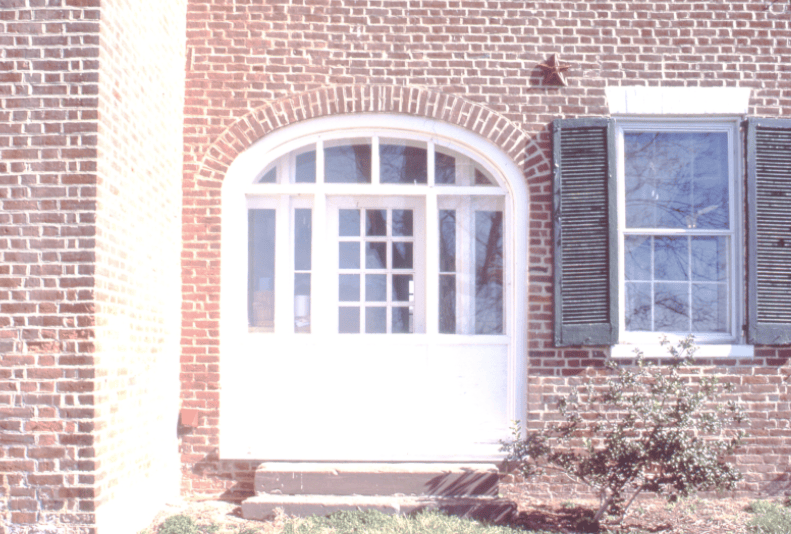
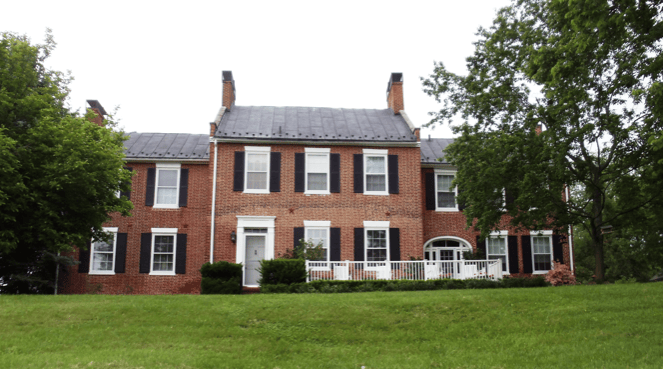
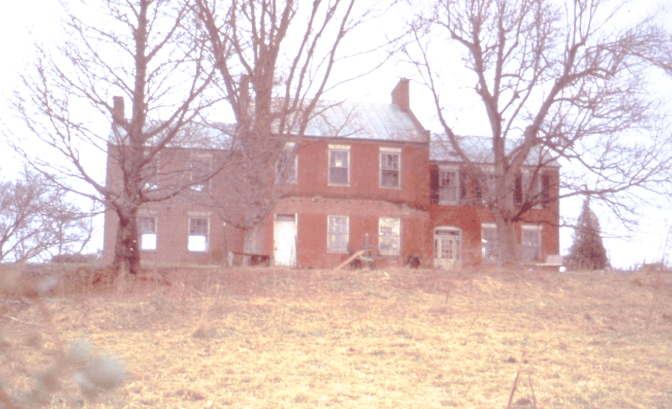
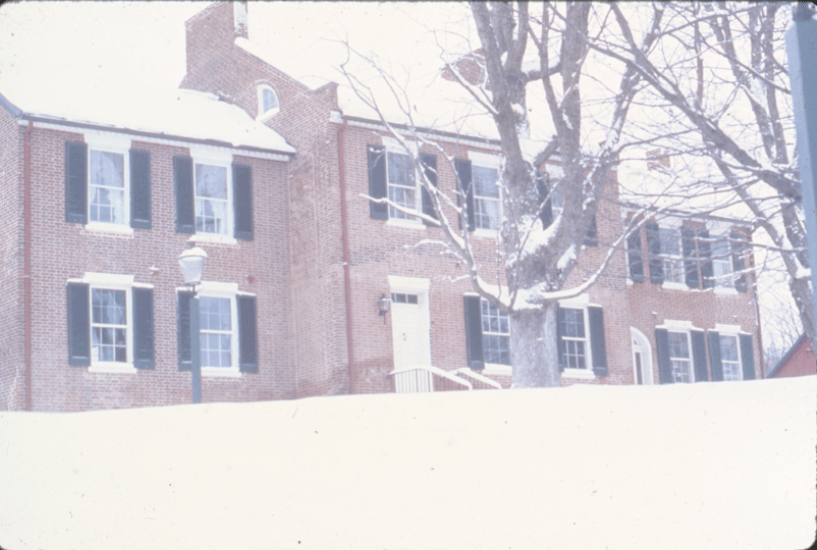
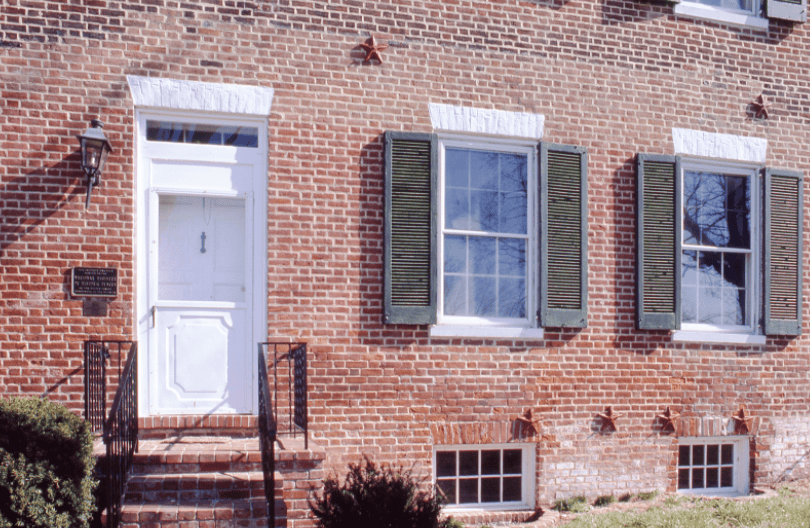
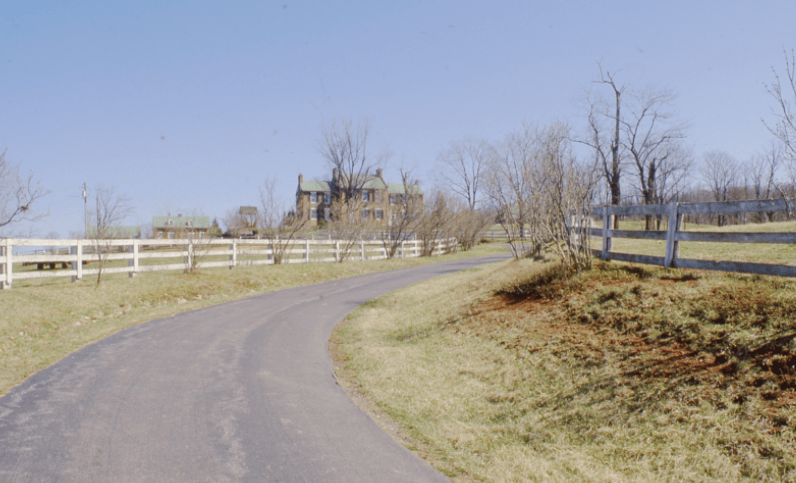
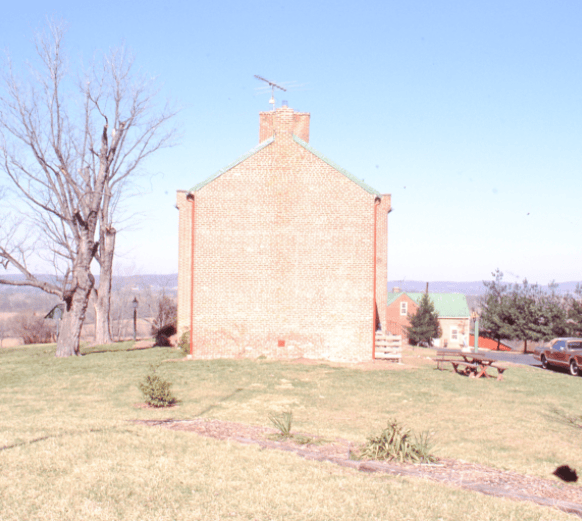
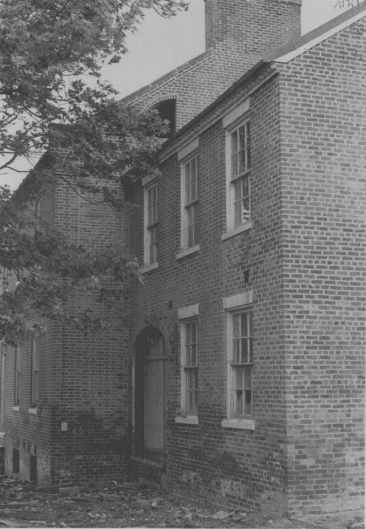
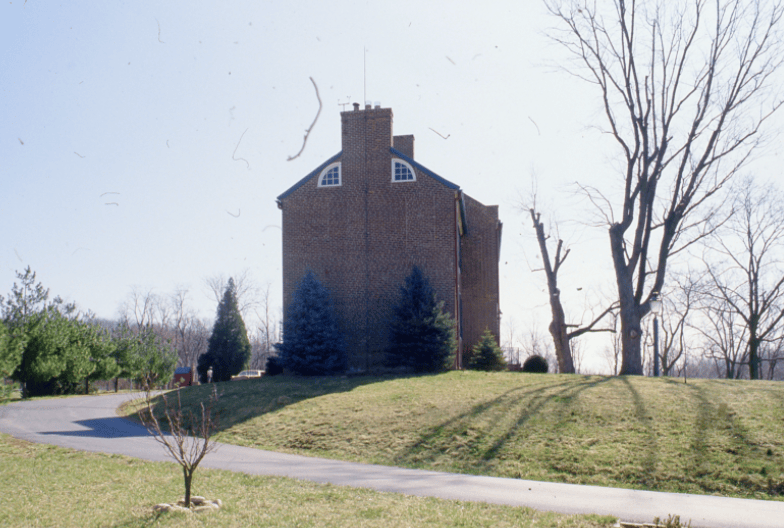
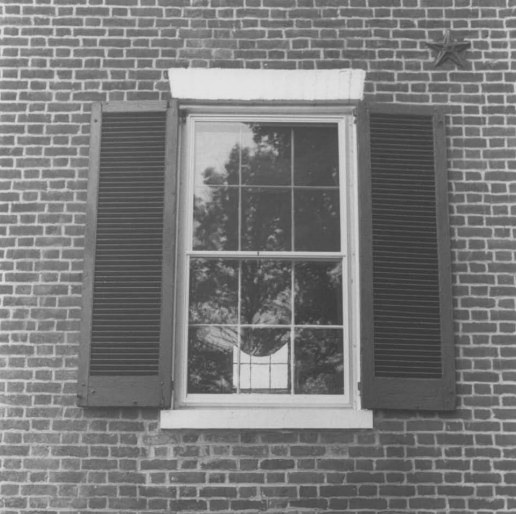
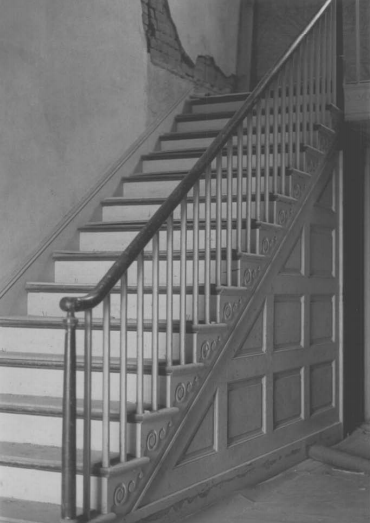
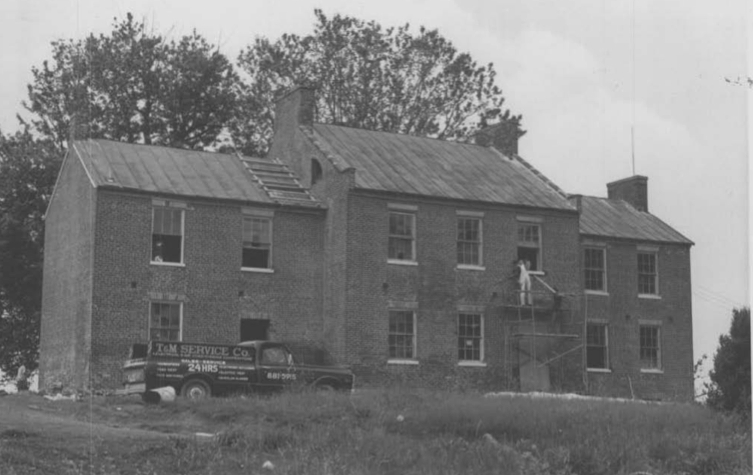
Following a period serving as an officer in the military during the War of 1812 (the details of this service are ambiguous), Daniel built Annington (the home didn’t receive this name until well into the 20th century) on his tract of land. Designed and constructed by Charles Willson, who also had a hand in building nearby Inverness and possibly East Oaks, Annington sits on a high bluff overlooking the river in the Georgian architectural style – denoted by the home’s symmetry and façade details.
Upon Daniel’s death in 1831, the home passed into the hands of his eldest daughter, Ann. Ann had married Dr. Stephen Newton Chiswell White, a local doctor with linkages to the very prominent Chiswell and White families in the area. Sadly, Ann died in 1835 at the age of 30 (her obituary indicates that she passed “on the 10th day of a rapid decline.”). Dr. White remarried in 1837 (some believe that frequent sightings of a woman ghost in Annington is that of Ann, who was upset with her husband for remarrying!).
During the Civil War, the home was owned and lived in by members of the Smoot family. Given it’s proximity and commanding views of the Potomac River, the home was consistently occupied by Union troops as an observation point. During the Battle of Balls Bluff, it is said that Union soldiers were able to observe and give troop movement orders from the second floor of the home (for this to make sense, you need to remember that all of the trees now growing along the river were not there during the war).
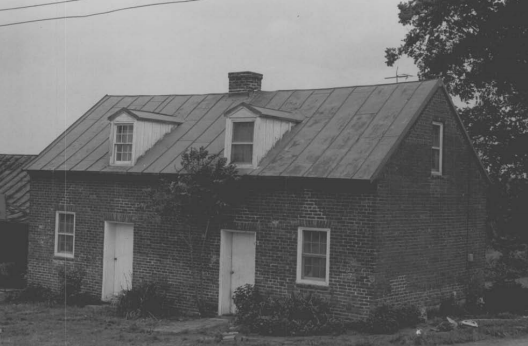
In regards to slavery, we know from historic records that many enslaved persons worked on the Annington plantation through the end of slavery here in Maryland in 1864. The presence of a restored enslaved quarters on the property provides a tangible record of this past, but we also have a verbal account taken from Phillip Johnson in the 1930s (https://historicagreserve.wordpress.com/a-survey-of-our-inheritance/the-enslaver-and-the-enslaved-the-crossed-paths-of-dr-stephen-newton-chiswell-white-and-phillip-johnson/). Phillip was born into slavery at Annington and had interesting anecdotes from his life experience on these lands that is worth reviewing.
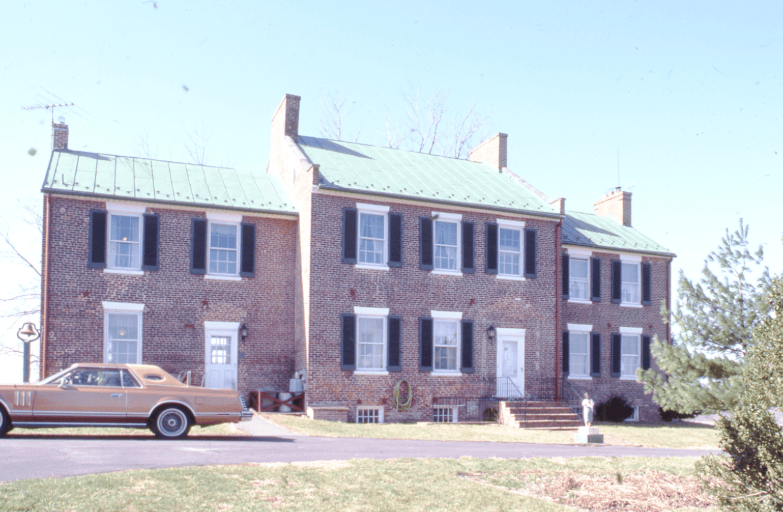
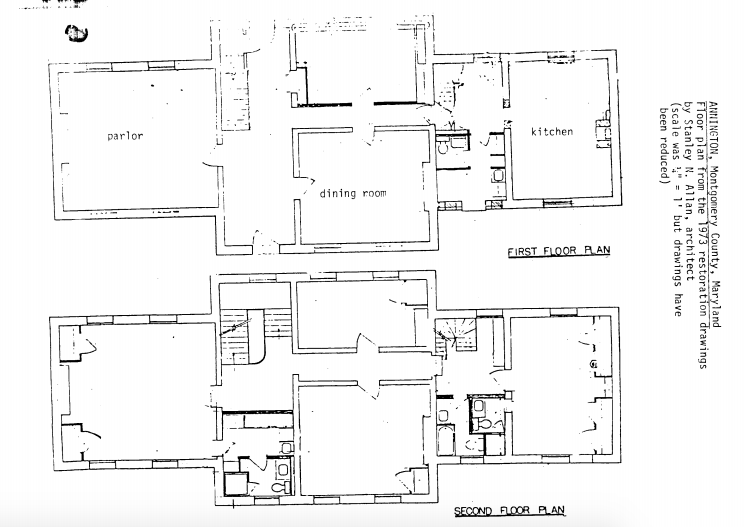
Following the war, Annington passed through the hands of a few different owners with a few renovation efforts along the way – the most notable of which taking place in the 1970s when the home was owned by the Caywood Family. Today this grand home is owned by someone outside of Maryland and sits empty. There is some evidence that restoration efforts are ongoing in the home’s interior, but it’s unclear what plans are in place for the home’s future.

