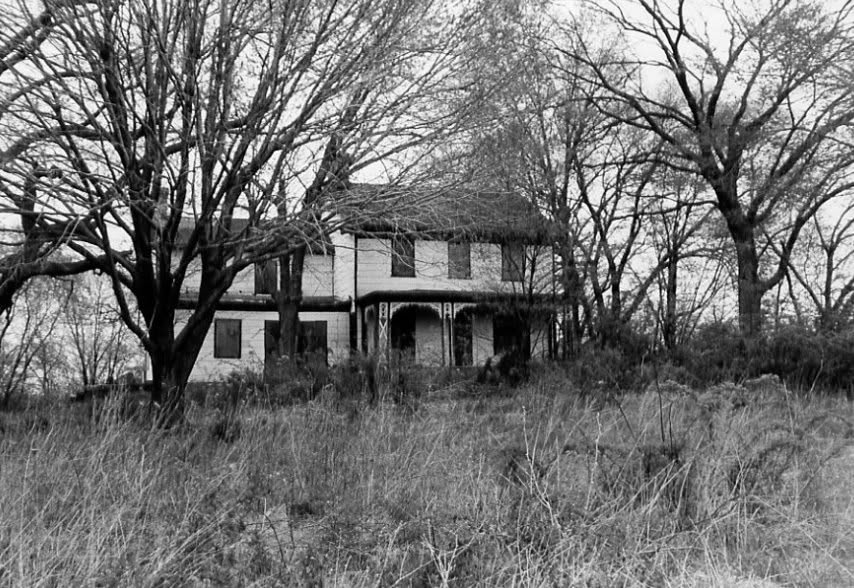
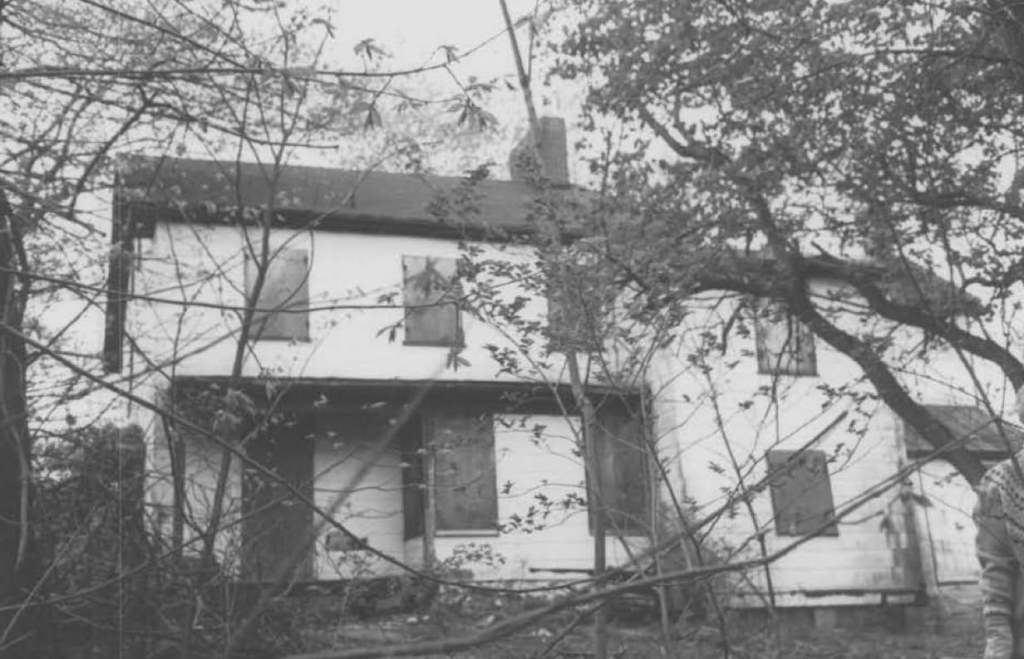
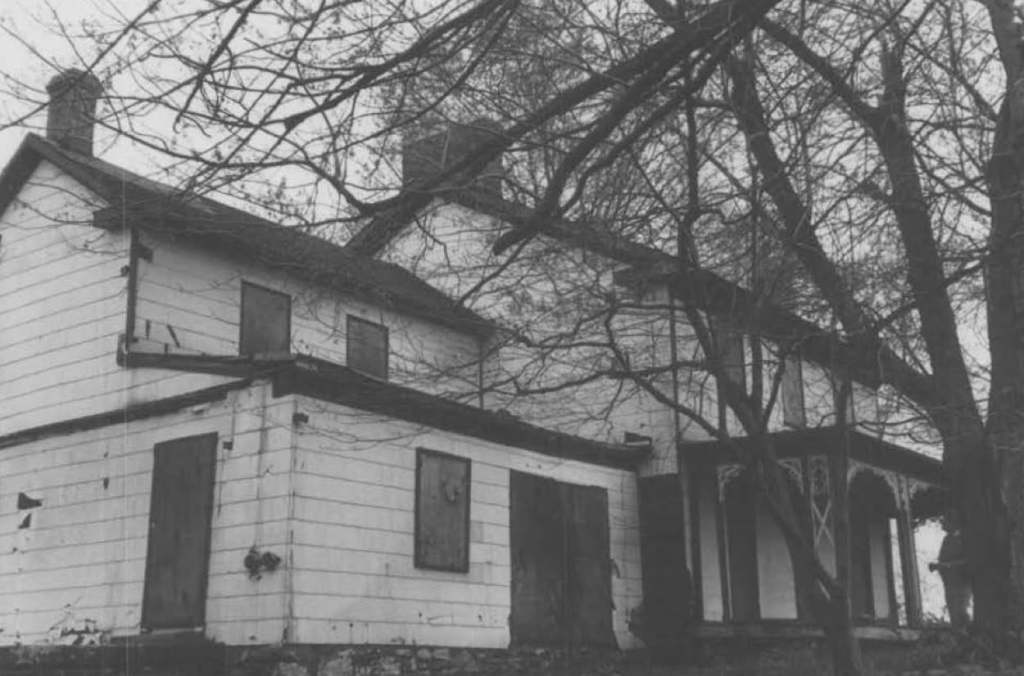
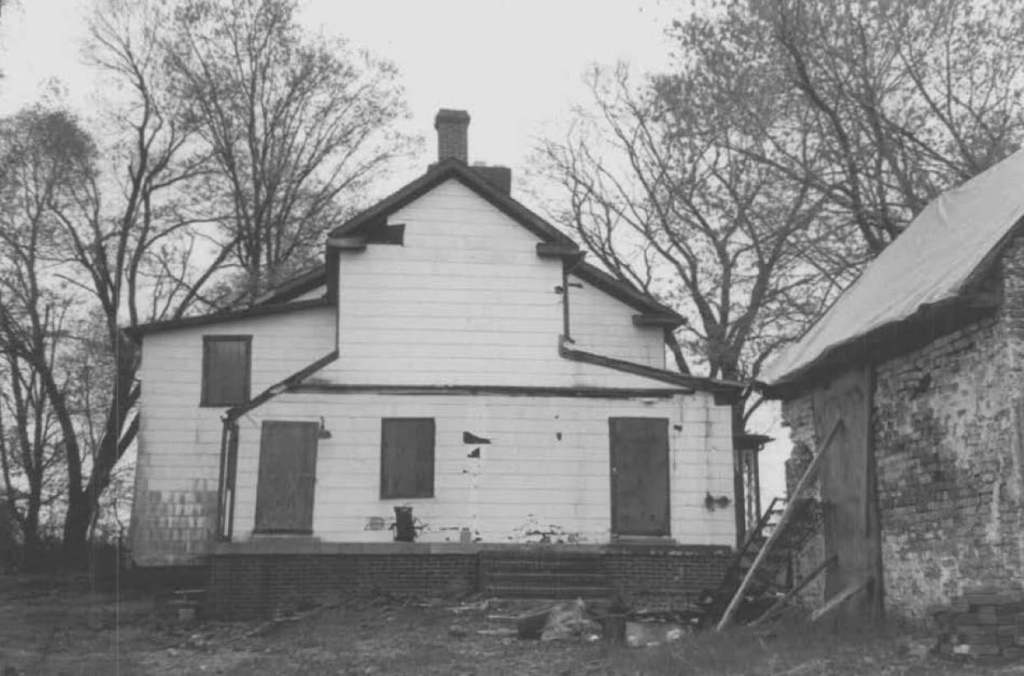
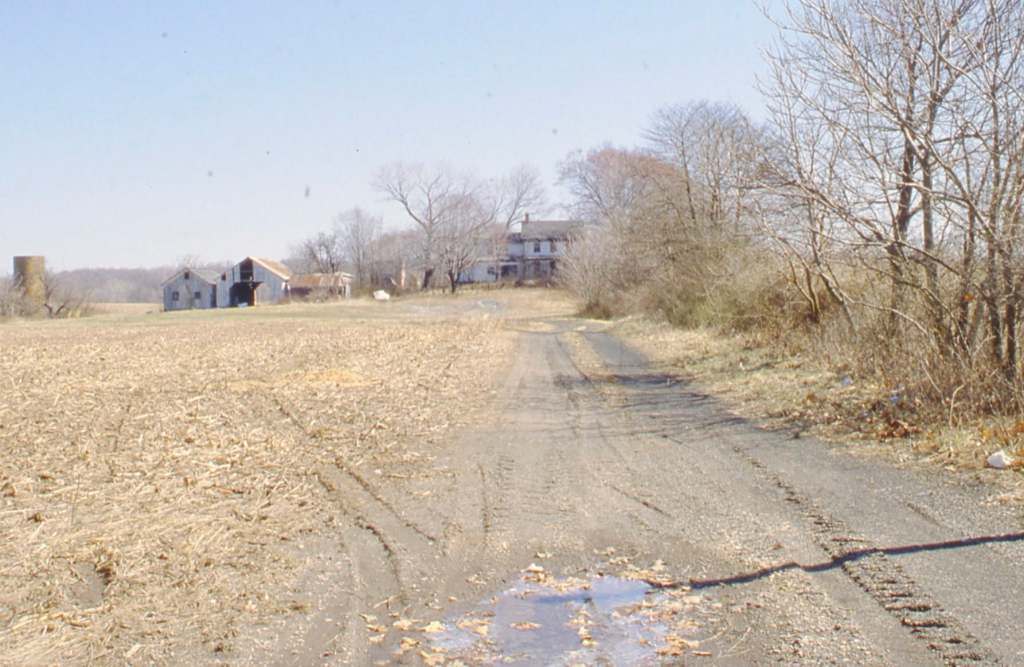
Dowden’s Luck was located just north of Poolesville as you head towards Beallsville.
The history of this plantation centers on two neighboring families—the Chiswells and the Pooles—who each passed the property from father to son as a way to establish the next generation.
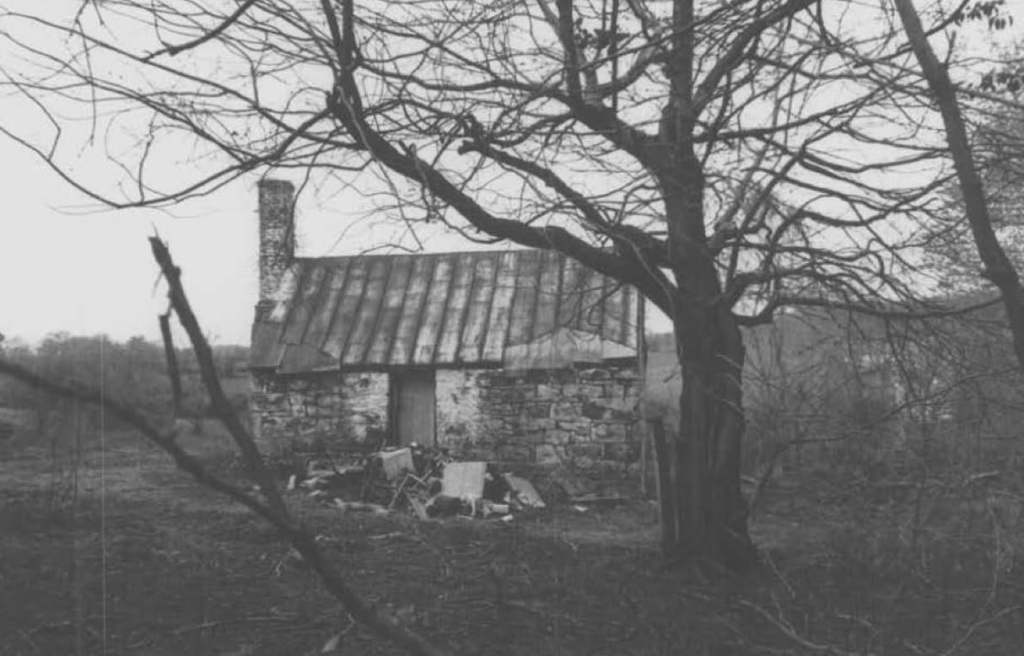
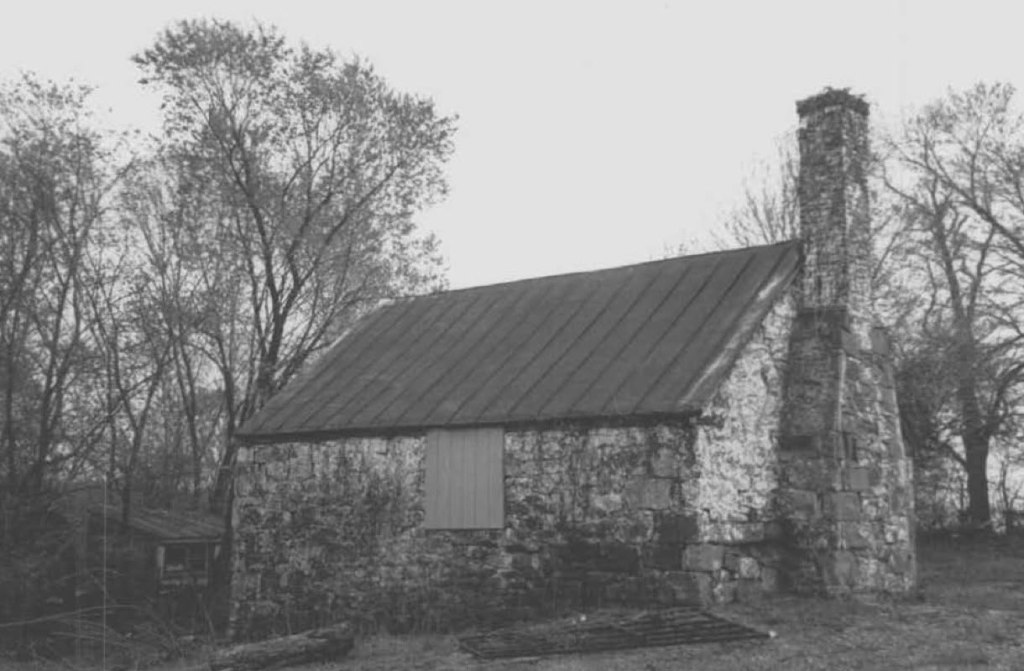
The land was first developed by the Chiswell family, descendants of early Montgomery County settlers. In 1824, John Augustus Chiswell received a large, consolidated tract of about 372 acres from his father as a marriage gift. He and his wife Eleanor built the main house and a full set of working farm buildings, including a stone slave quarter, reflecting the plantation’s reliance on enslaved labor. By the time of his early death in 1840, the farm was well established.
After a period managed by his widow and children, the estate was divided, and in 1855 a portion containing the house and core buildings was sold to William Dennis Poole, marking the transition to a second local family.
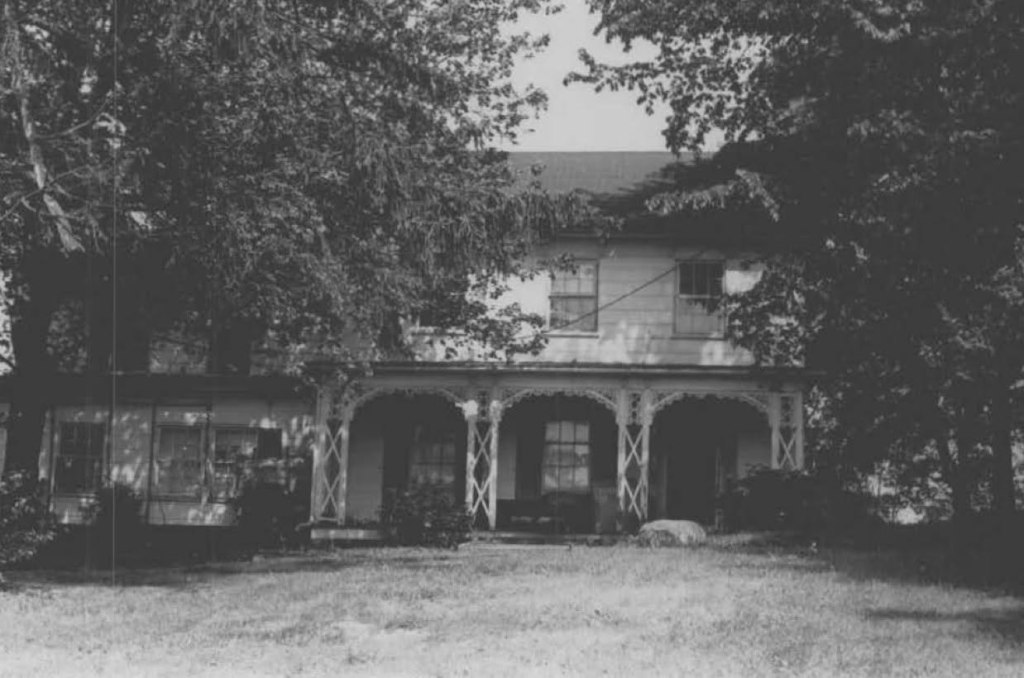
In 1860, the farm was again passed from father to son—this time to William Wallace Poole, who renamed the property “Ellerslie.” While keeping most of the agricultural buildings intact, Poole updated the house in the popular Victorian-era style, adding decorative trim and formal terraced gardens. He became a prominent local figure, active in civic and church life.
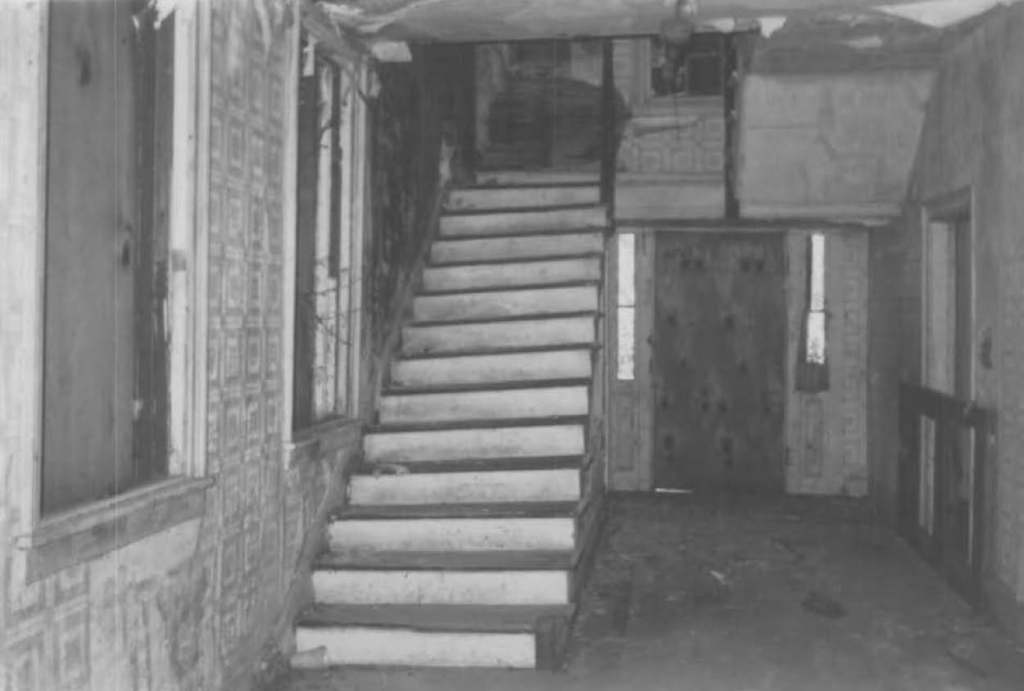
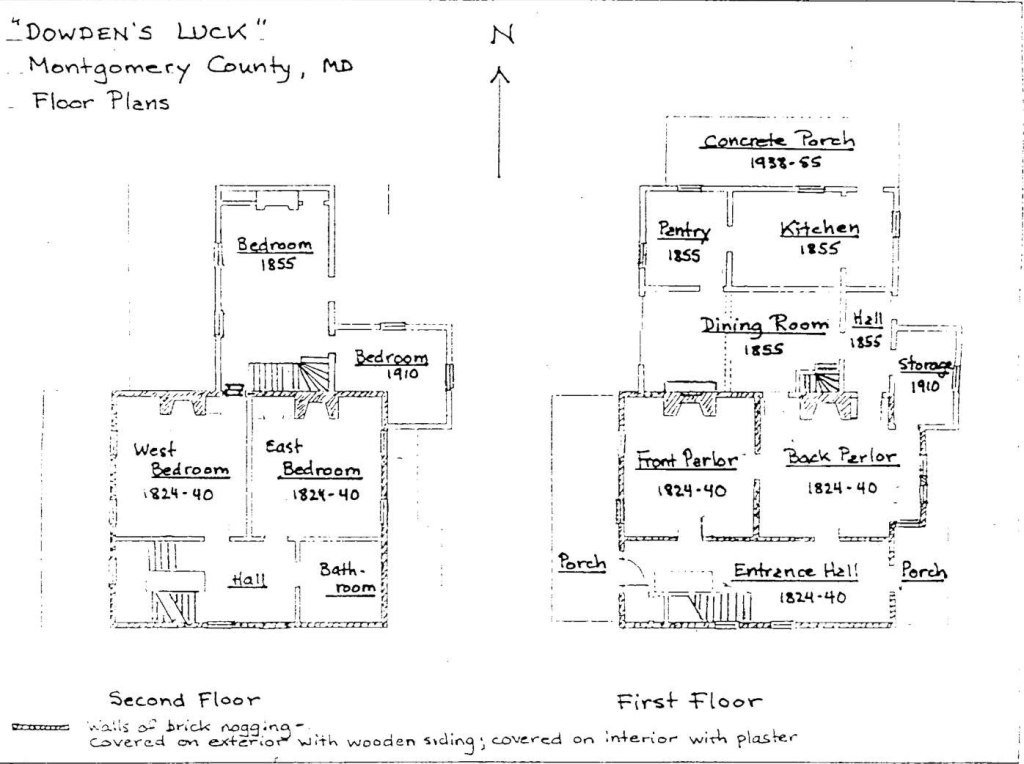
The main house, built between 1824 and 1840, reflected that evolution. It began in the refined Federal style, then expanded with Italianate and Gothic Revival details—a visible sign of changing tastes and increasing prosperity.
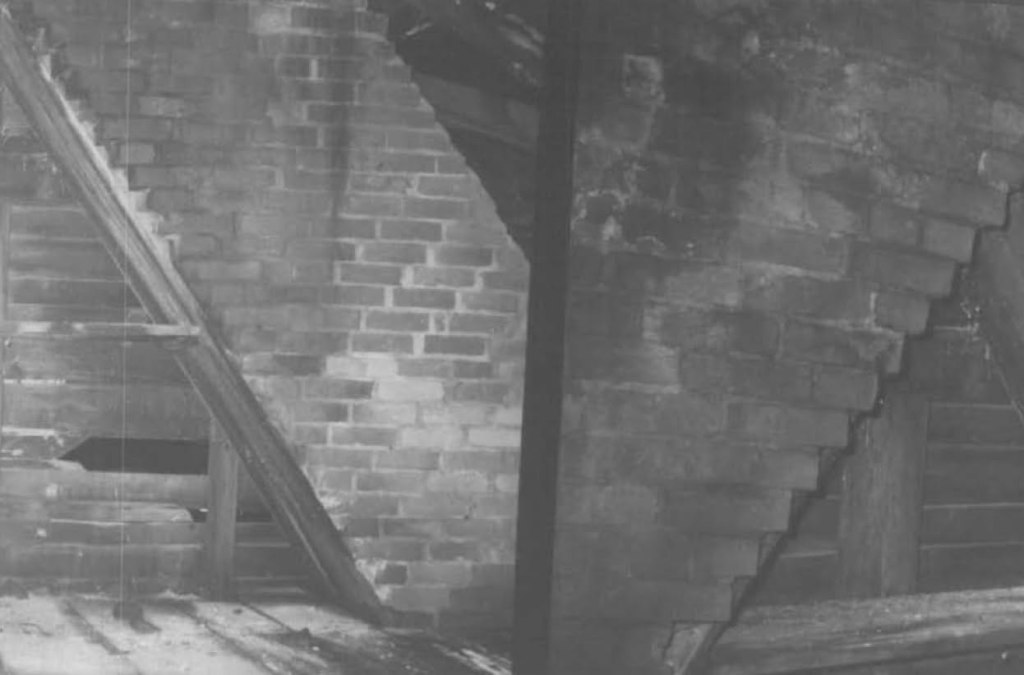
The property remained in the Poole family until 1938, after which it declined, eventually becoming vacant and suffering damage. Unfortunately it was torn down in the late 1980s/early 1990s following years of neglect.
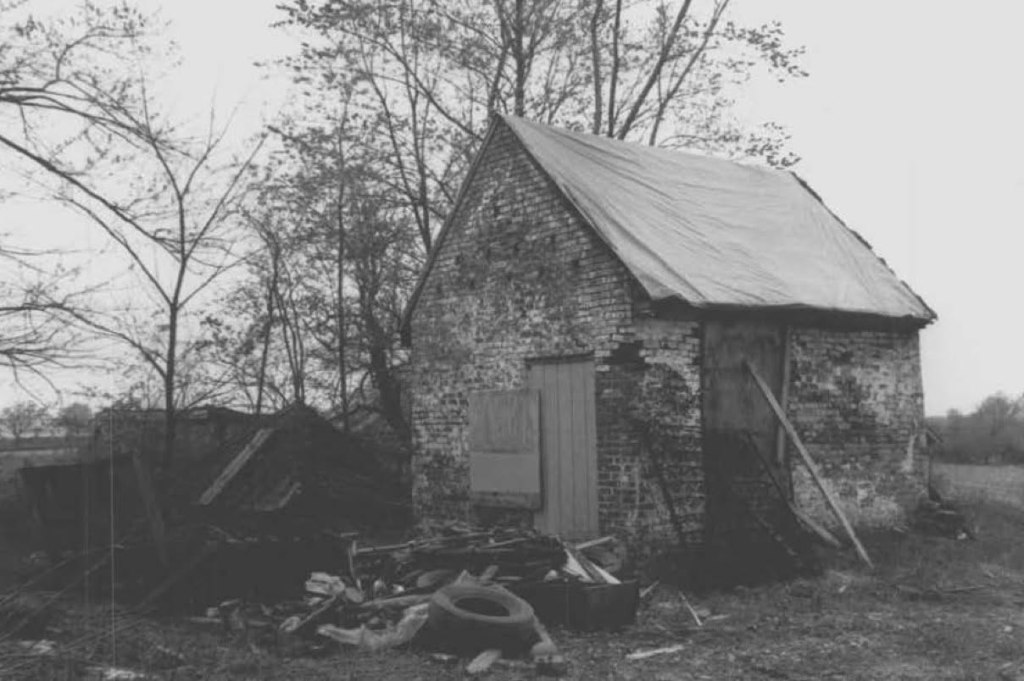
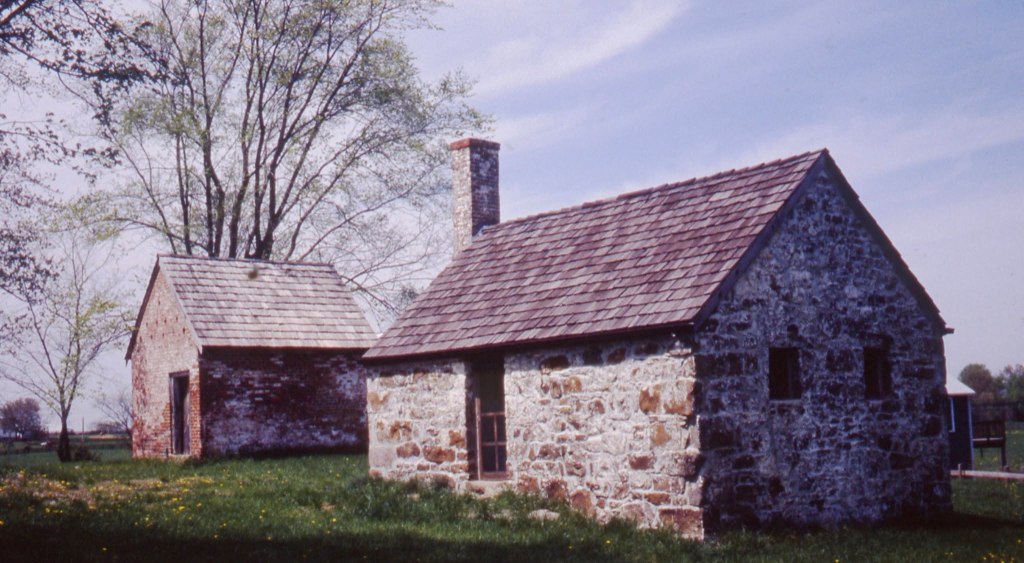
Today, the property still includes a stone enslaved quarter, along with a smokehouse and other outbuildings dating from roughly 1824–1850 (you can see them from the road up on the hill, just outside of town). These structures are a stark reminder that this familiar rural landscape was shaped by enslaved labor, even here in what we now think of as the Agricultural Reserve.

