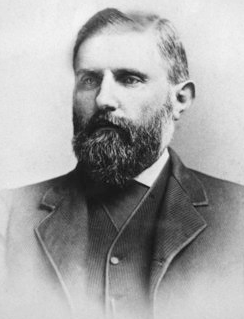
Edward Wootton was born near Rockville in 1839. He graduated third in his class from Georgetown University in 1858 and received his medical degree from the University of Maryland in Baltimore 1861. It was an interesting time to become a doctor as it coincided with the start of the Civil War.
As early as June 1863, Dr. Wootton began serving as a surgeon in the Confederate Army. Serving largely with Col. Elijah White’s 35th VA Cavalry, a unit composed of many boys from Poolesville, Dr. Wootton attended to wounded soldiers until February 1865 when he was captured somewhere in Loudoun County. He spent the remainder of the war as a POW.
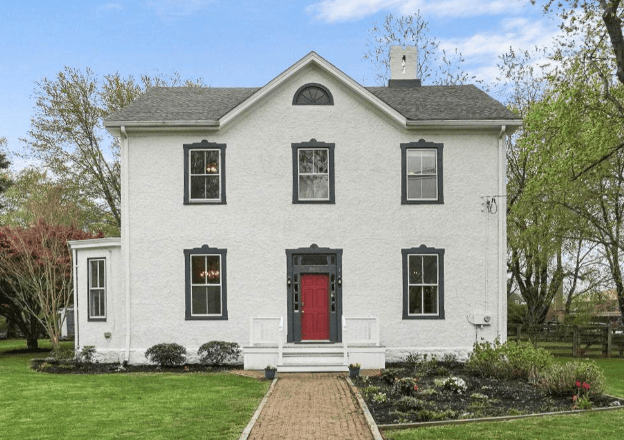
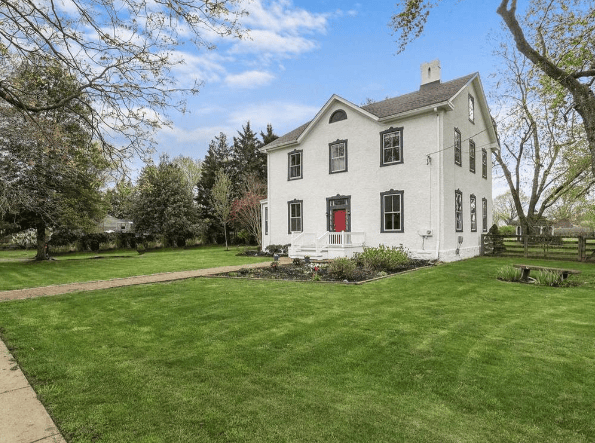
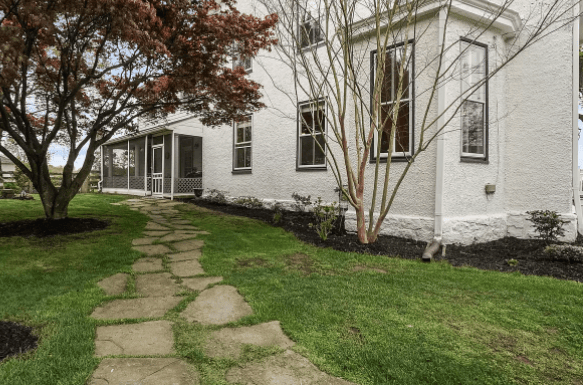
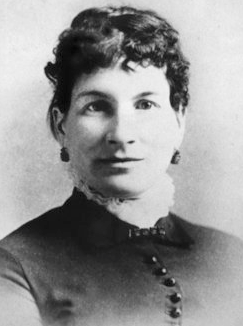
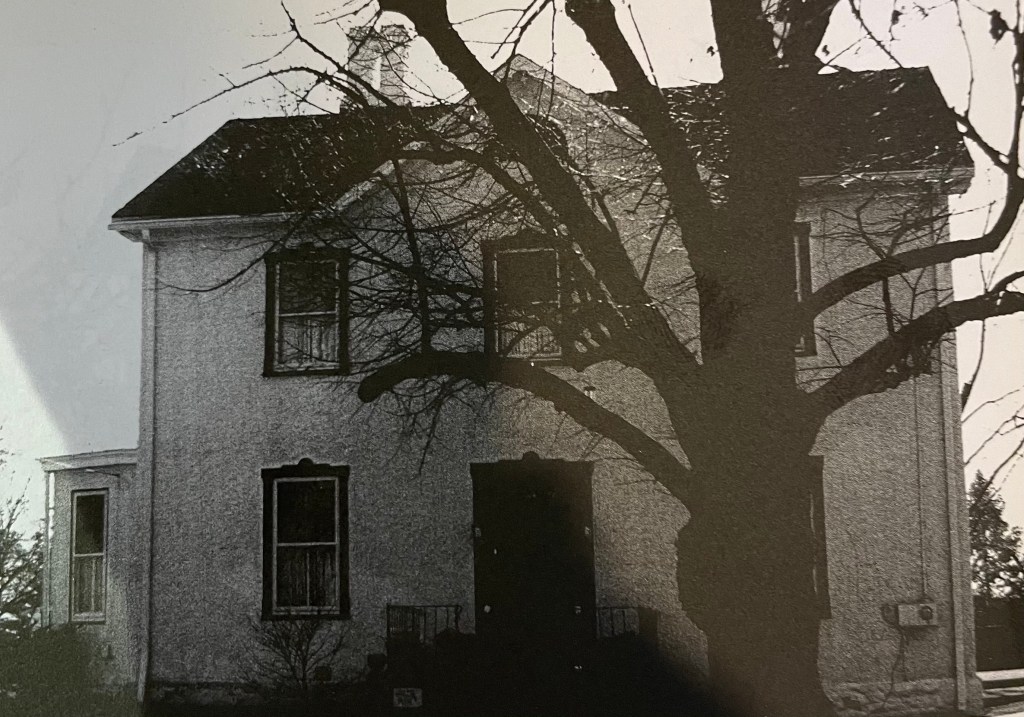
In 1866, a year after the war was done, Dr. Wootton was married to his wife Elizabeth and together they had this large home built near the center of Poolesville in 1868. Throughout the rest of the 1800s he practiced medicine as a family physician here in Poolesville. Dr. Wootton was clearly a busy man – in addition to his medical practice he went into business with his old commander – Elijah White – owning a warehouse near Edward’s Ferry where goods were shipped down the canal. In addition, Dr. Wootton got involved in politics in the late 1880s, serving in both the Maryland House and Senate as an elected representative. In addition to all of these pursuits, Dr. Wootton and his wife Elizabeth had 12 children, but sadly five of these children died before the age of 5.
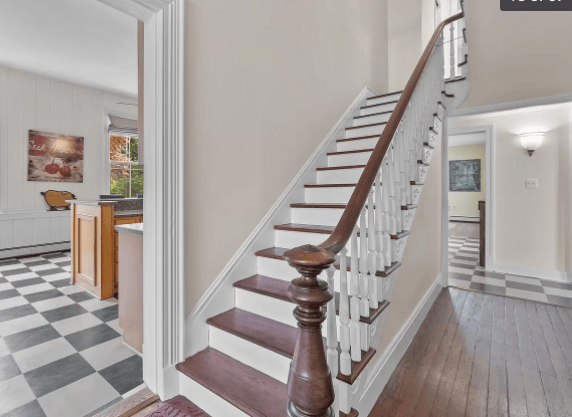
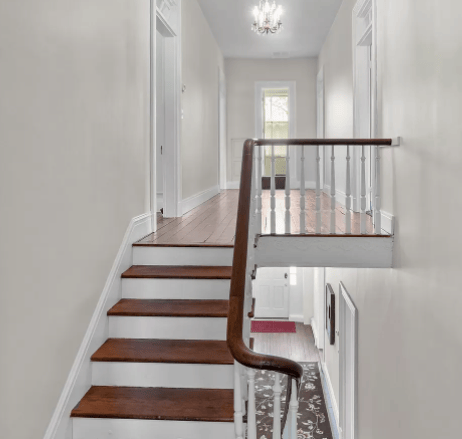
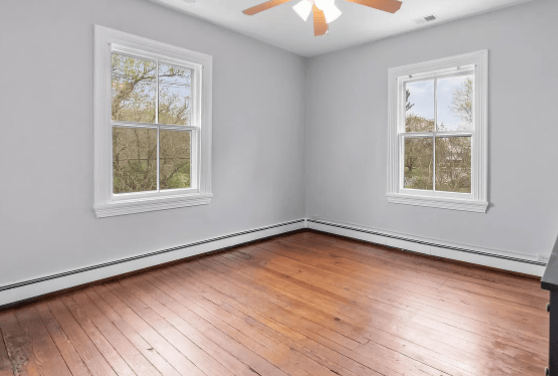
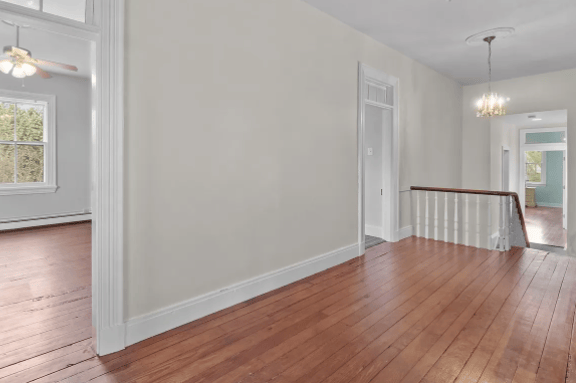
Dr. Wootton lived in this home until his death in 1910 and Elizabeth remained in the home for some time after his death, living until 1932. The layout of the home is similar to homes built throughout the Ag Reserve in the mid-1800s. However, the dimensions of the home are larger than average. Although much of the home has been refurbished, some interesting original (or near original) details remain. Notable, the stairway banister, balustrades, and decorative detail on the side of each step is identical to others seen in the Ag Reserve – most notably, the Evans Home (built in 1880) which is just a few blocks away. The home is an important historical property, both for its architecture and because the presence of the Wootton Family who built and lived in the home for many years (and for whom the street where the home sits is named for).

