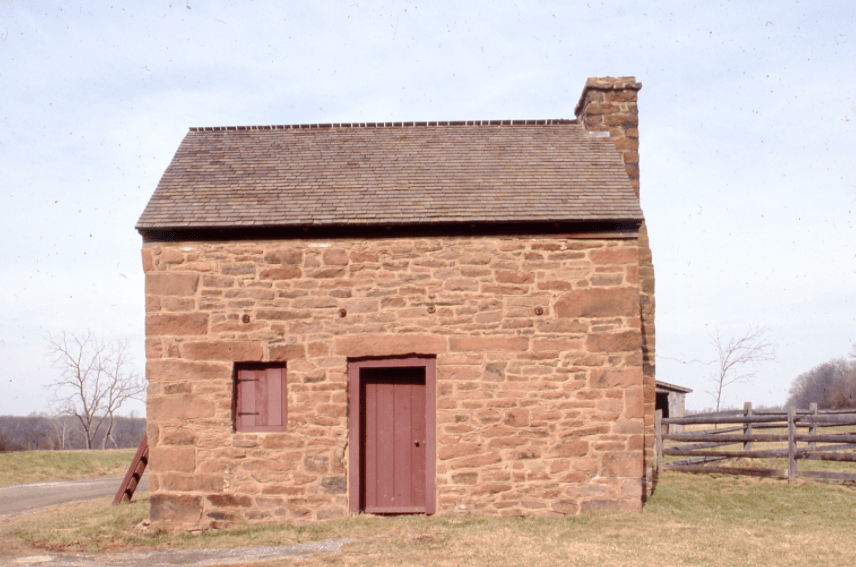
Darnall Place 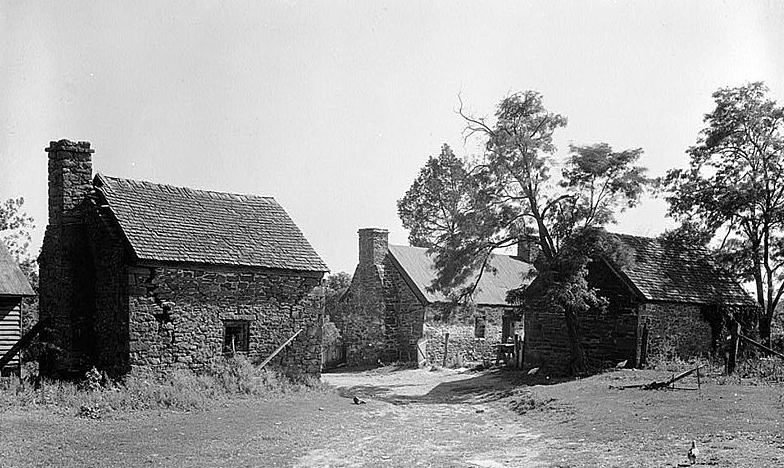
Darnell Place 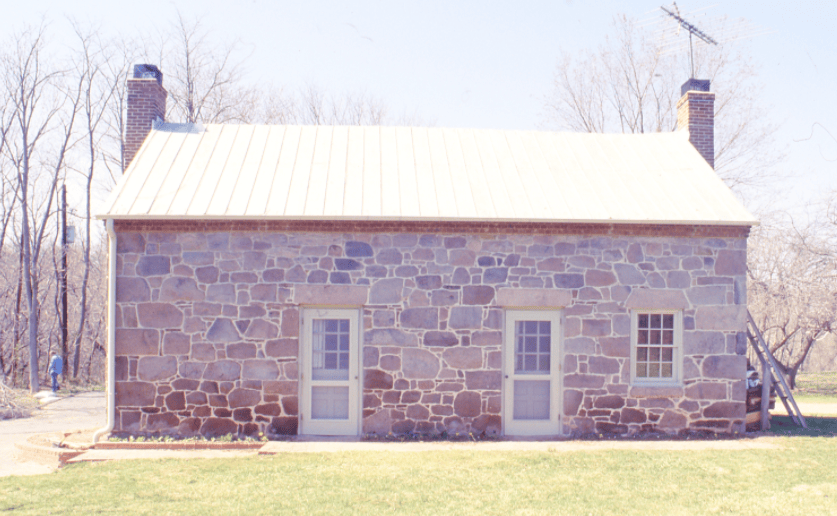
Mt. Carmel 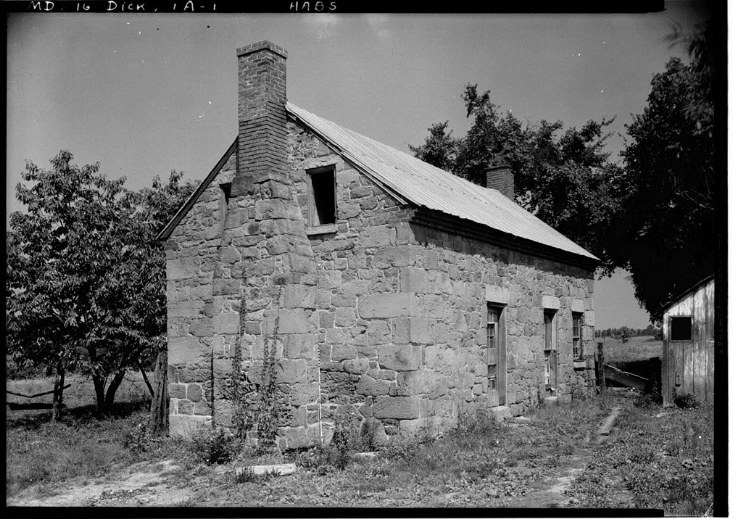
Mt. Carmel 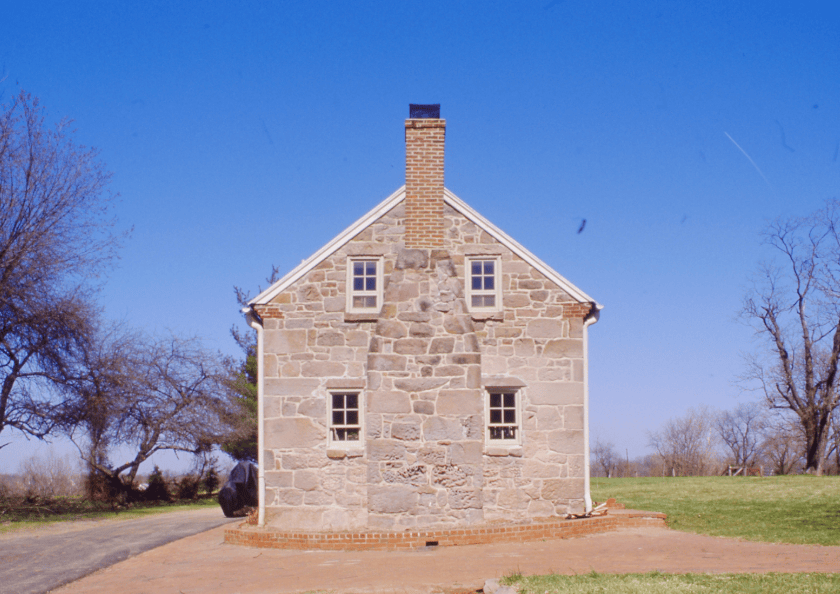
Mt. Carmel 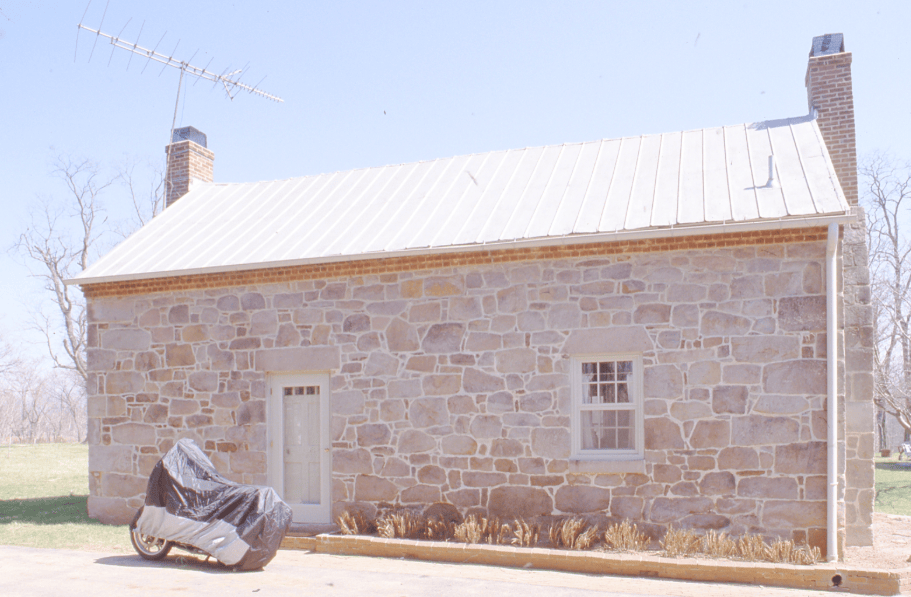
Mt. Carmel 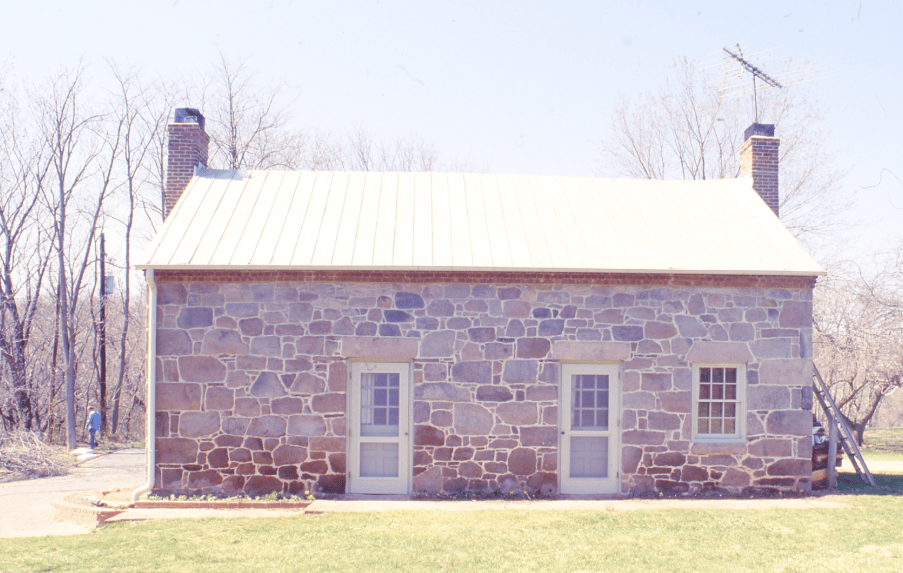
Mt. Carmel 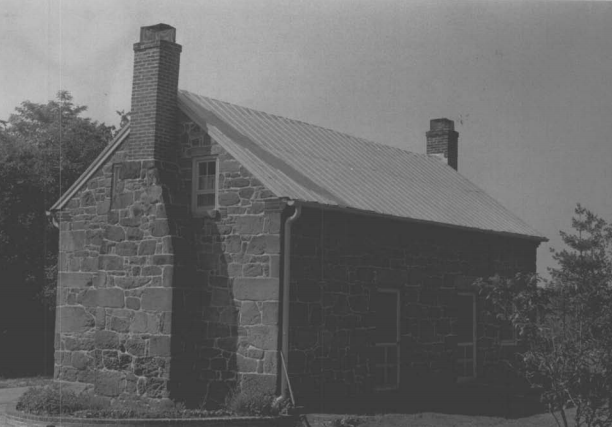
Mt. Carmel 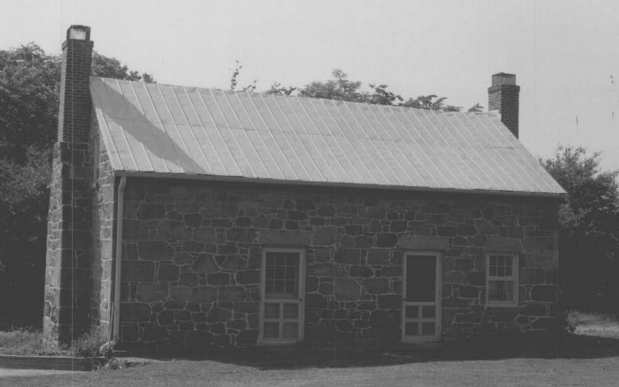
Mt. Carmel 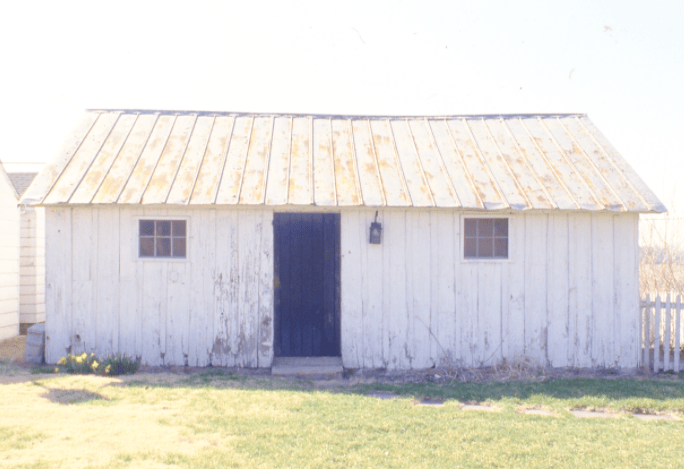
Inverness 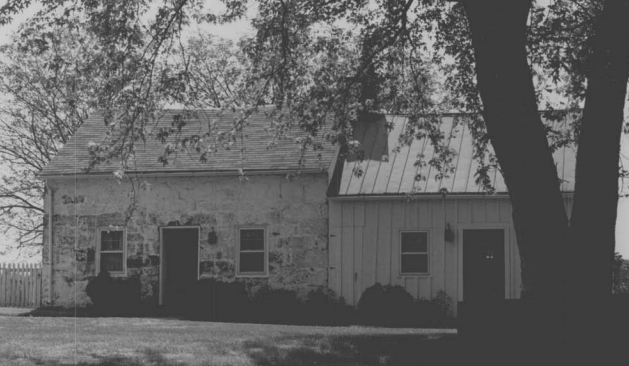
Inverness 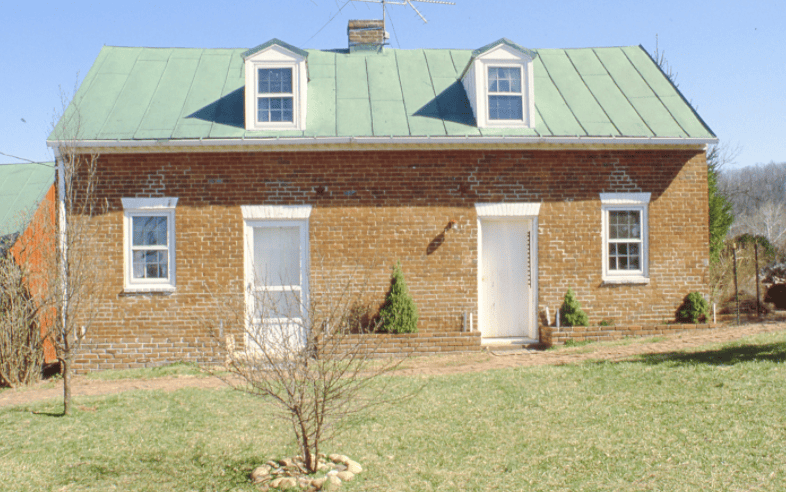
Annington 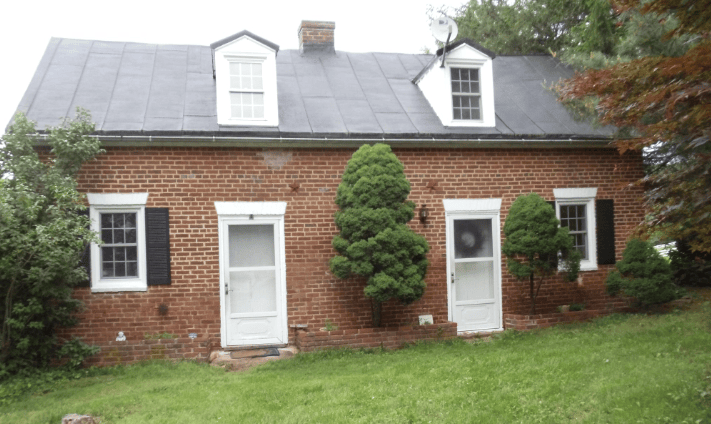
Annington 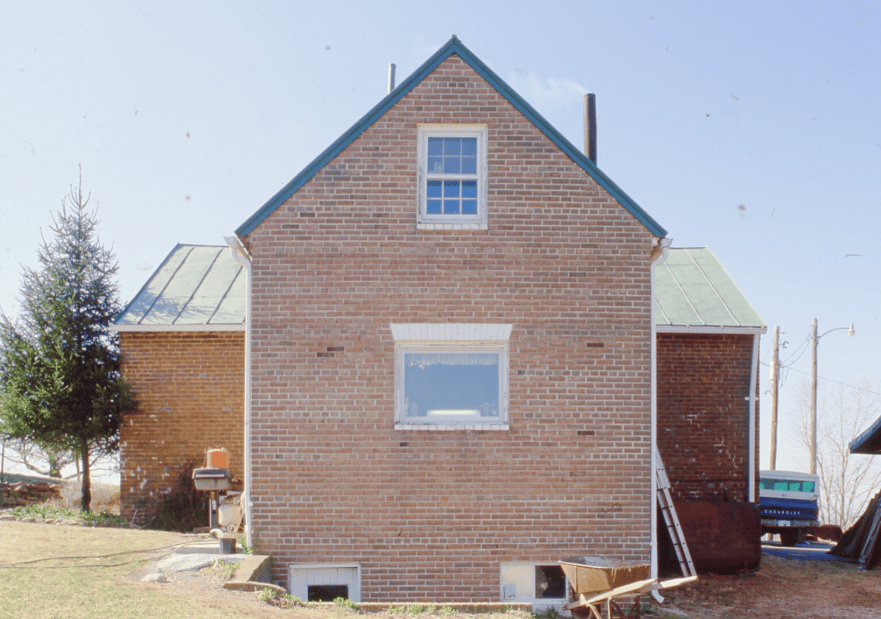
Annington 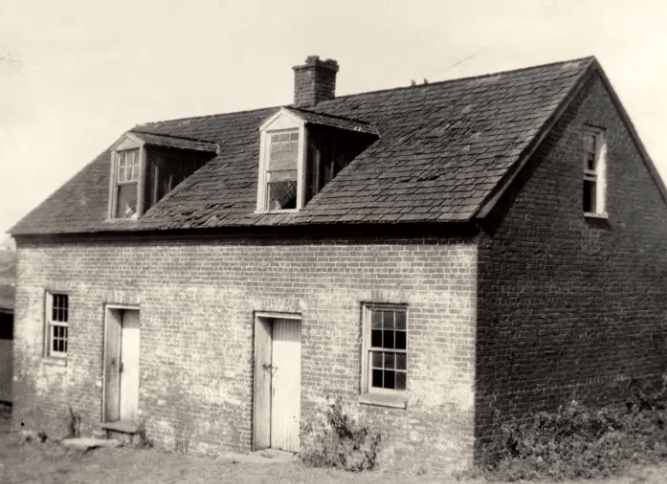
Annington 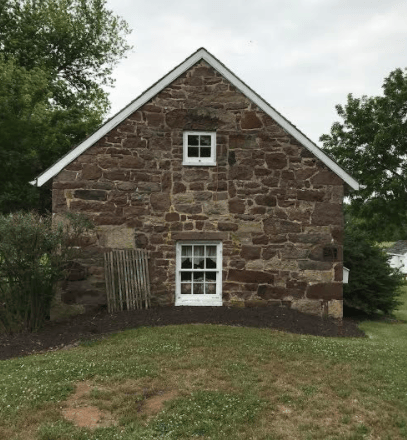
East Oaks 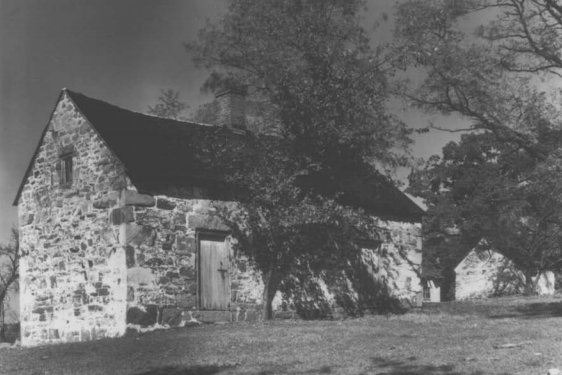
East Oaks 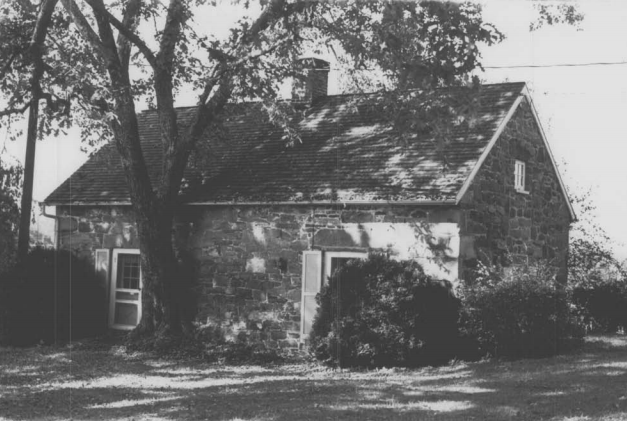
East Oaks 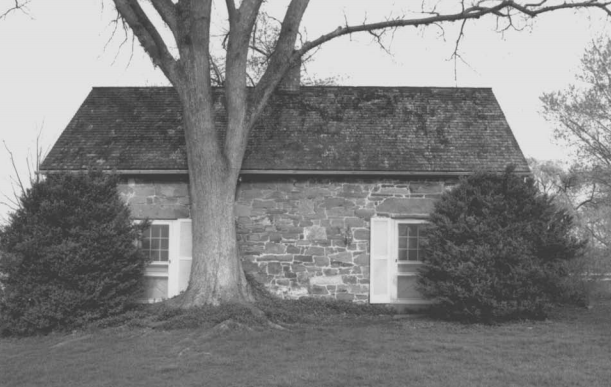
East Oaks 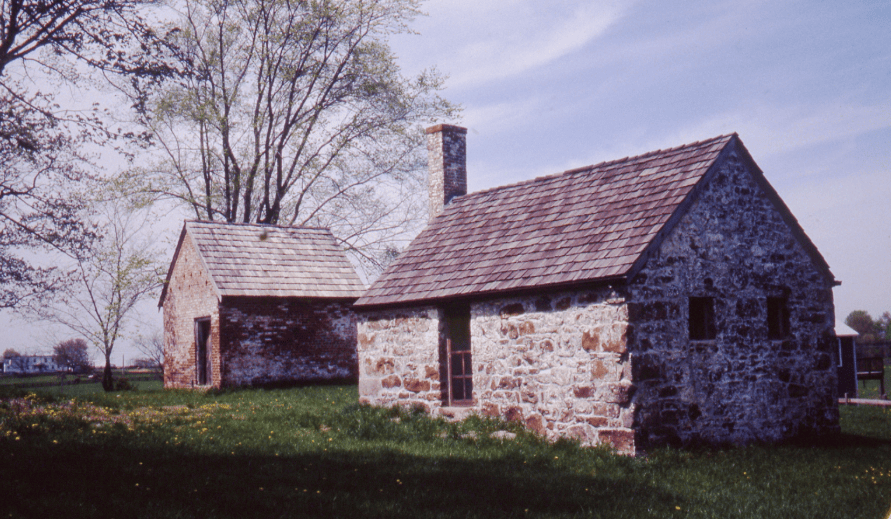
Dowden’s Luck 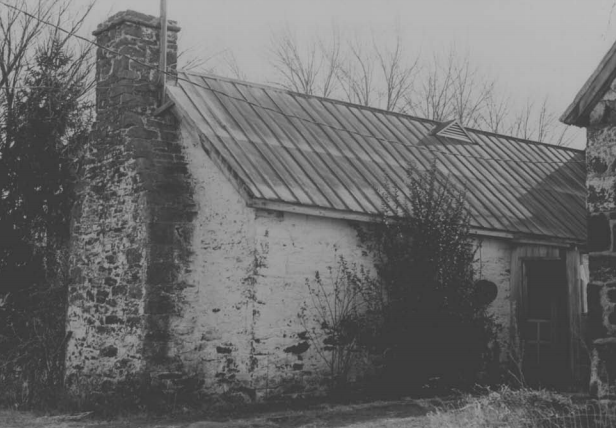
Dowden’s Luck 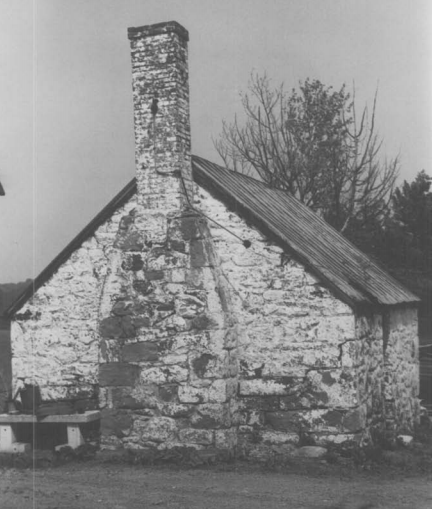
Dowden’s Luck 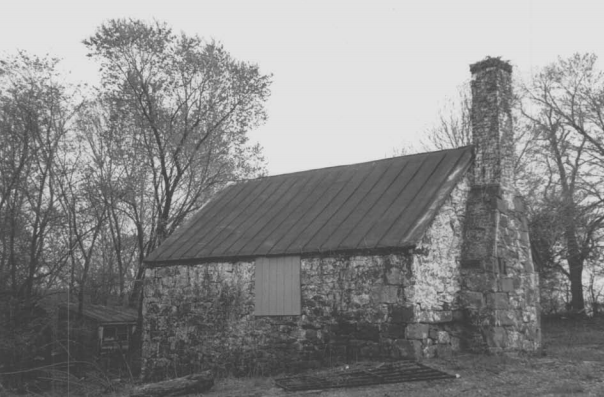
Dowden’s Luck 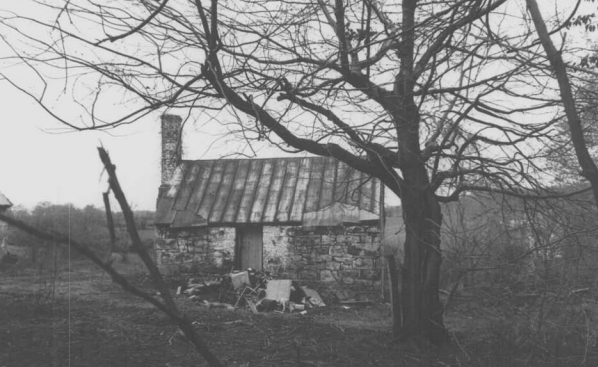
Dowden’s Luck 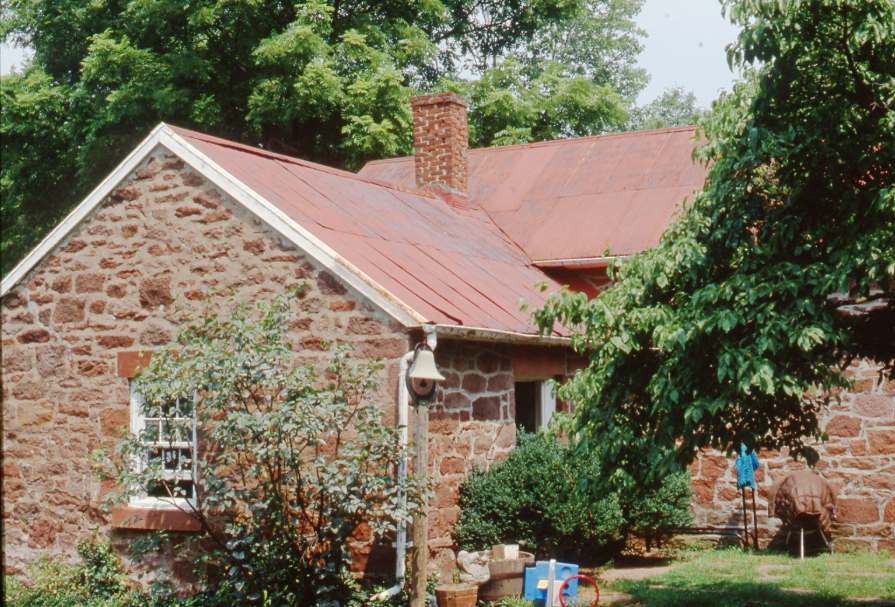
Riverview 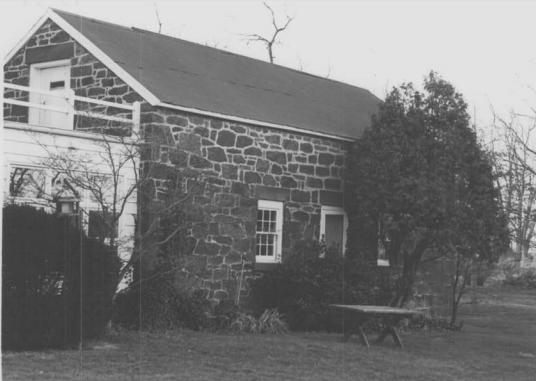
Riverview 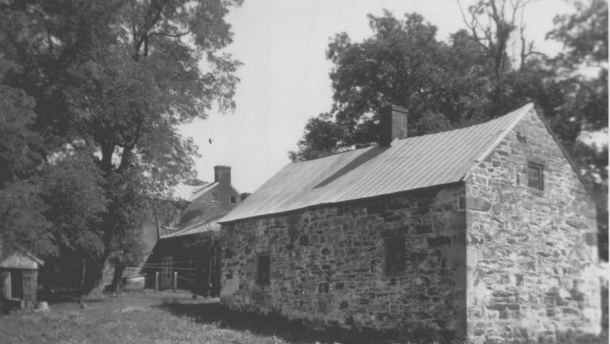
Riverview
According to the 1860 census, nearly 30% of Montgomery County’s population consisted of enslaved peoples. 160 years later, the Ag Reserve contains a number of preserved structures where some of these enslaved people lived before emancipation and the establishment of an incredible array of local African American Communities, to include Jerusalem and Sugarland. I’m spending some time thinking about how these structures stand as visual reminders of a dark period from our collective past, markers of how far we’ve come, and symbols of how much work remains in building a culture of true equality.
If you’re interested in learning more about the incredible contributions of African Americans to our Ag Reserve’s history, I strongly encourage you to check out the work being done at the Sugarland Ethnohistory Project and the Warren Historic Site, where there is so much to learn!

