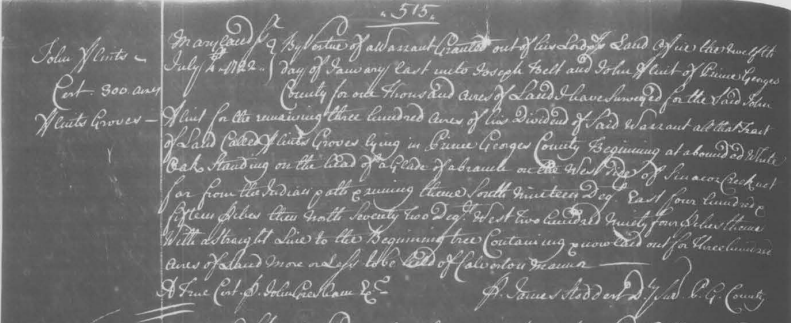
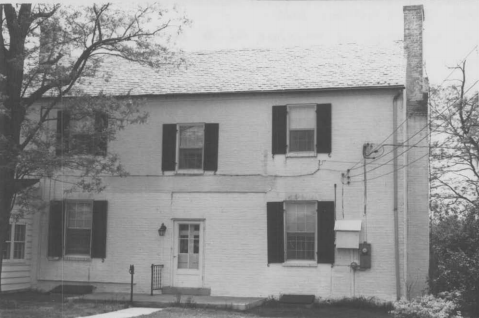
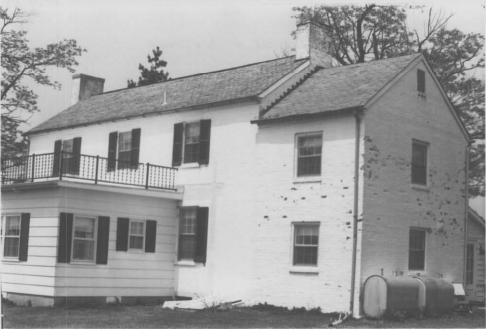
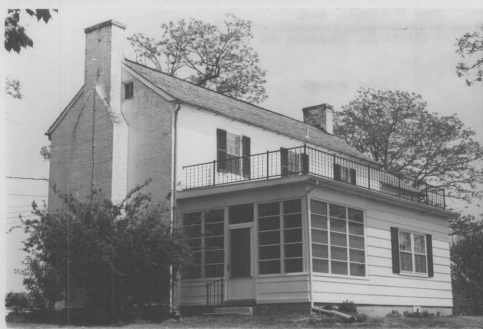
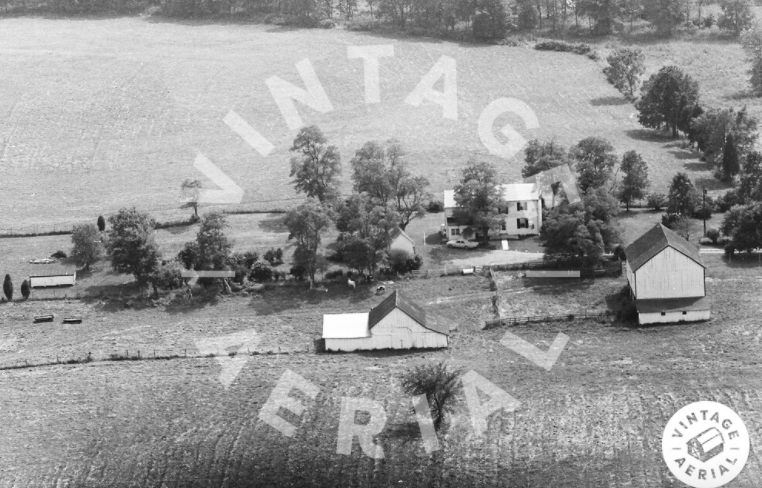
In 1722, John Flint received a patent for 300 acres of land in an area we now know as the outskirts of Poolesville (there was no Poolesville in 1722!). Naming the plot of land “Flint’s Grove,” John sold half of the land to the Fletchall Family in the 1790s. From then through the 1800s, the Fletchall and Chiswell Families owned the land (and the home, which was built around 1825). The Fletchalls and Chiswells were both prominent in the area and there was a good deal of intermarriage between the families – the reason for the property passing back and forth between the two.
We know from census records in the early to mid 1800s many enslaved persons worked the land around the home. These records allow me to see the age, gender, and general health of each enslaved person, but unfortunately not their names.
There is also record of the home’s owner, William A. Chiswell, being arrested by Union forces in 1864 after being accused of aiding a confederate spy operating in the area. Although admitting southern sympathies, William was eventually released from prison after signing a pledge of loyalty to the US Government and promising to testify in a military tribunal against two local men accused of aiding confederate forces.
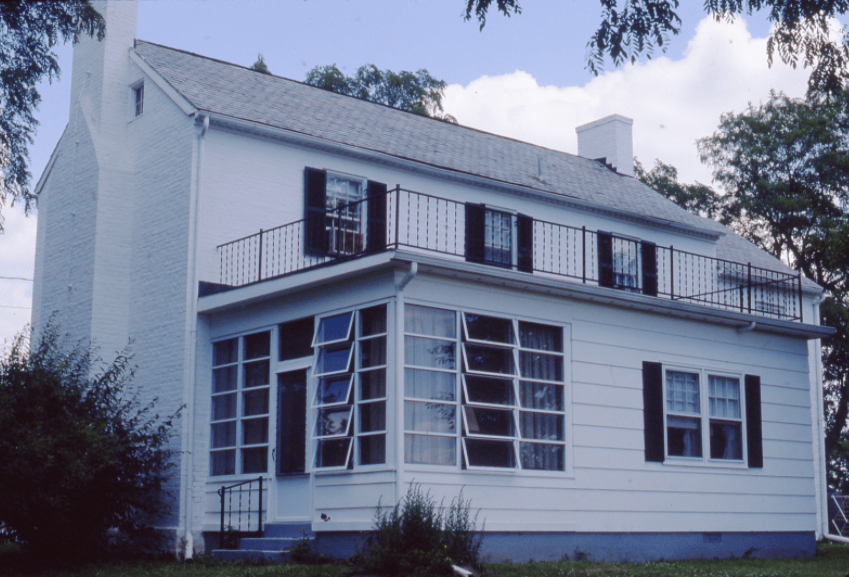
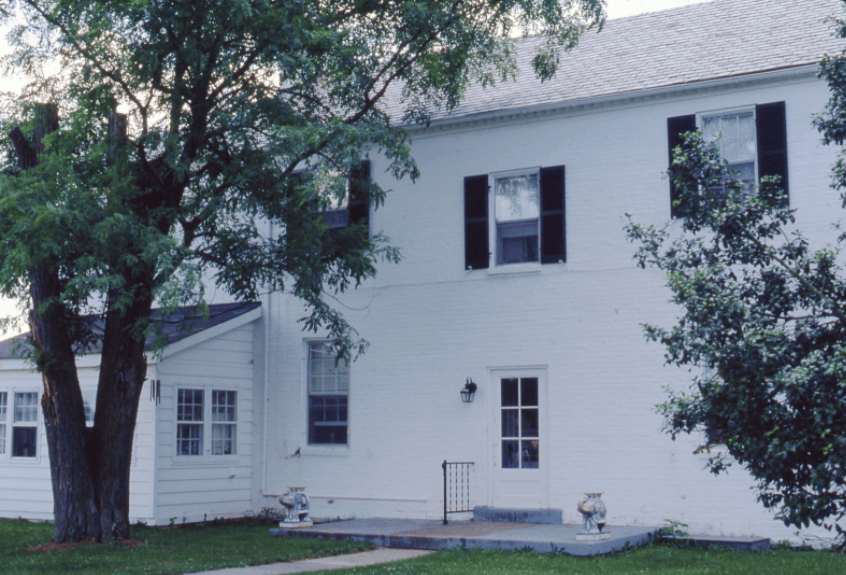
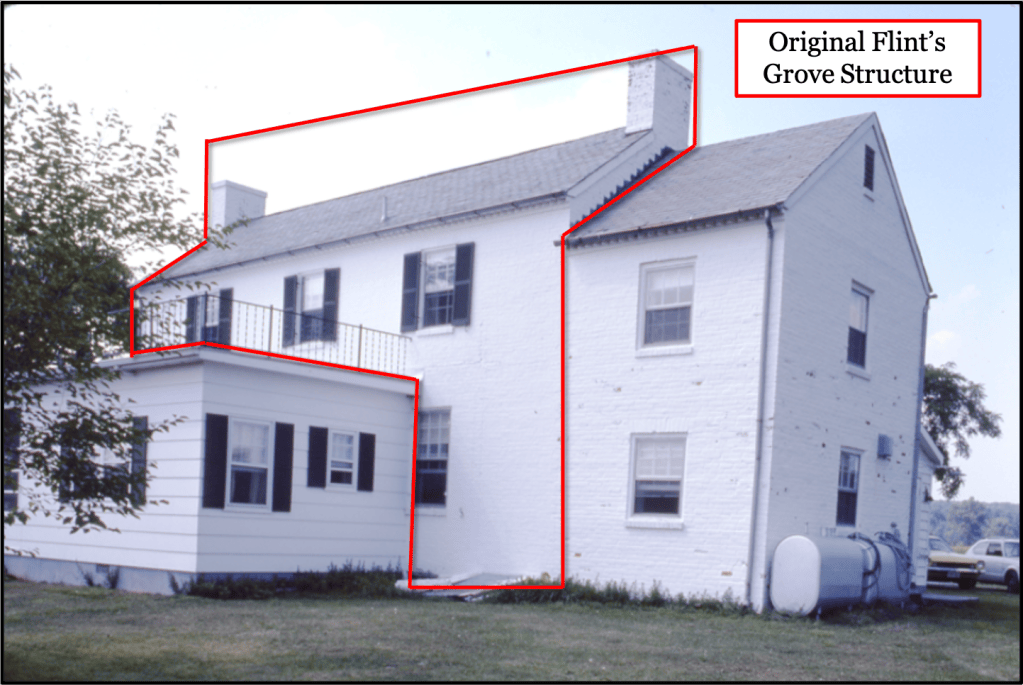
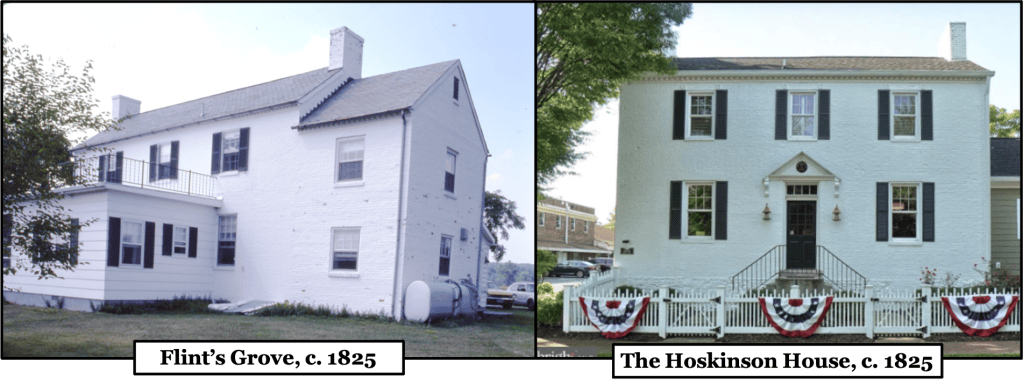
The home, as originally built, reflects the federal style of architecture common to the first quarter of the 1800s. Throughout the 1900s, as new families and needs arose, additions were added to the home – specifically a kitchen wing in the 1940s and a first-floor bedroom in the 1970s. The exterior of the home is nearly identical to the Hoskinson House (next to St. Peter’s Church), and I suspect the interior is also very similar. This is likely not a coincidence, as the Hoskinsons were close with the Fletchalls and Chiswells and both homes were built at almost the exact same time.

