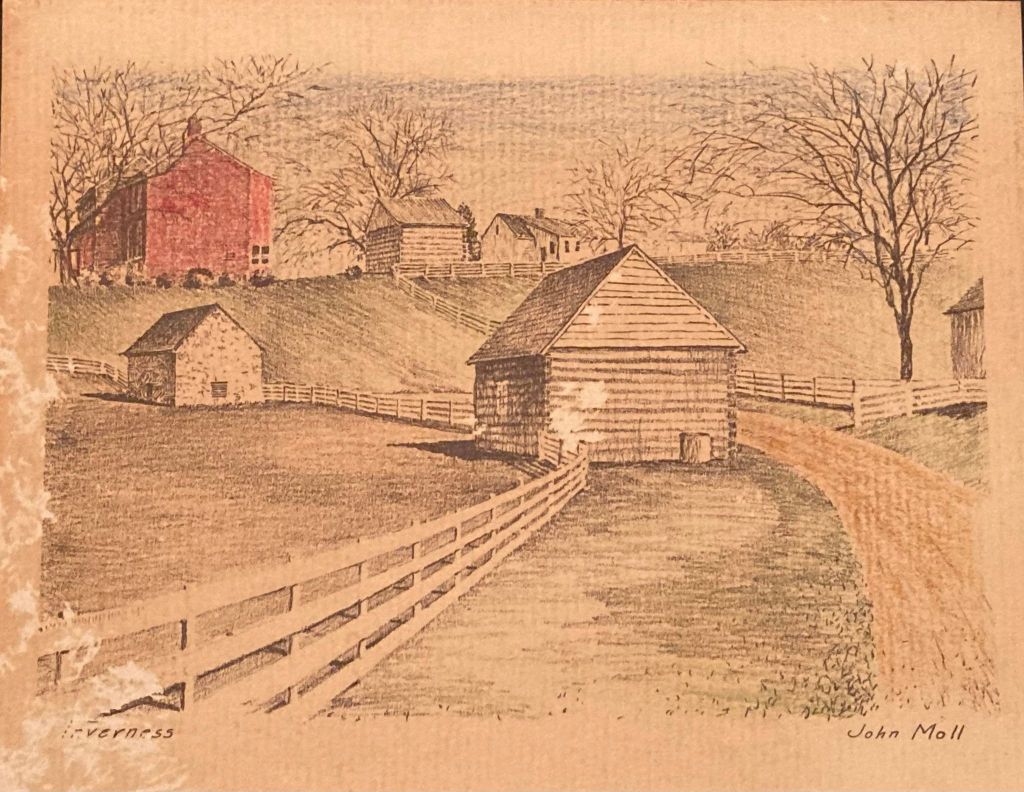
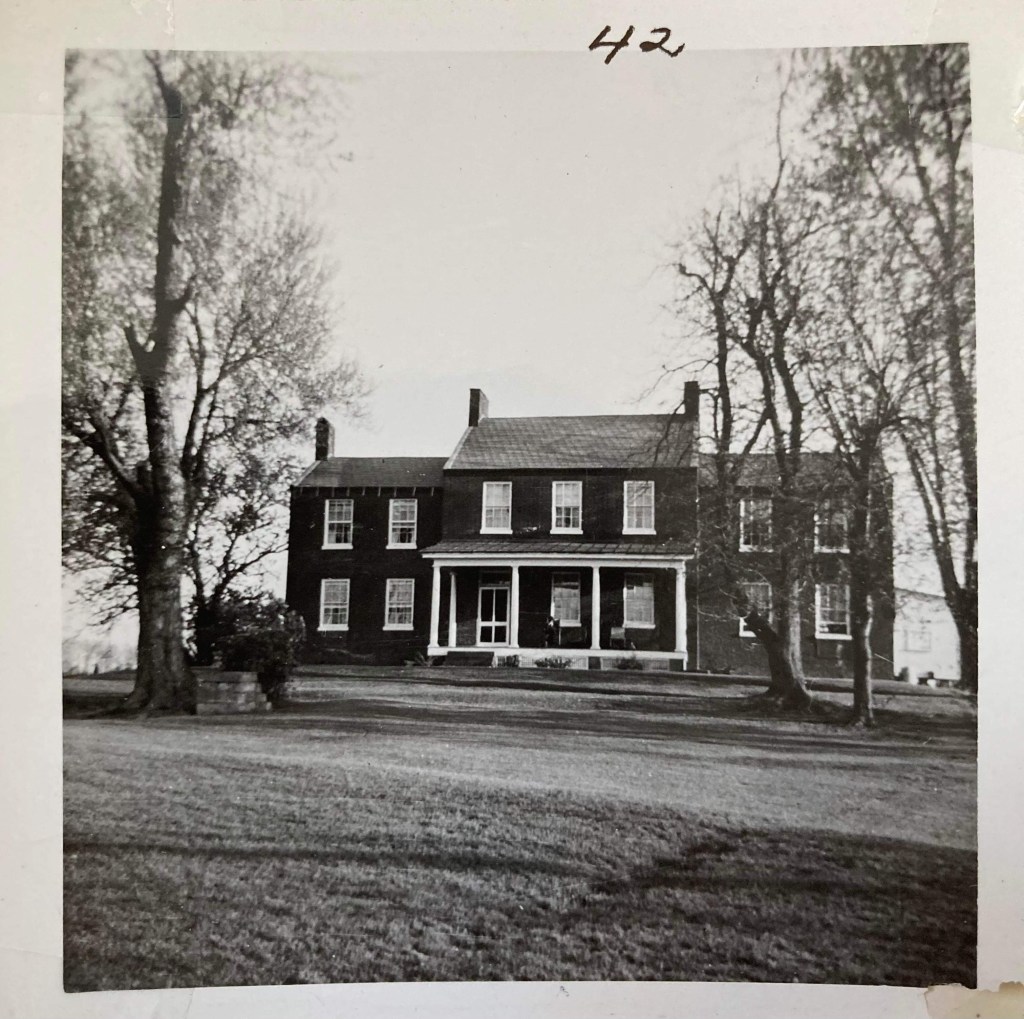
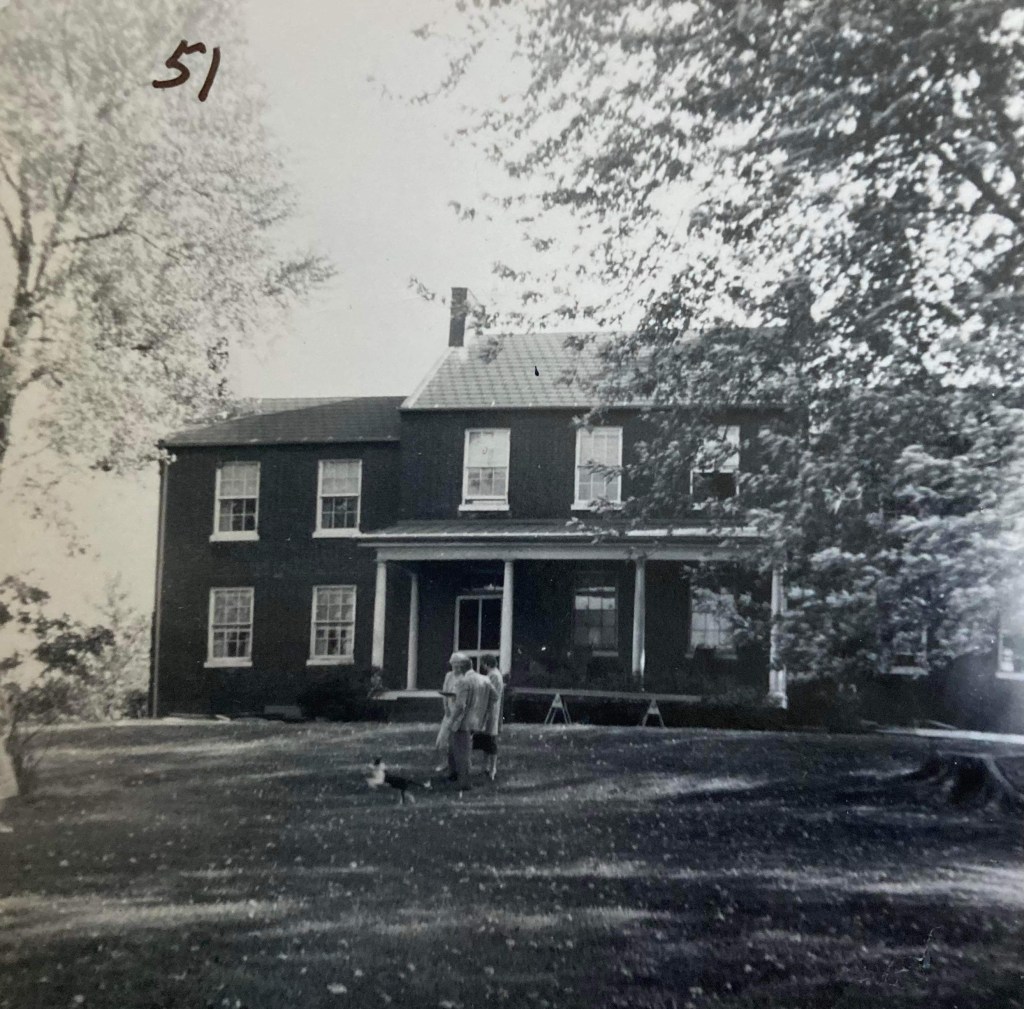
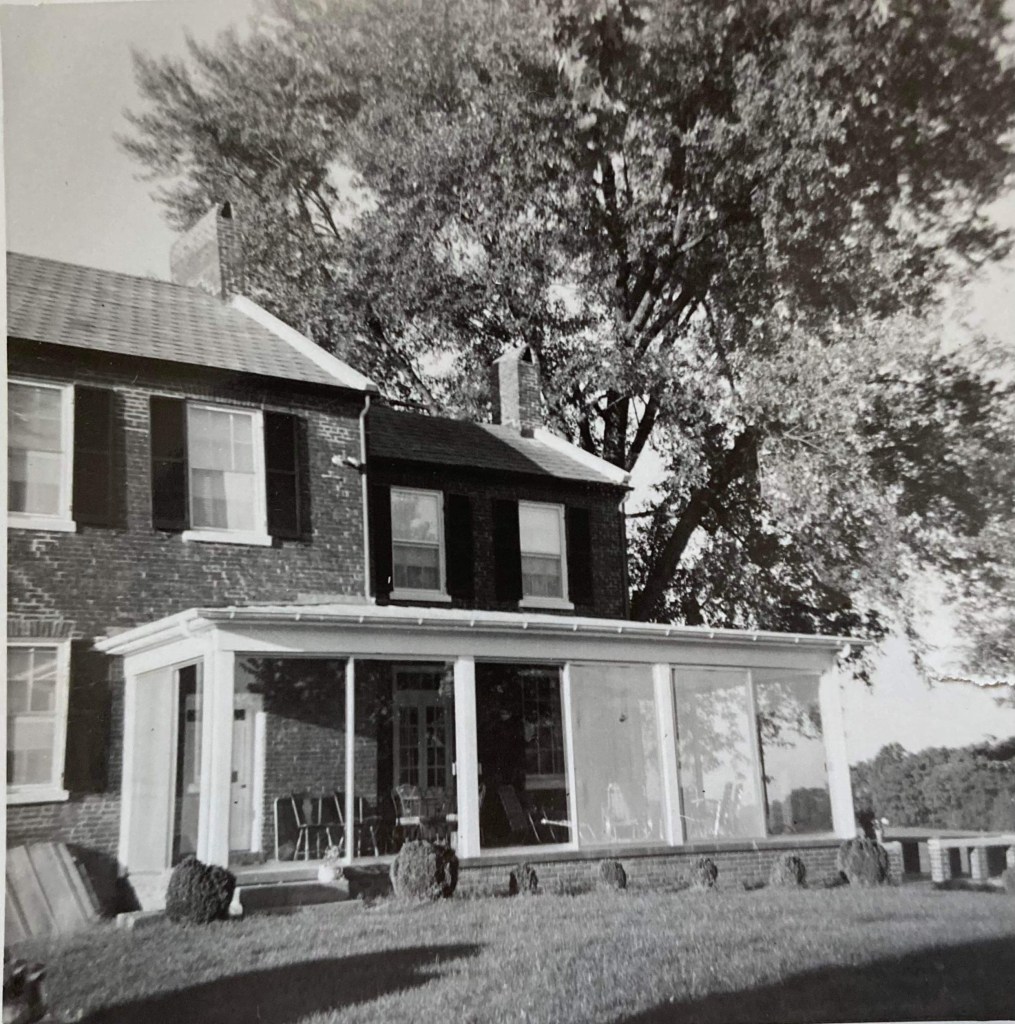
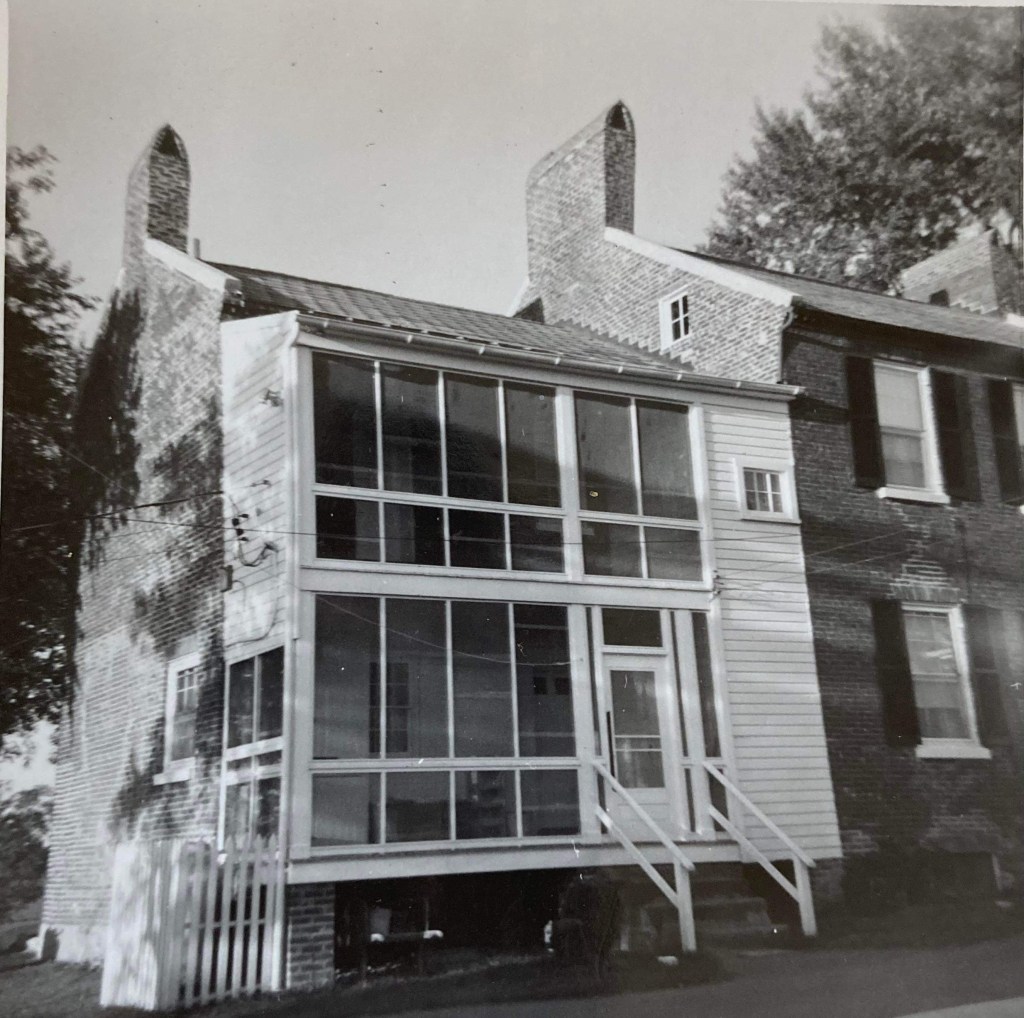
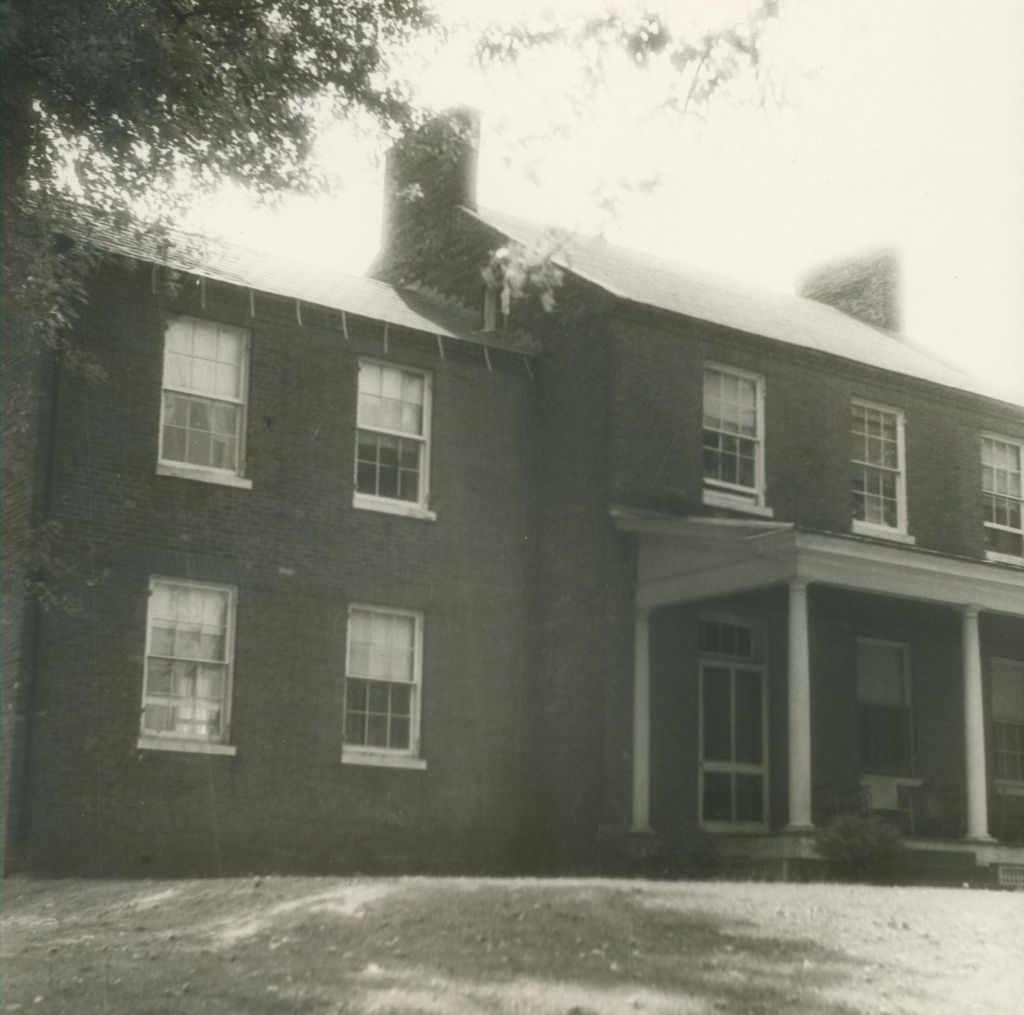
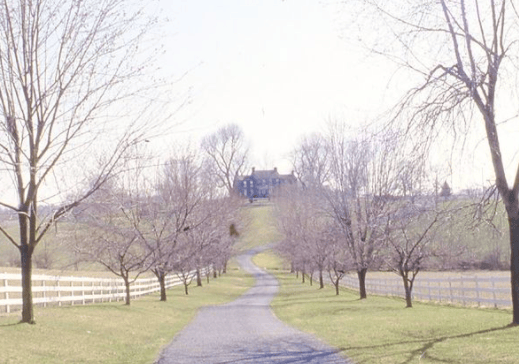
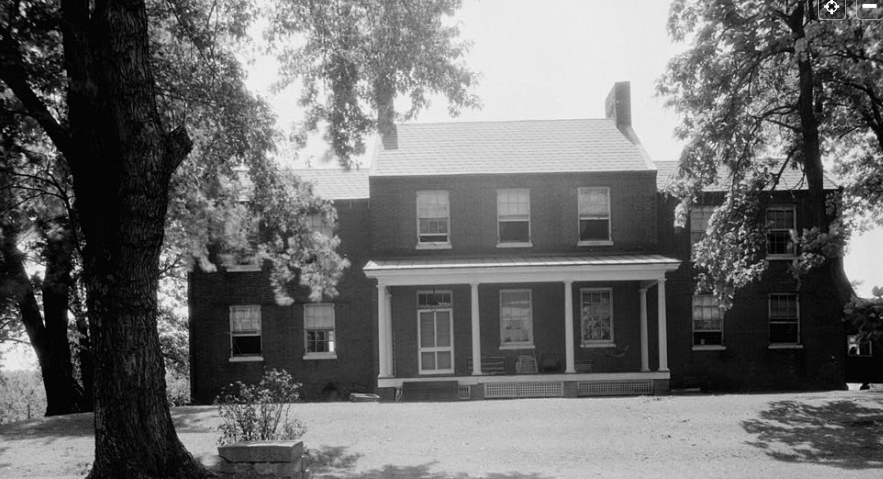
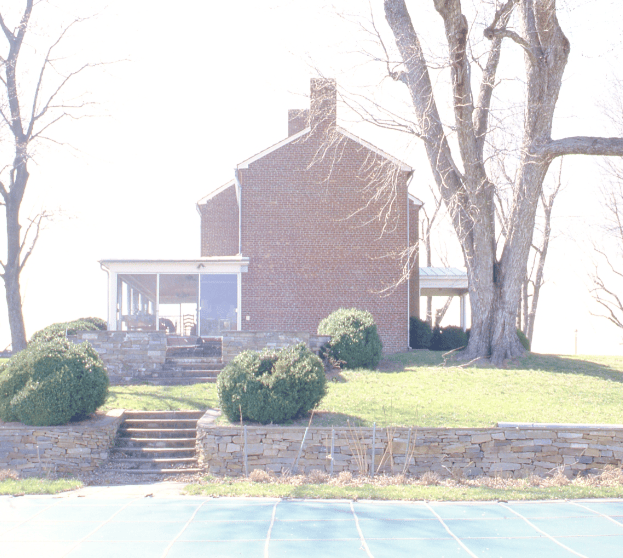
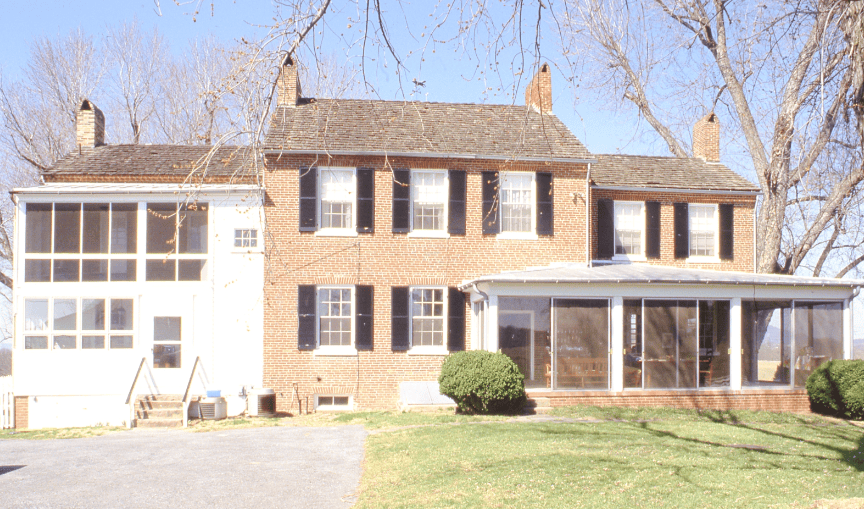
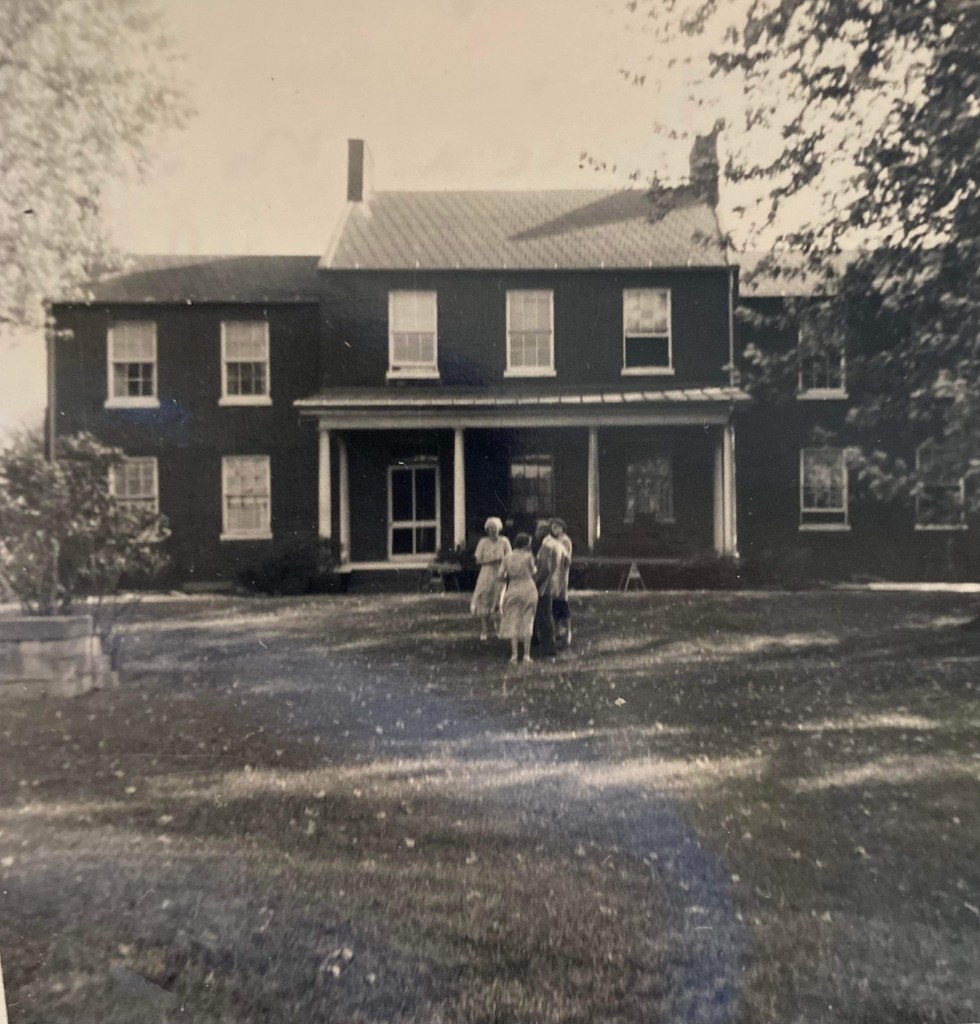
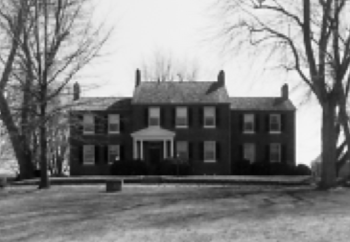
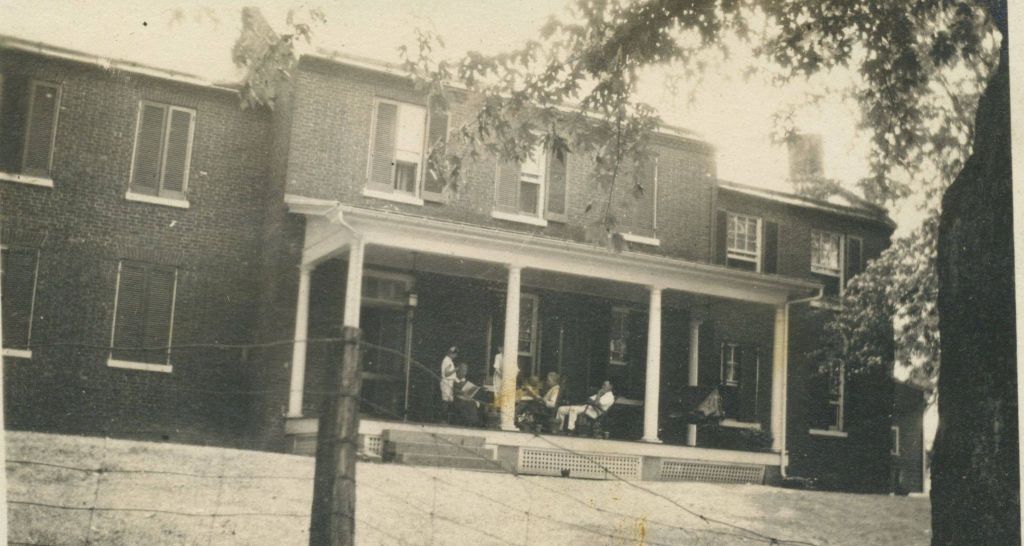
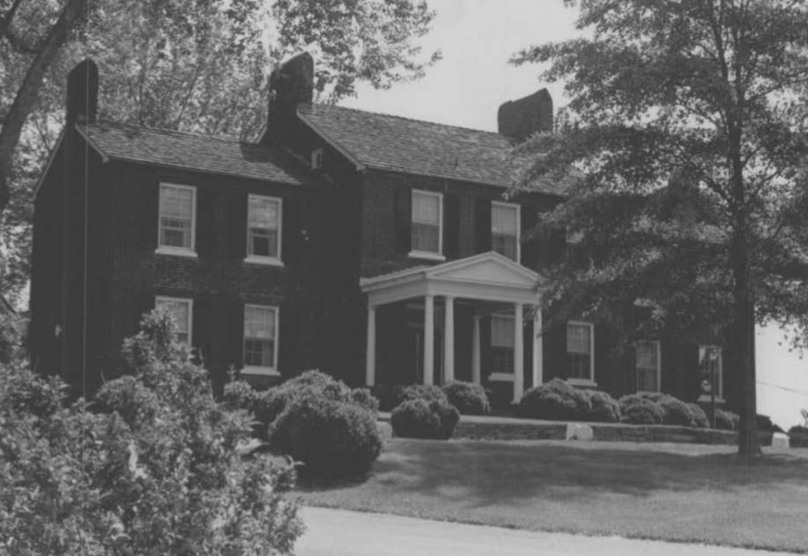
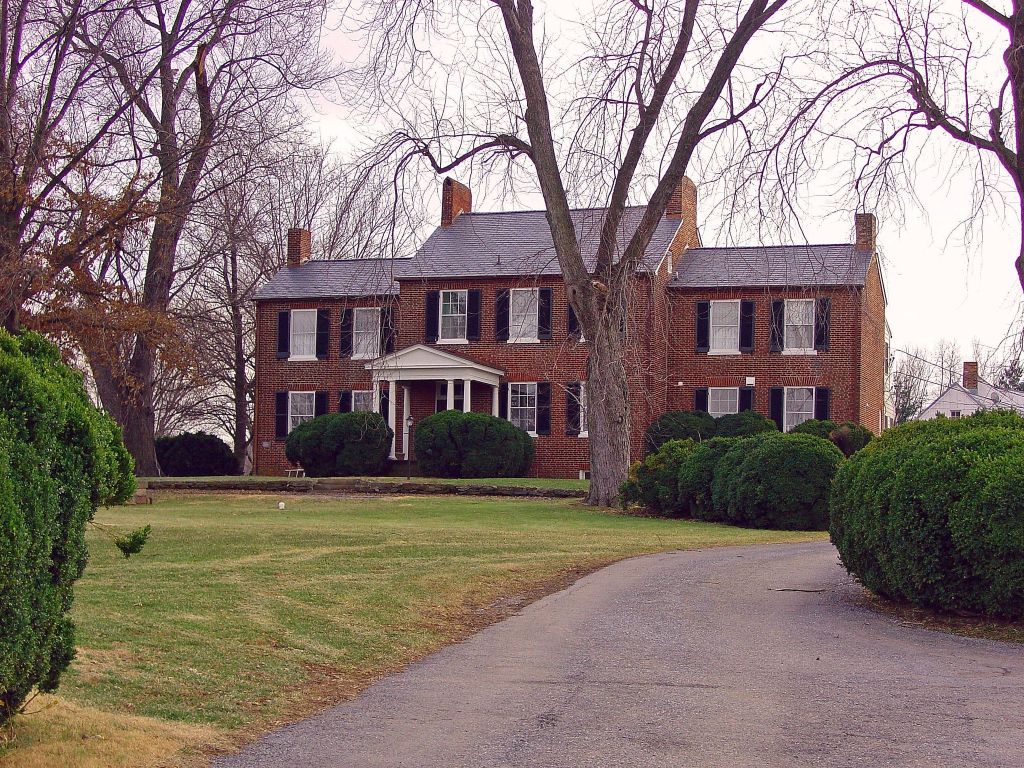
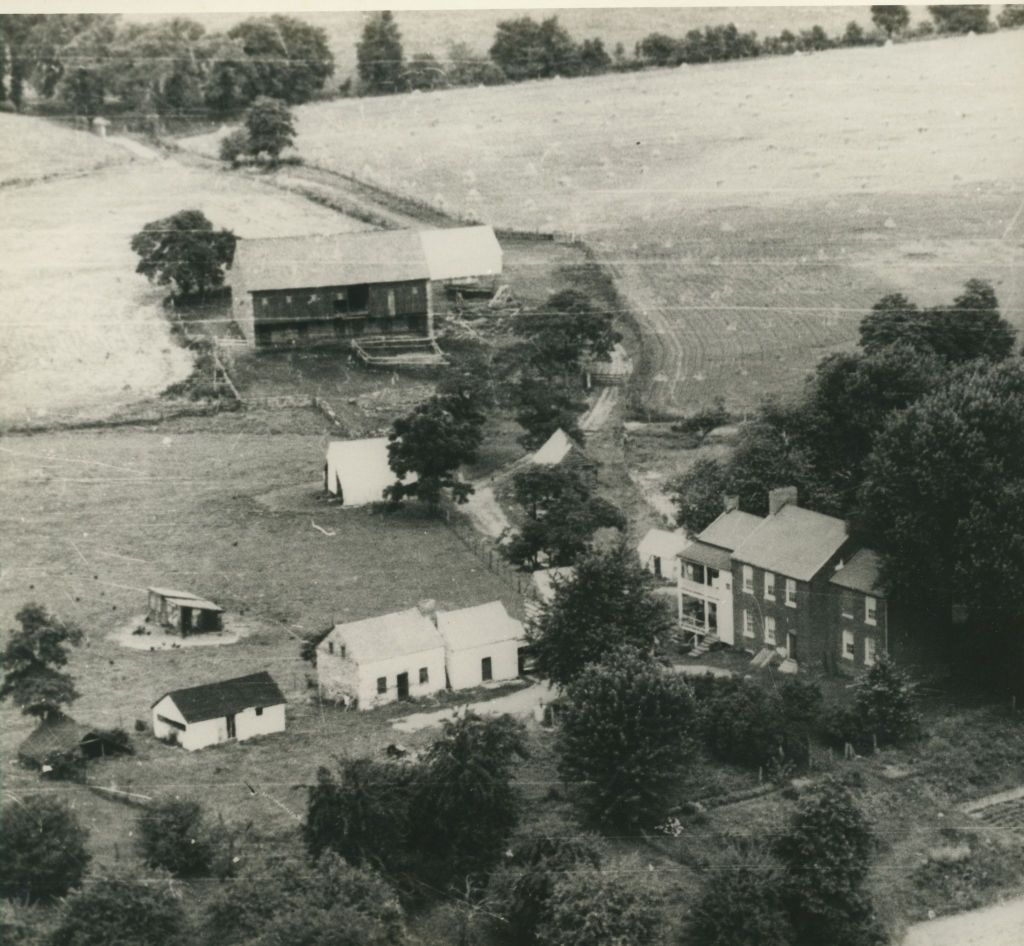
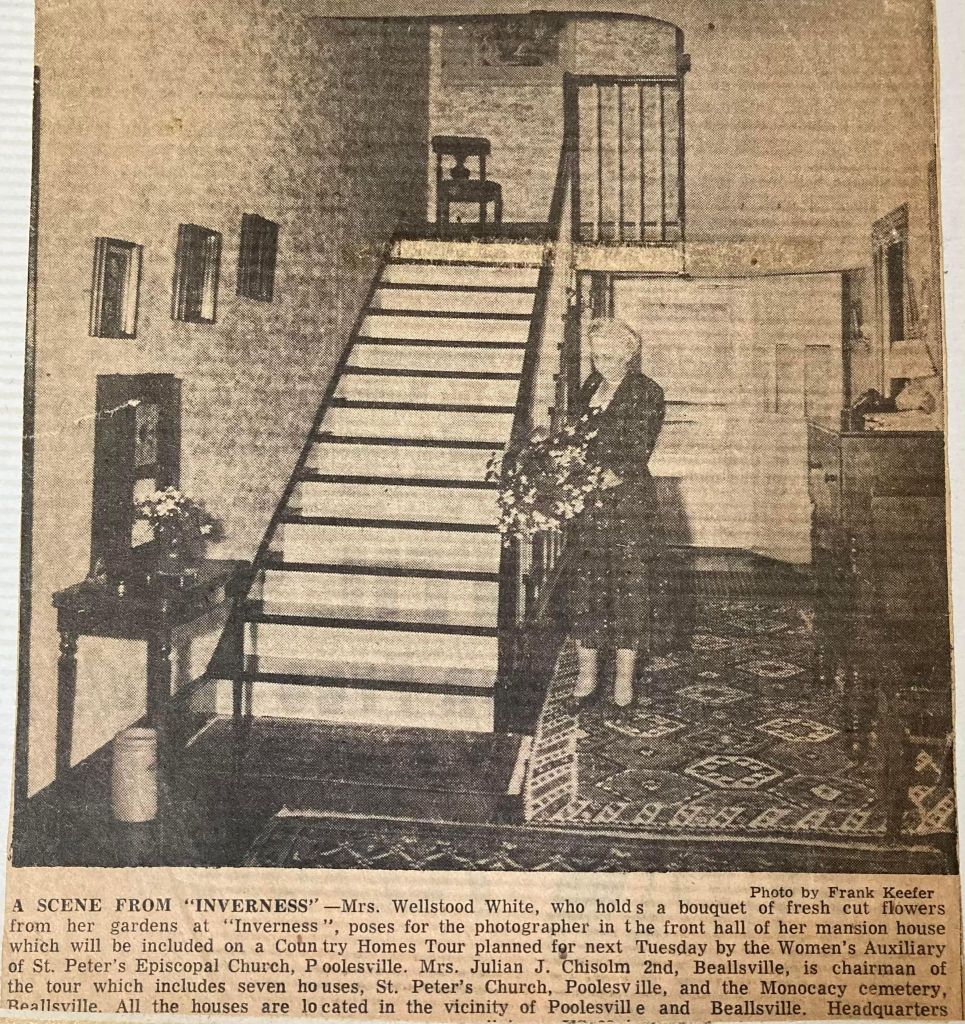
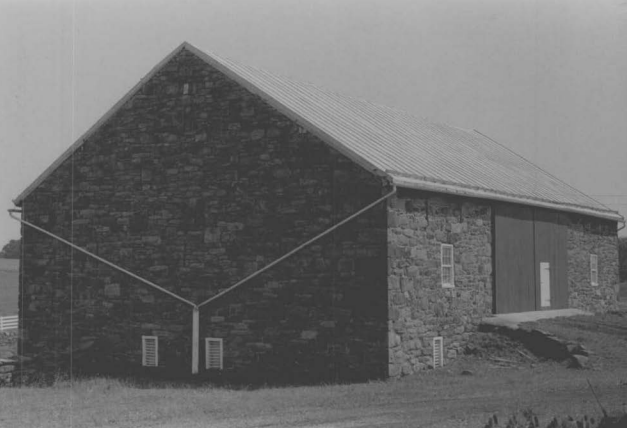
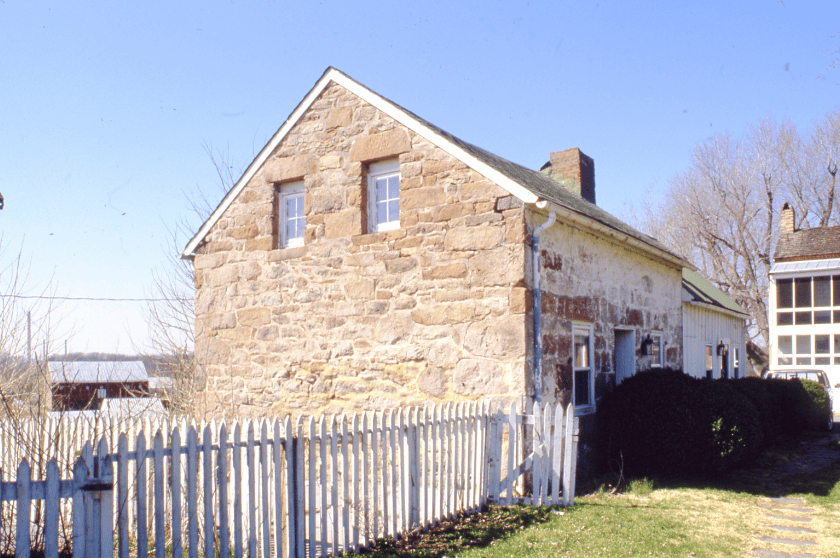
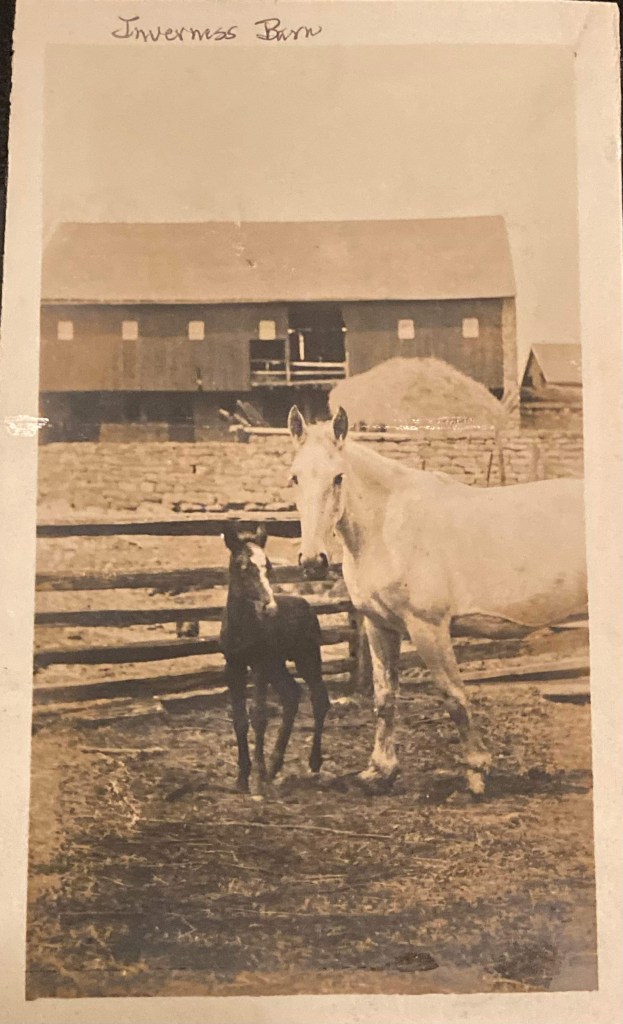
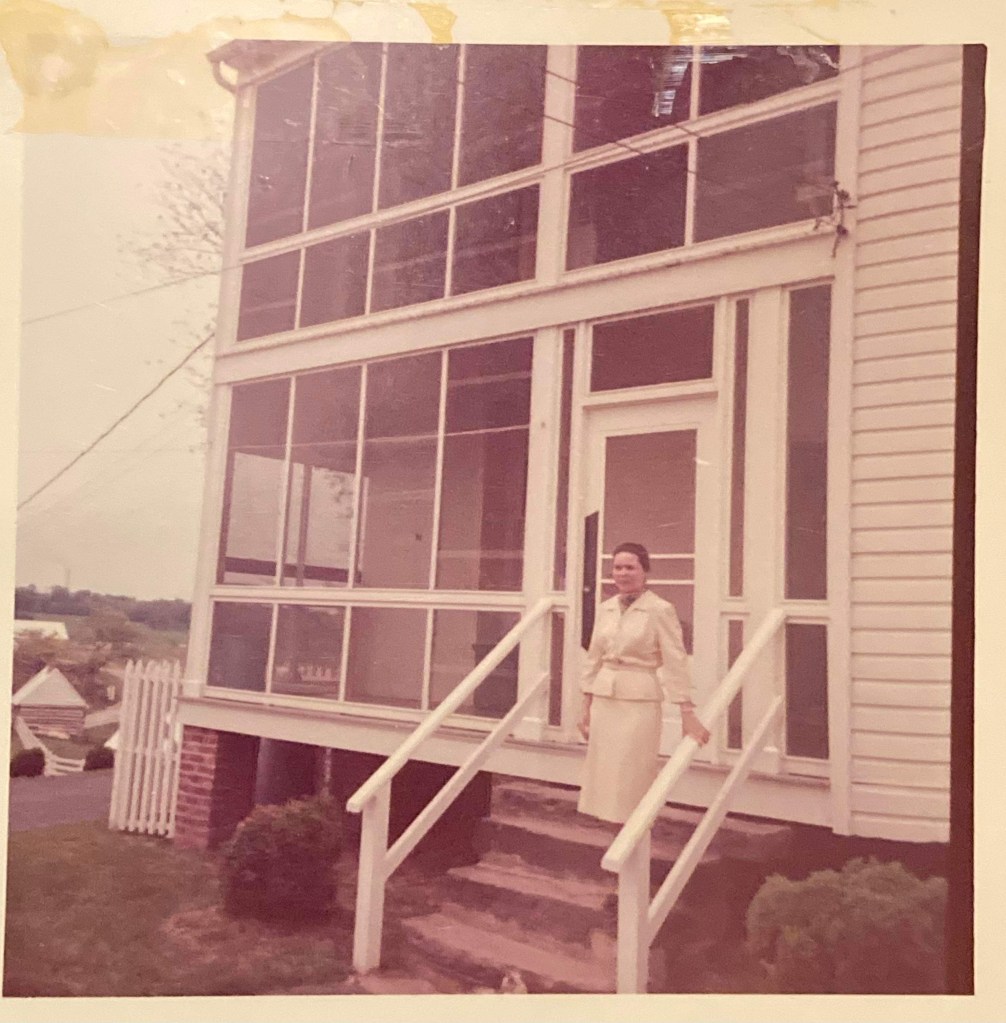
Charles Willson built Inverness in 1818. It’s said that before building, he lopped off the top of a hill to build on flat ground and give the home a more dramatic effect as you approach. And while the home is shielded from view by a series of tall pine trees, pictures from earlier days show that Willson achieved the effect he was aiming for. It’s an effect similarly achieved at Annington and East Oaks, which is not surprising because we believe that Willson had a hand in the construction of both of those estates as well.
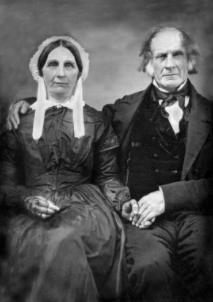
Although built in 1818, it’s not completely clear who lived in the grand Georgian brick home until at least 1825, when it’s believed that Benjamin White moved his family into the residence (and there is a letter from 1836 that references a move to the brick home as well, so the first 18 years of occupancy is a bit fuzzy). Regardless, there are indications from the letters that the family was living in a different home on the property before moving into the brick house.
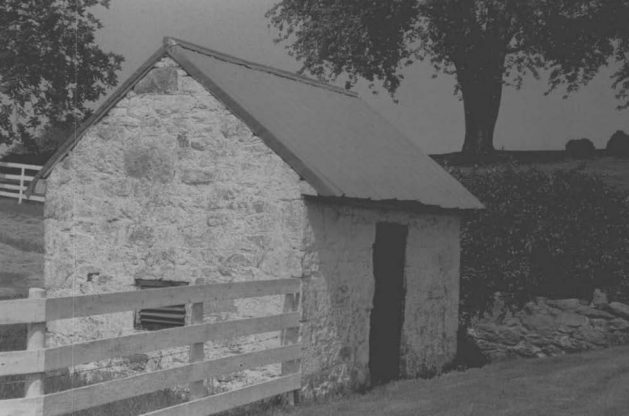
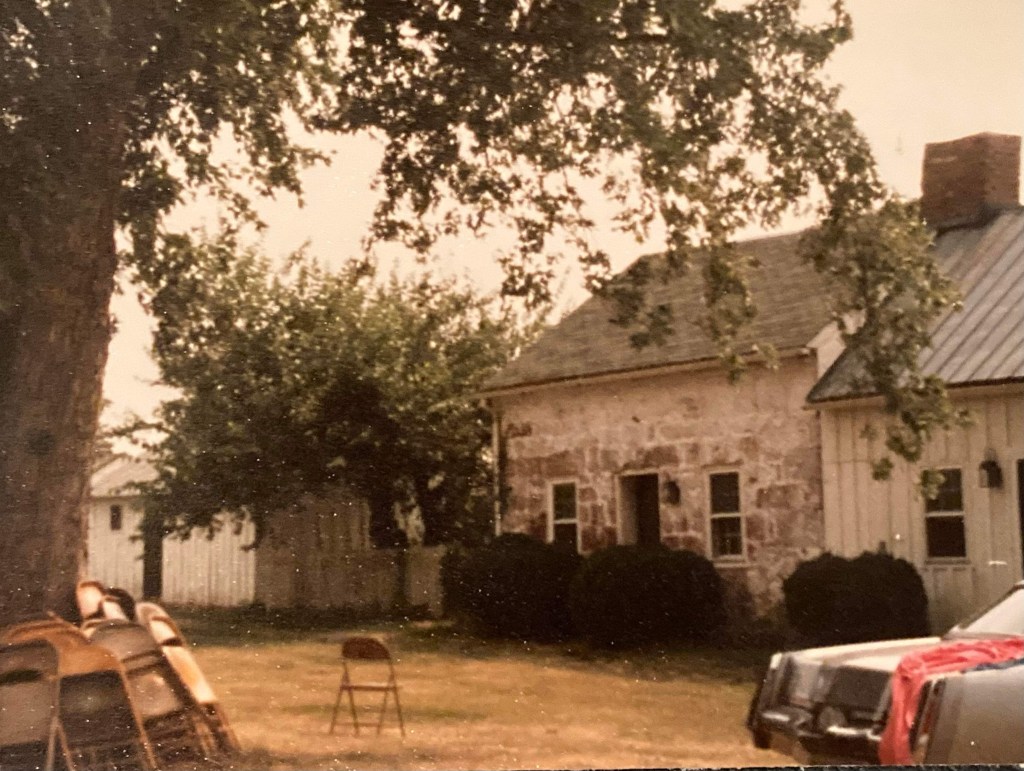
The home, and the extensive set of outbuildings (to include an enslaved quarters, smoke house, blacksmith shop, stone barn, and spring house) and land surrounding the home, are indicative of the wealthy planter class in this part of the Ag Reserve in the 19th century. Despite this wealth, we know that Benjamin still felt the need to pinch pennies, noting to his children that “he had to hustle even on 600 acres.”
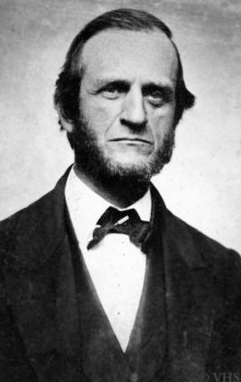
Benjamin and his wife Rachel had thirteen children, but we know the most about their first-born, Nathan (previously mentioned), because of the extensive letters between him and family members between the 1820s to 1840s (I was able to obtain a copy of these letters from the Duke University Library, but I have no idea how they ended up there). Following graduation from Princeton in 1836, Nathan went on to a successful legal career in Charles Town, WV. Interestingly, his son fought and was killed as a confederate soldier at the Battle of Chancellorsville on May 3rd, 1863 (one of the bloodiest days of the Civil War). You can learn much more about Nathan’s letters, Inverness, and his son’s Civil War battlefield death here: The Life of Nathan White
Following Benjamin White’s death in 1862 (he is buried at Monocacy Cemetery), Inverness passed to multiple successions of White generations until being sold out of the family in 1959.