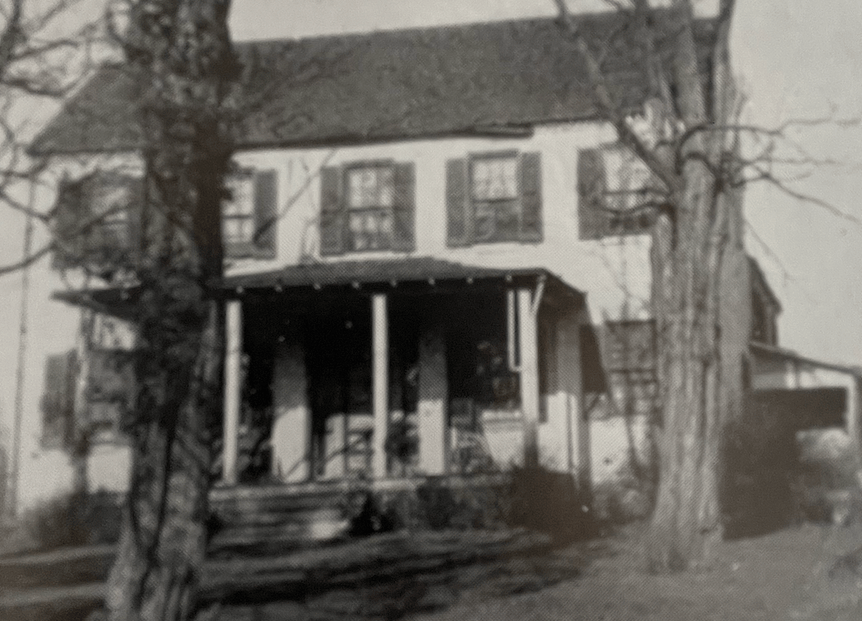
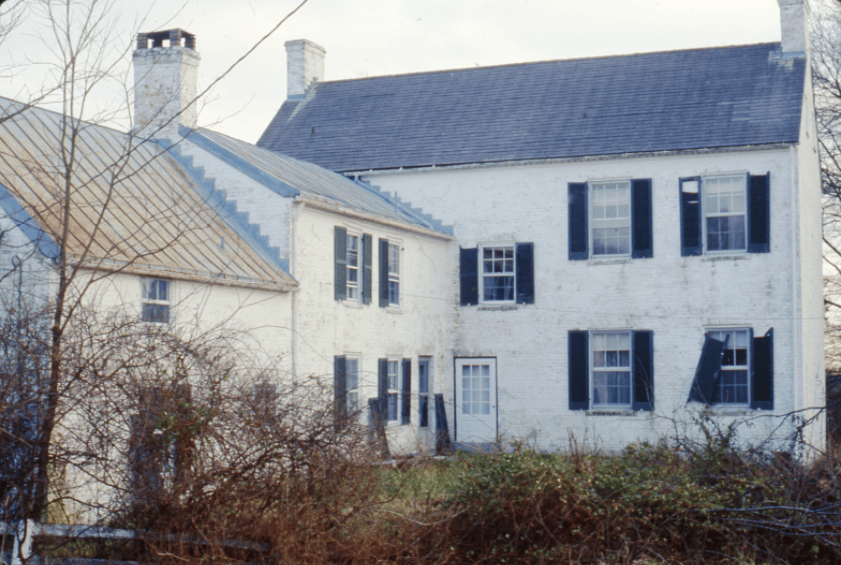
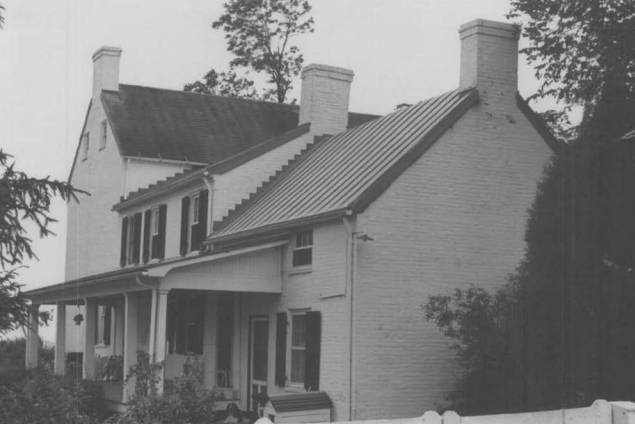
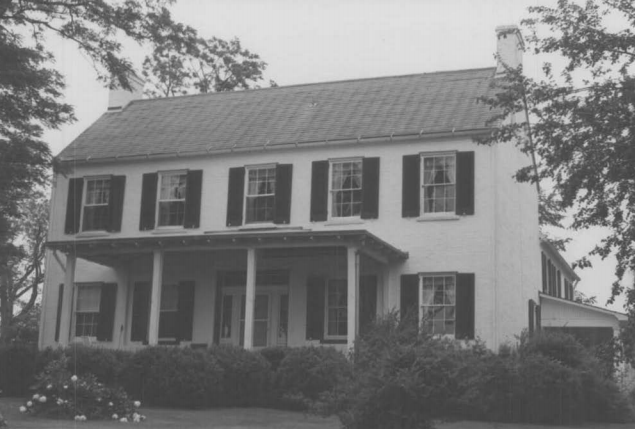
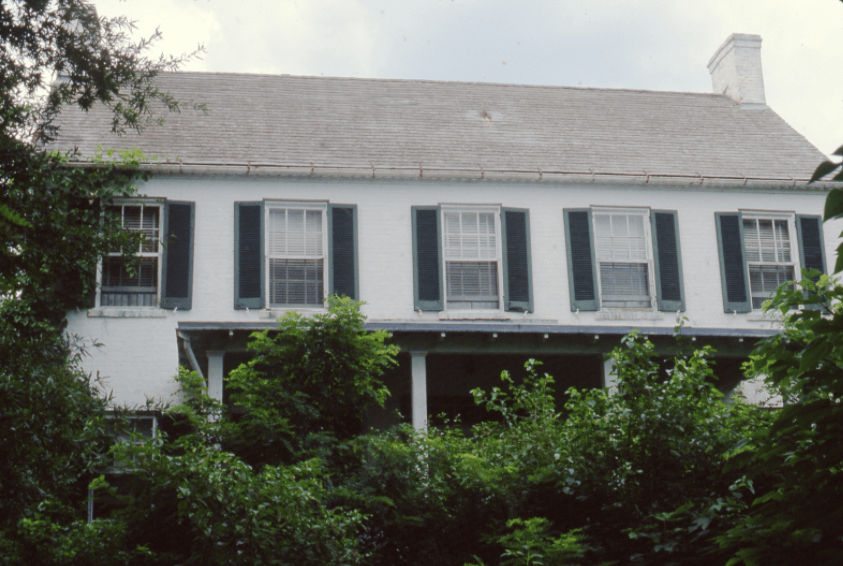
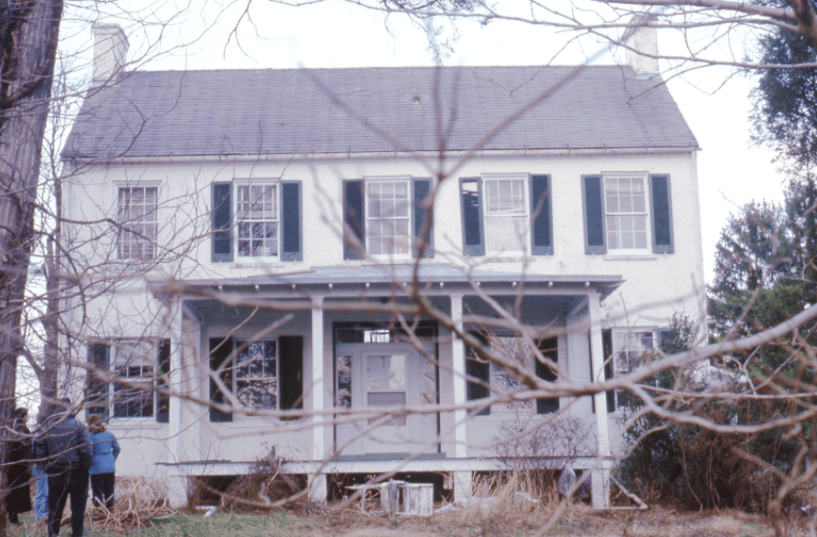
It’s a funny scene to imagine from the mid-1800s. Neighbors standing in the front yard of the old Kilmain home and looking up at its roof as old Basil Pleasants emerged with homemade wings strapped to his arms. Allegedly inspired by large buzzards that were able to fly, Basil apparently thought he would be able to as well. Jumping from the roof with arms (and wings) outright, the event ended as I would assume most expected: with Basil plummeting down to earth and breaking a leg upon impact.
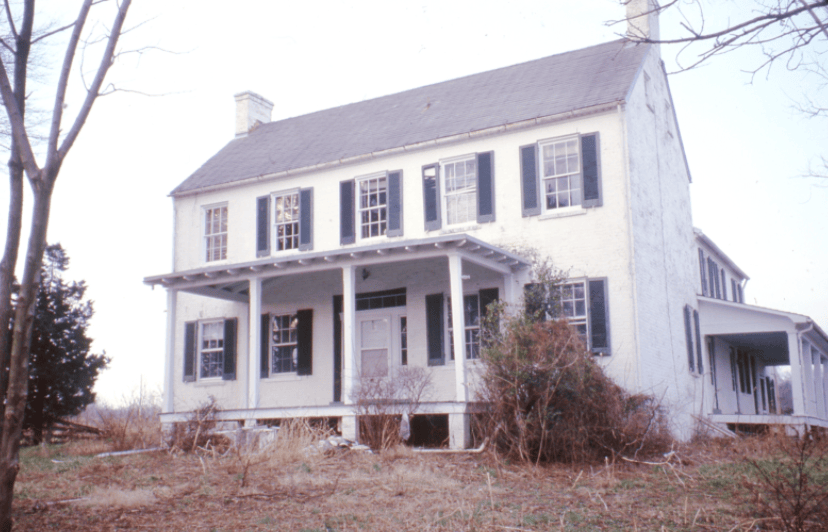
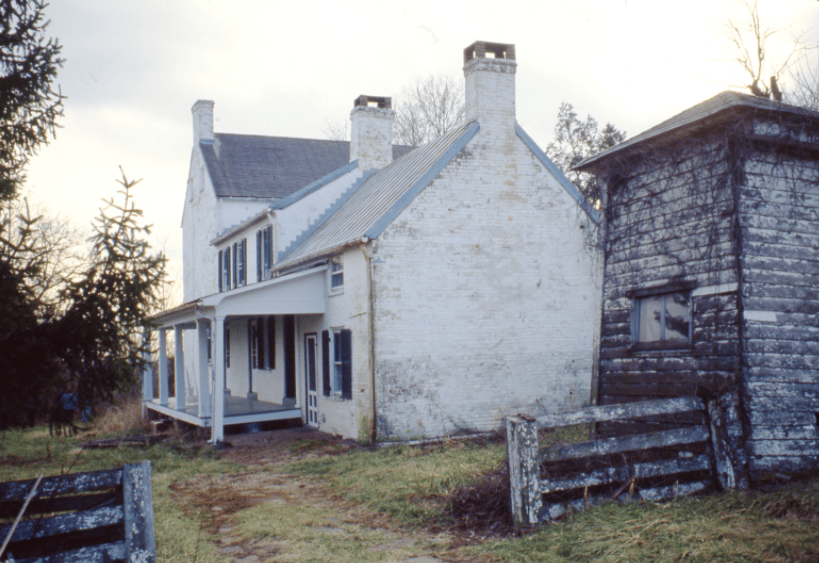
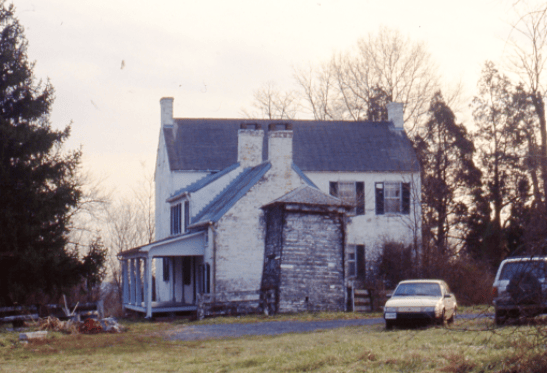
The Kilmain plantation (typically referred to as Kilmain II because it was built after the initial estate just down the road on the Kilmain tract of land) is thought to have been completed around 1812. There’s some dispute as to whether the home was built by the Trundle Family (the same family who built a number of other homes in the area around the same time, most notably Annington) or the Young Family (another prominent family who built large homes in the area, most notably East Oaks). We know the Young’s arrived in the area from Hagerstown in 1812, so if the date of Kilmain’s construction truly is 1812, I’d think it’s more likely that the home was built by the Trundles.
Wasche Road, which runs past the property, was established in 1865 and named for the Wasche Family who owned Kilmain II at that time.
The home is one of many examples here in the Ag Reserve of the Federal architectural style, popular through the first 3-4 decades of the 1800s. Note the transom windows at the front door, symmetry across the front bays of the home, and details in the cornice work – all classic characteristics of the Federal style.

