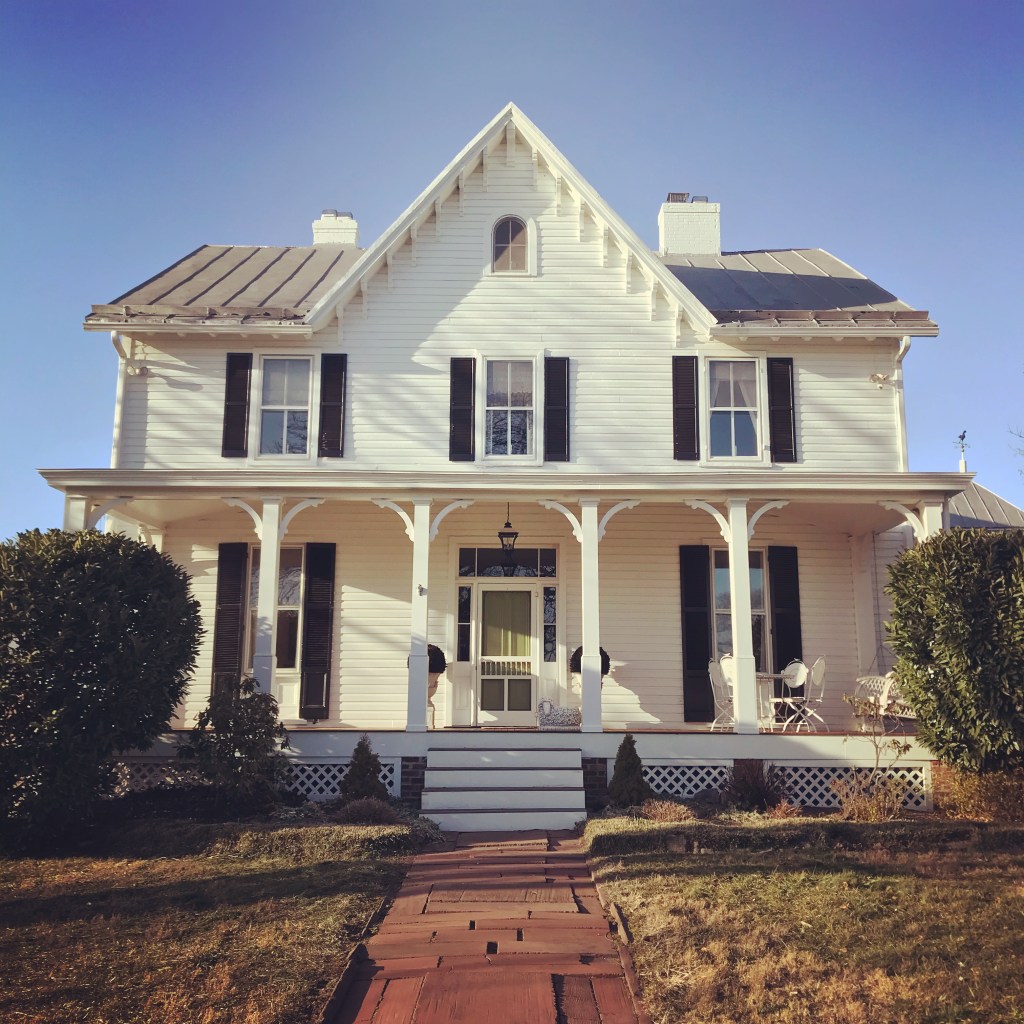
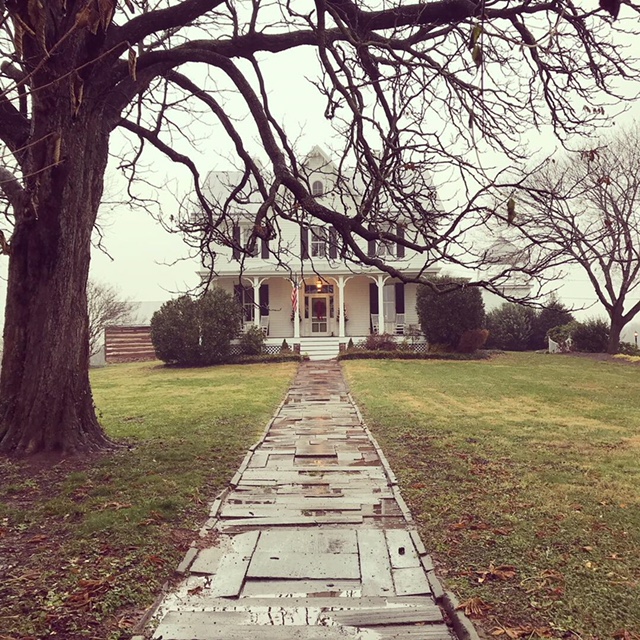
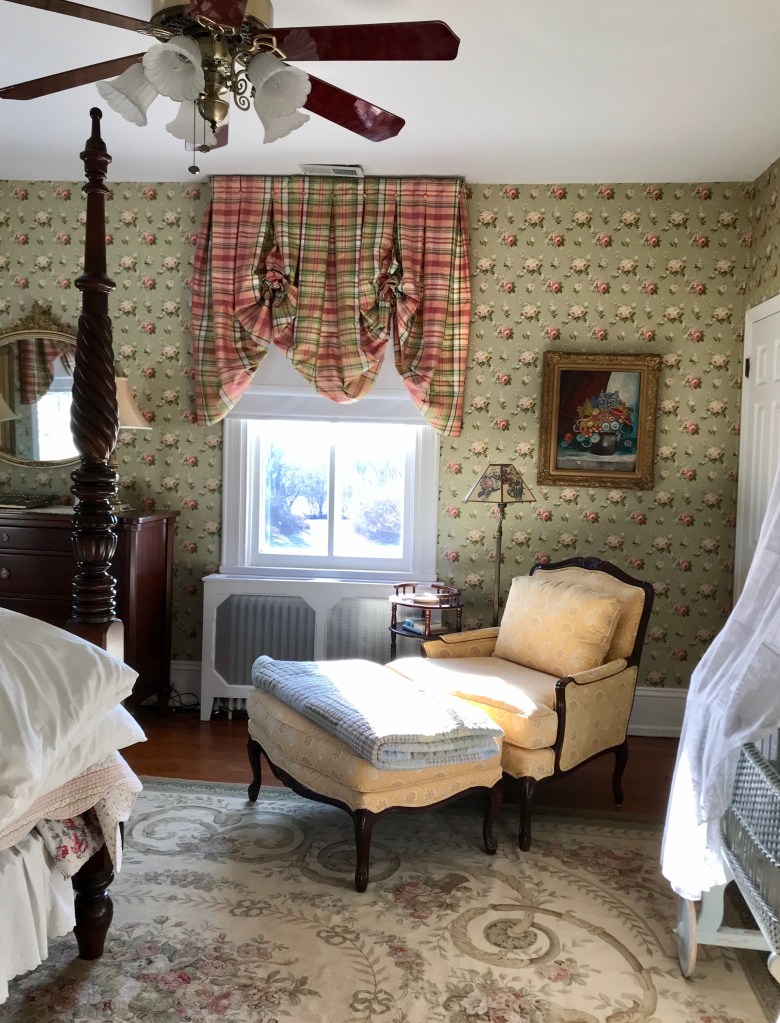
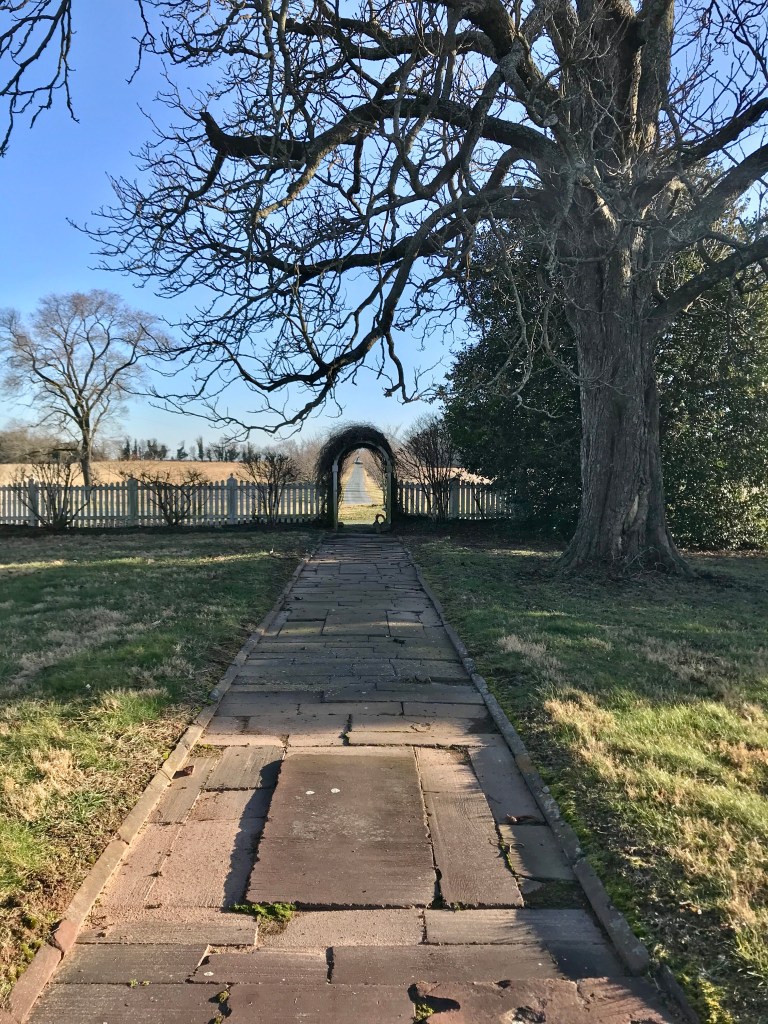
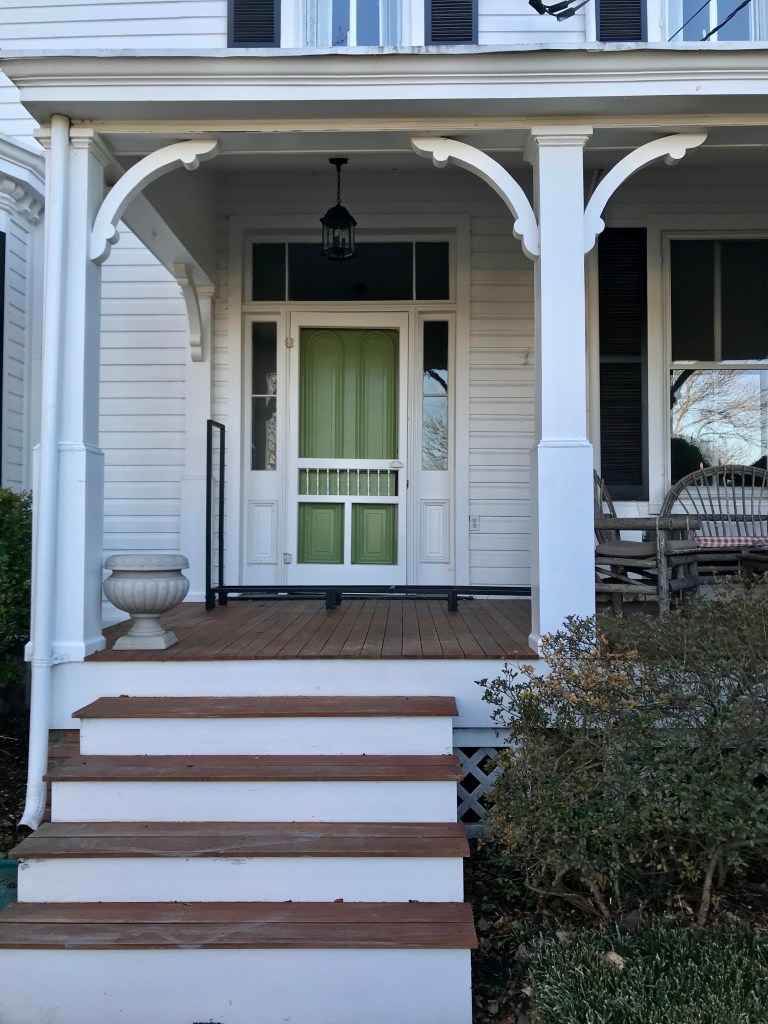
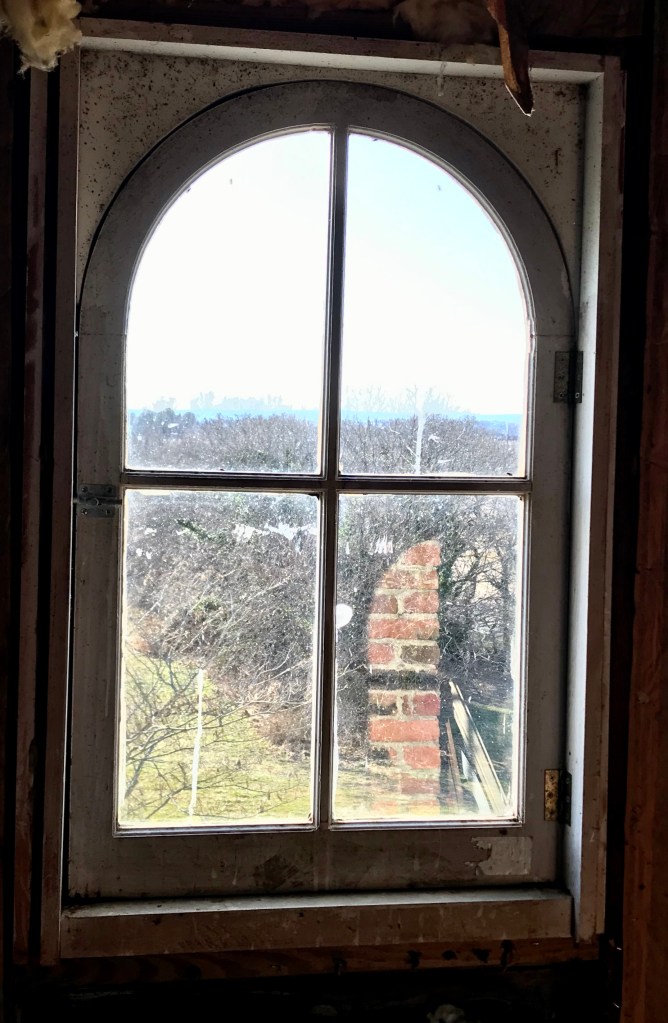
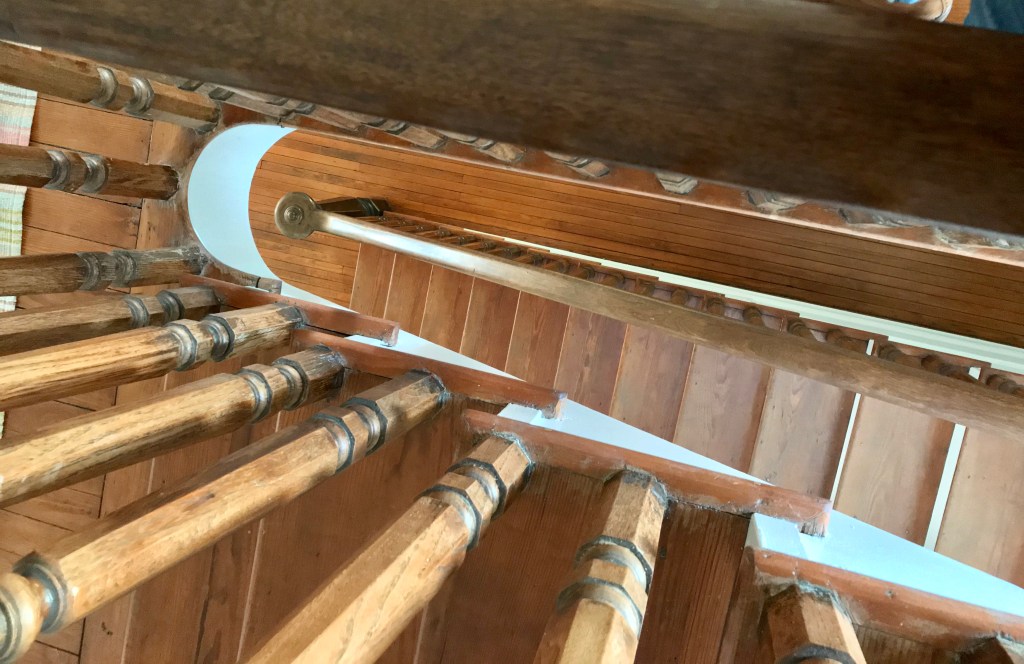
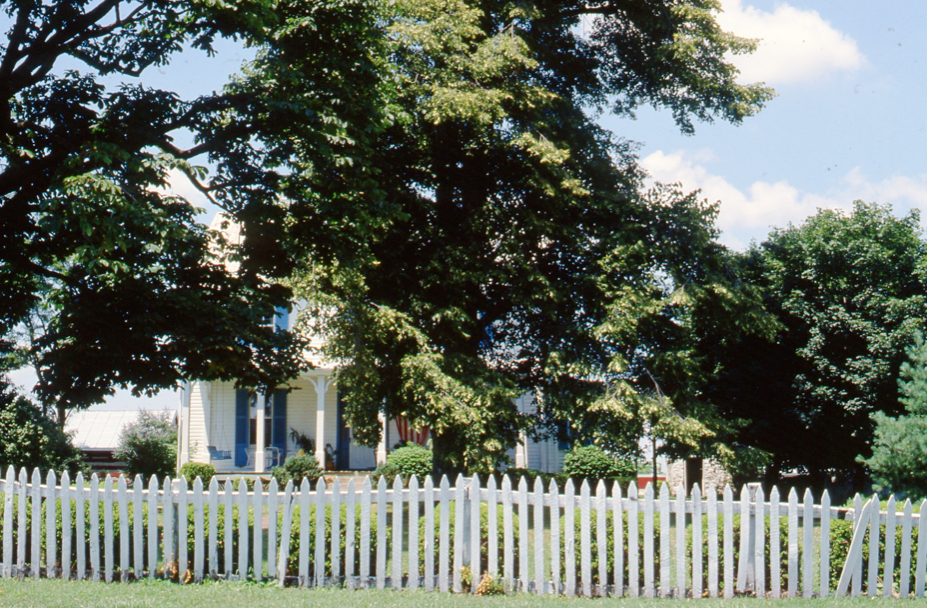
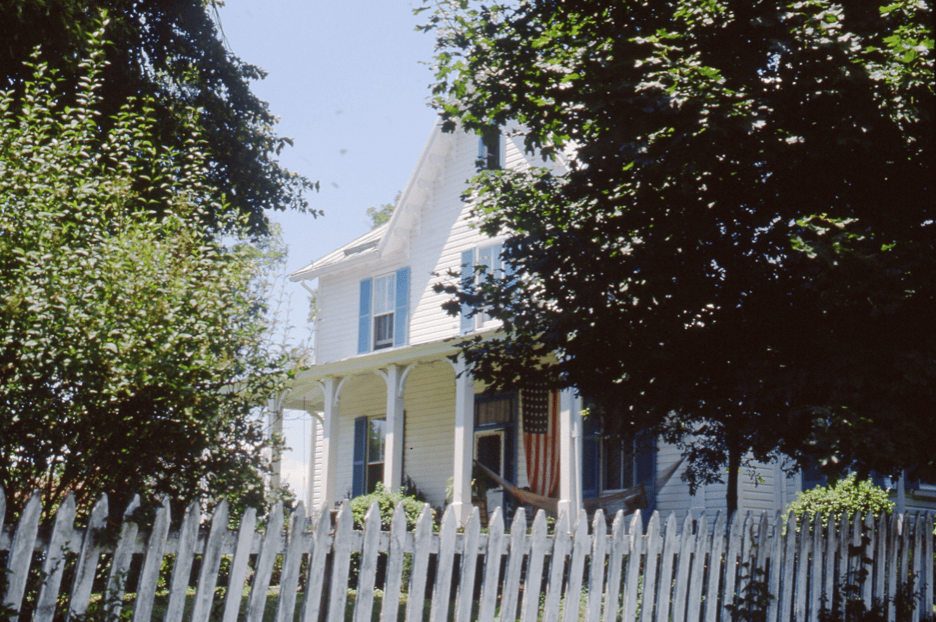
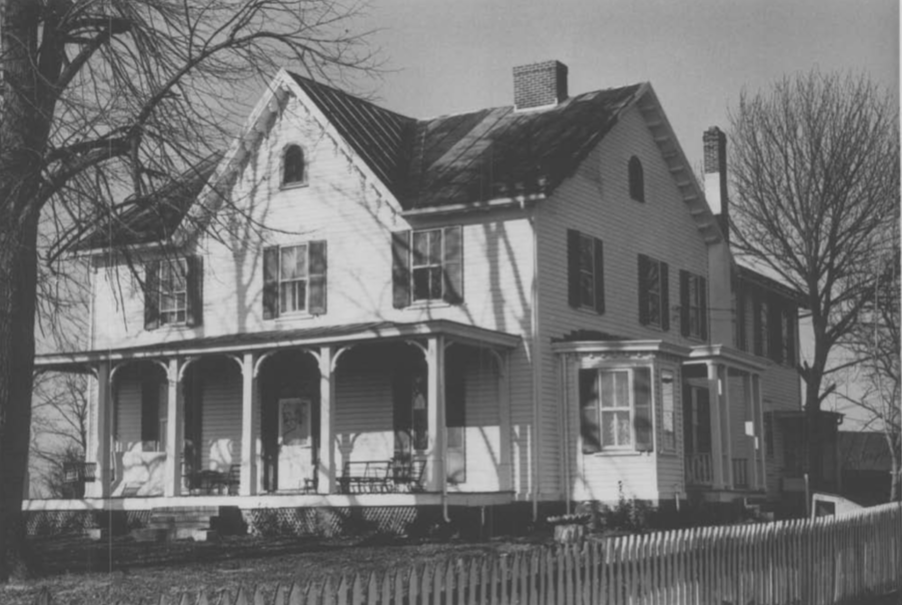
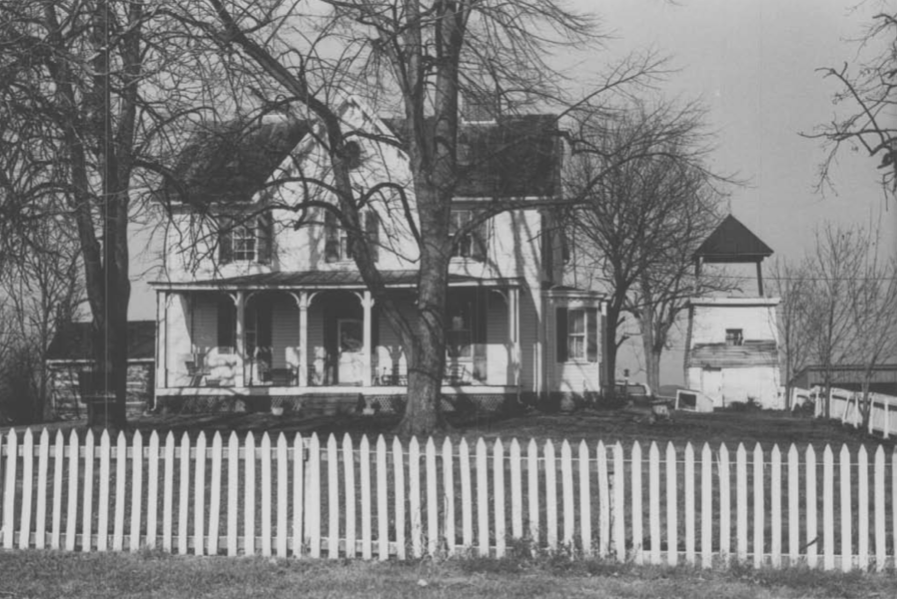
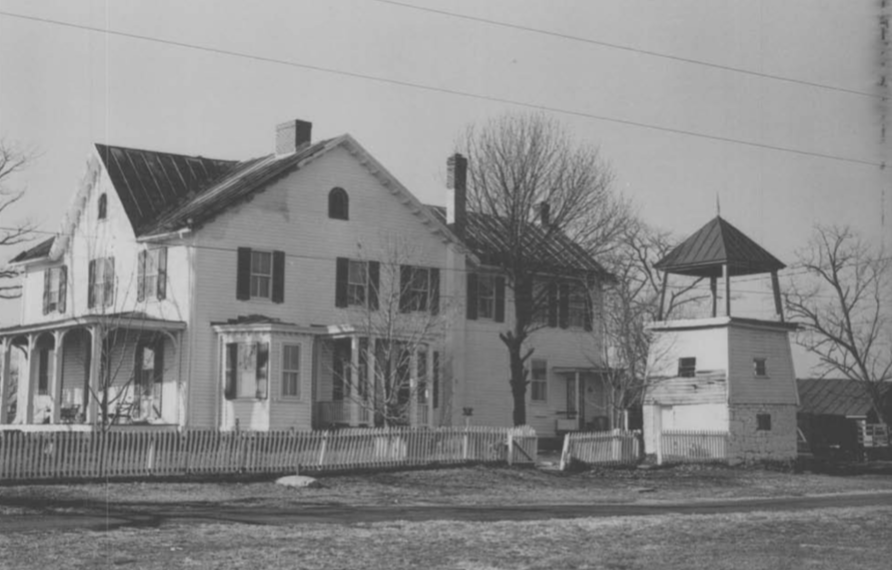
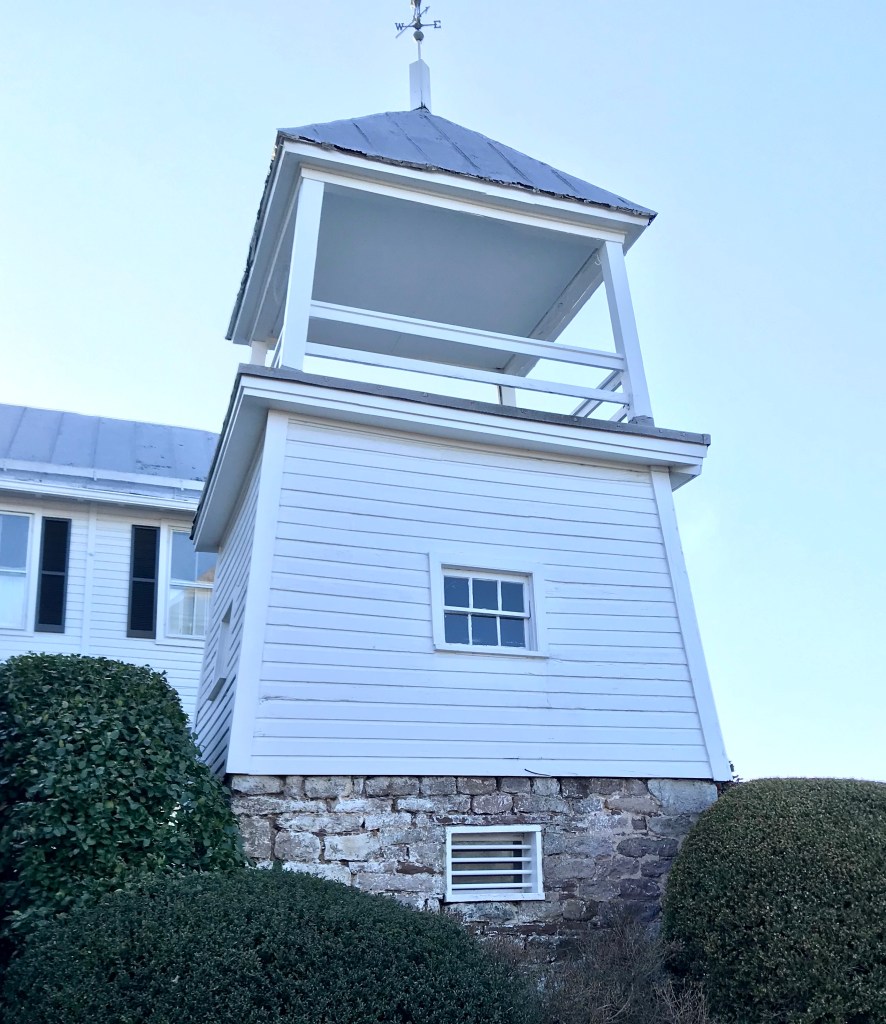
It’s hard to imagine a more perfectly situated home. At the end of a long, tree-lined driveway and behind a white picket fence with an arched entrance stands Lindenwood Farm. The home has clear Victorian, Gothic, and even Italianate features, and while the homeowners aren’t completely sure, we think it was built sometime in the 1870s.
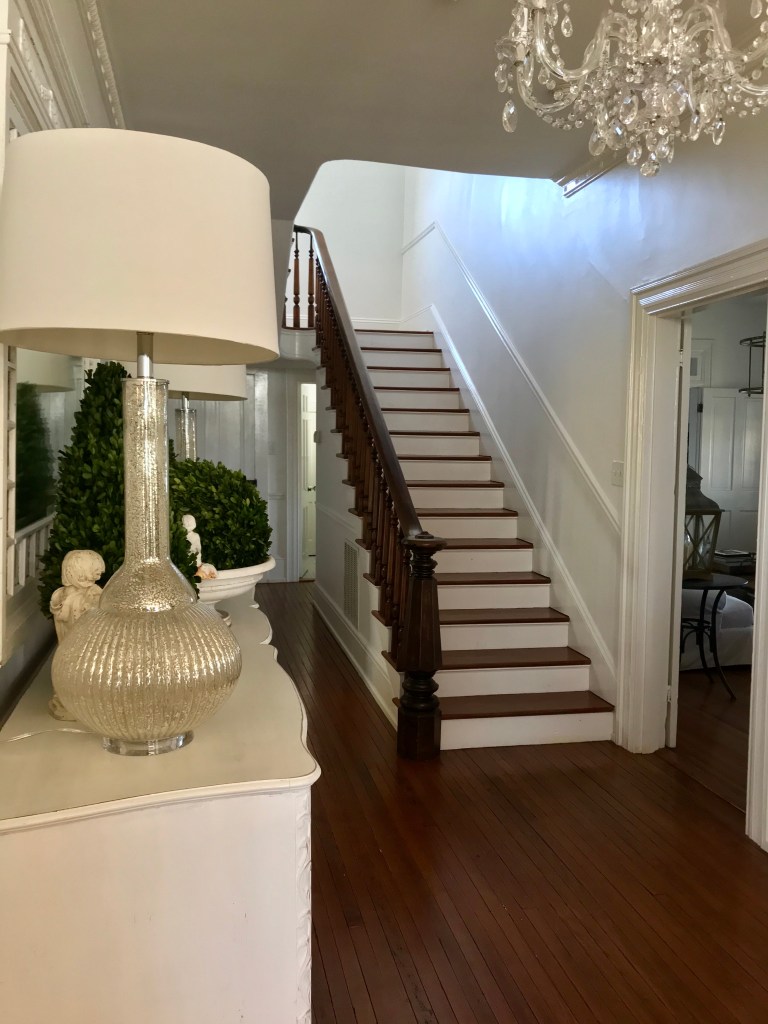
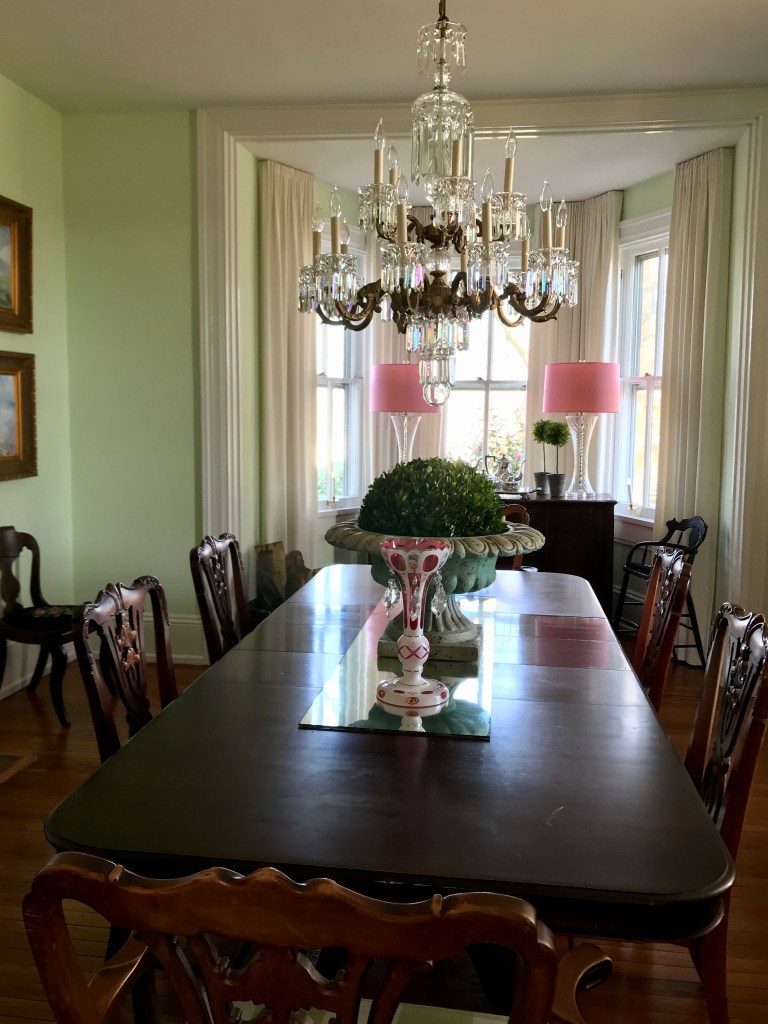
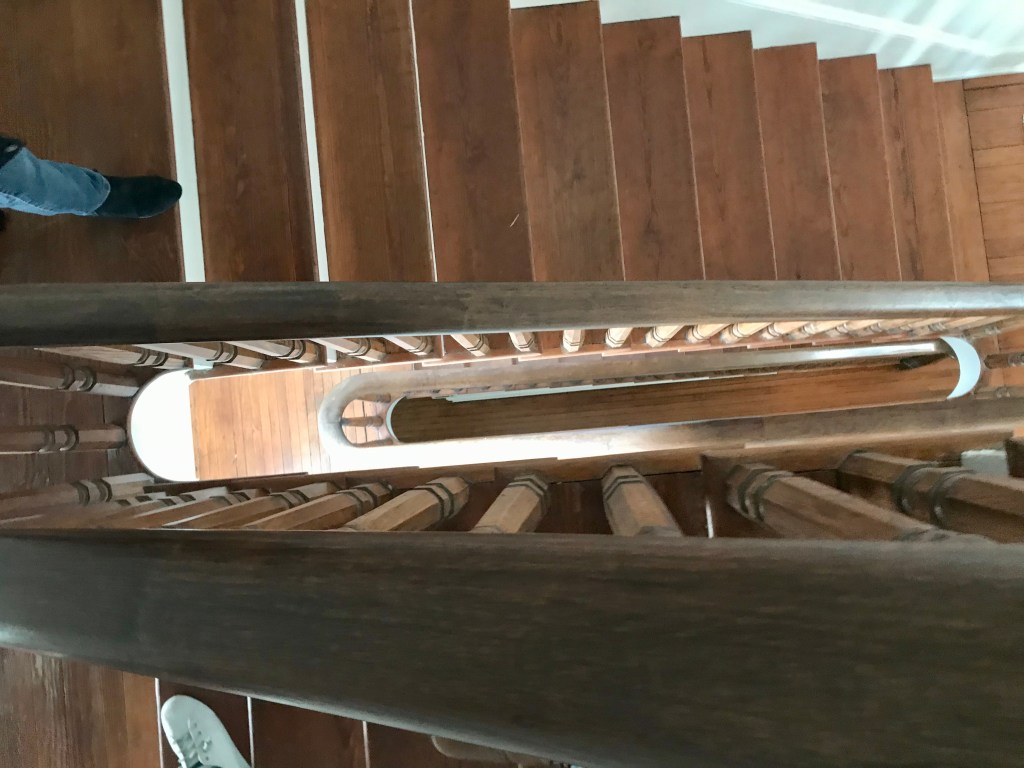
The interior of the home was restored in the last 20 years, and the attention to detail is incredible. I’m not sure I’ve been in another historic home that makes you feel like you are standing in the present and the past at the same time in such a seamless manner.
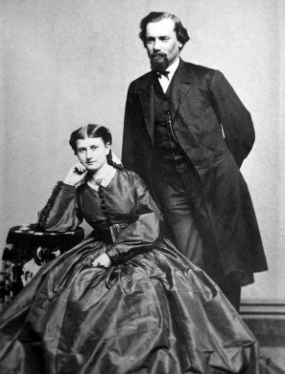
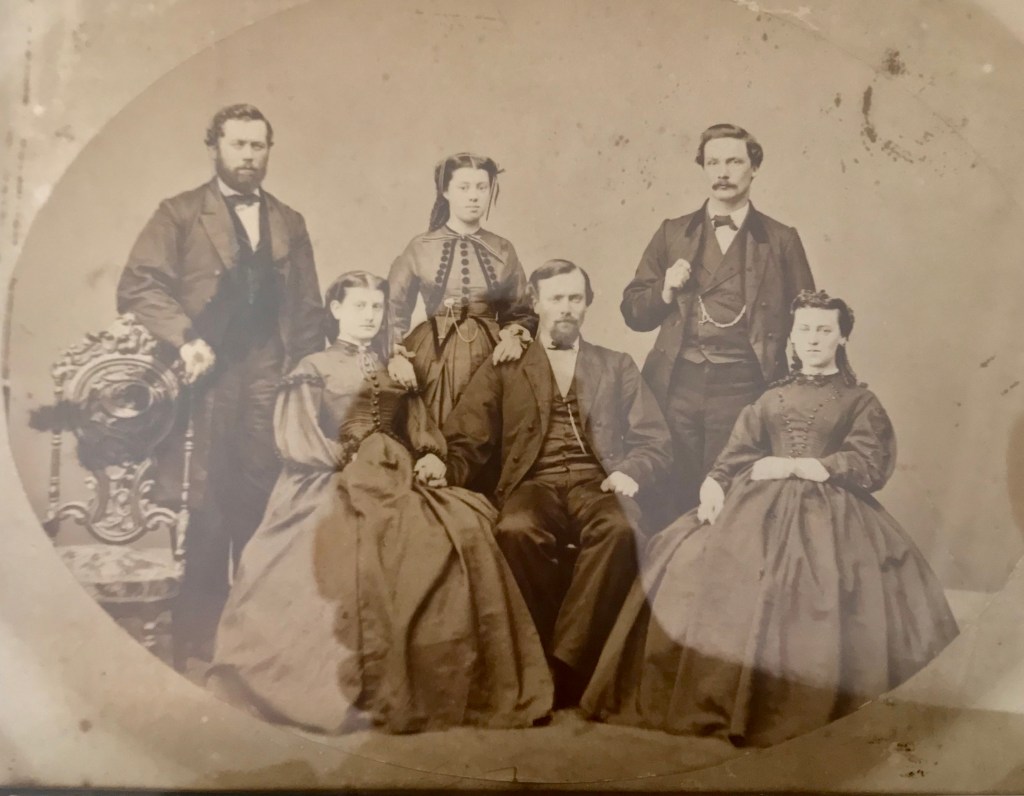
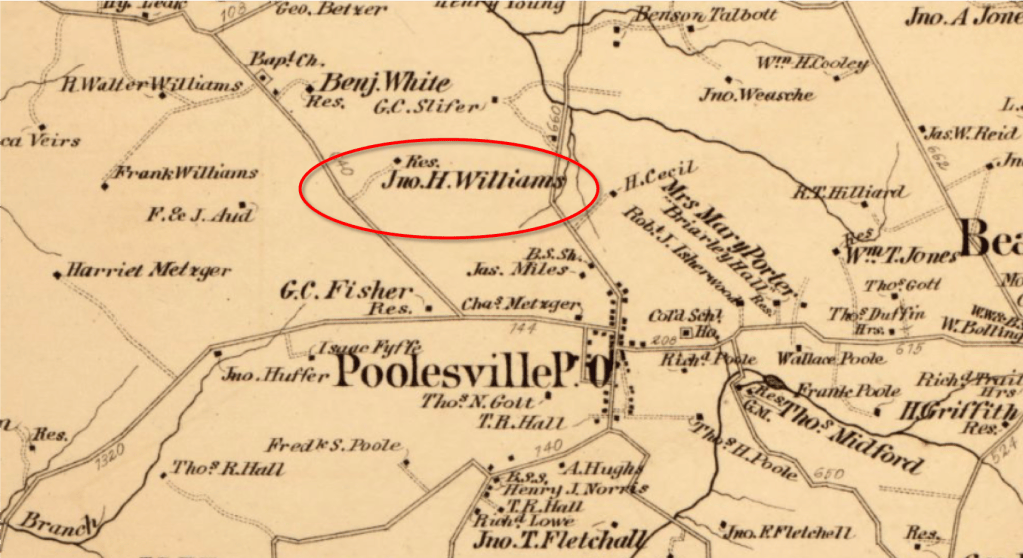
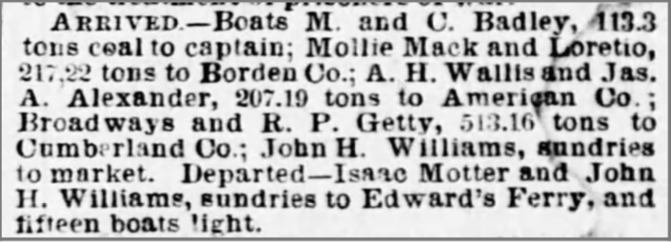
So what do we know about it’s original inhabitants? John H. Williams (1842-1909) was born and raised in the area. The great-grandson of a Revolutionary War veteran, John was 19 when the Civil War started. The fact that he does not appear to have served on either side during the war could speak to the relative wealth his family may have had. I was able to uncover a newspaper article from 1864 detailing his involvement in shipping goods down the C&O canal from Edward’s Ferry to Georgetown.
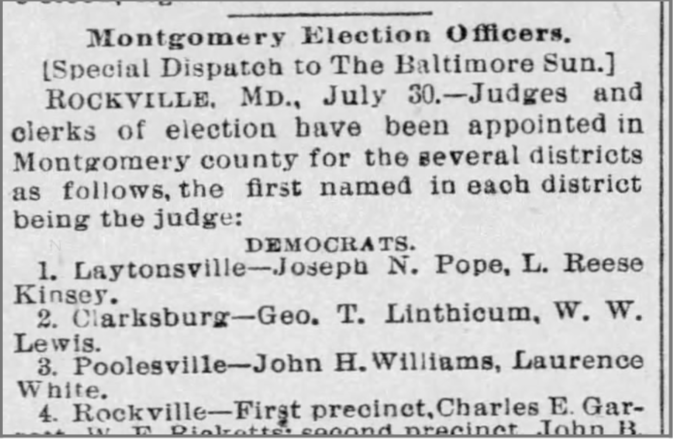
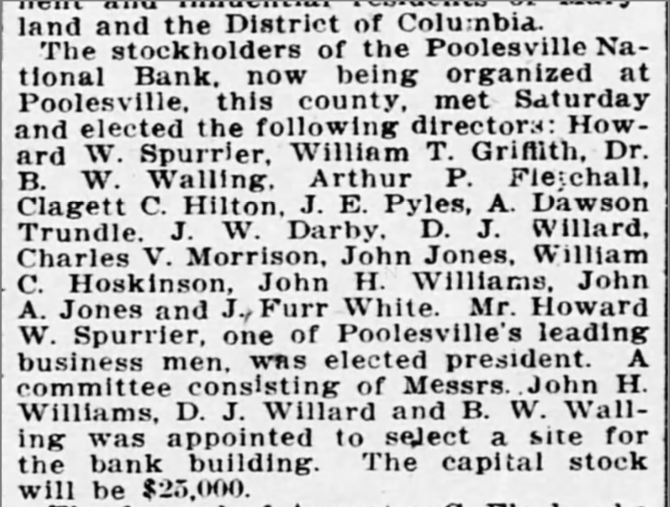
In February 1865, John married Sallie White, daughter of the wealthy Dr. Stephen Newton Chiswell (Dr. Chiswell owned the historic Annington home near White’s Ferry). Together, the couple had 12 children. An active member of the community, John seemed to have his hands in a little bit of everything. He and Sallie were devoted members of the St. Peter’s Parish, he served on local election boards, bought and sold real estate, and was one of the founding members of the Poolesville Bank in the early 1900s (the “Old” town hall building).
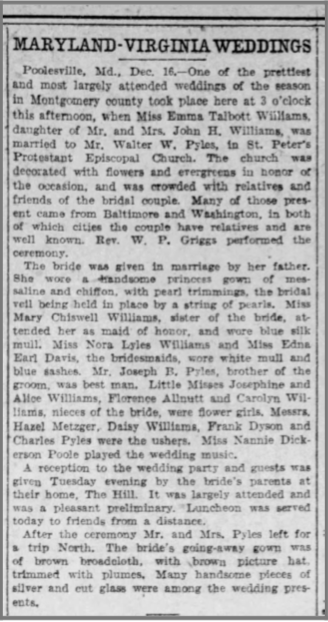
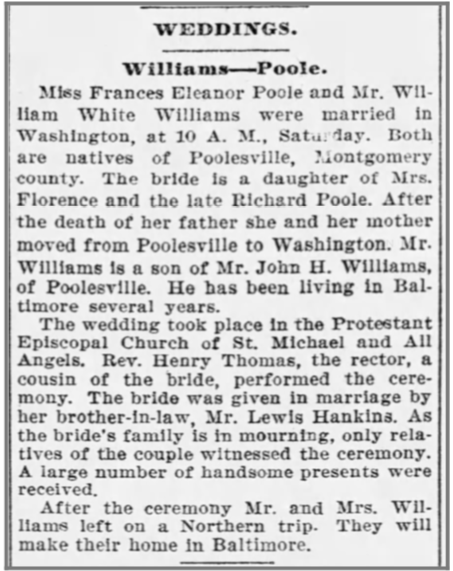
It also seems clear that he was a devoted father. I came across multiple accounts John walking his daughters down the aisle to be married and holding the reception at the home after the ceremony at St. Peter’s (I’ve included my favorite write-up in the pictures).
Sadly, John passed away from complications related to a surgery in 1909. Sallie lived for another 20 years, likely at their home, known then as “The Hill” and now as Lindenwood.

