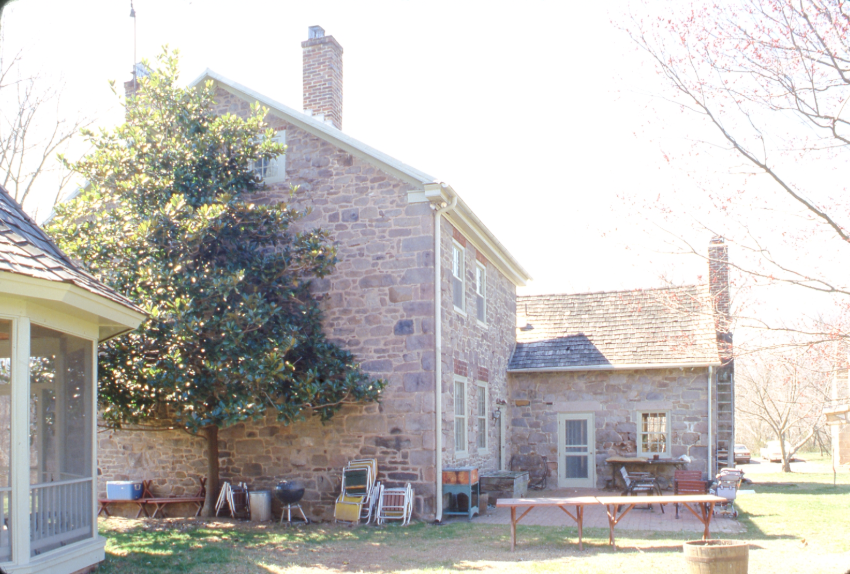
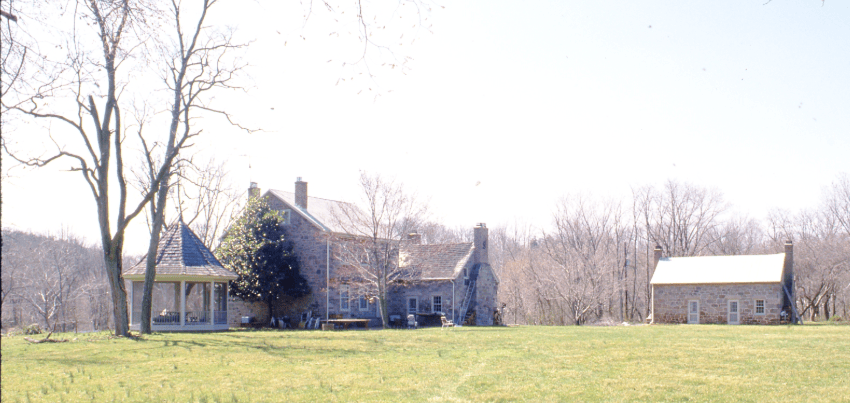
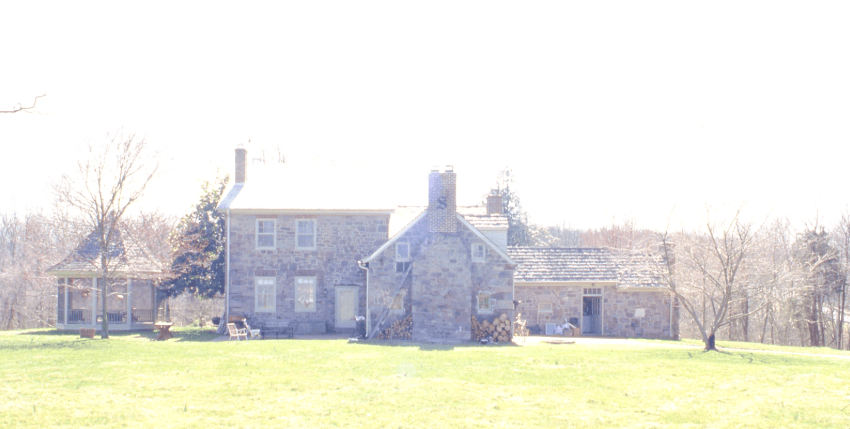
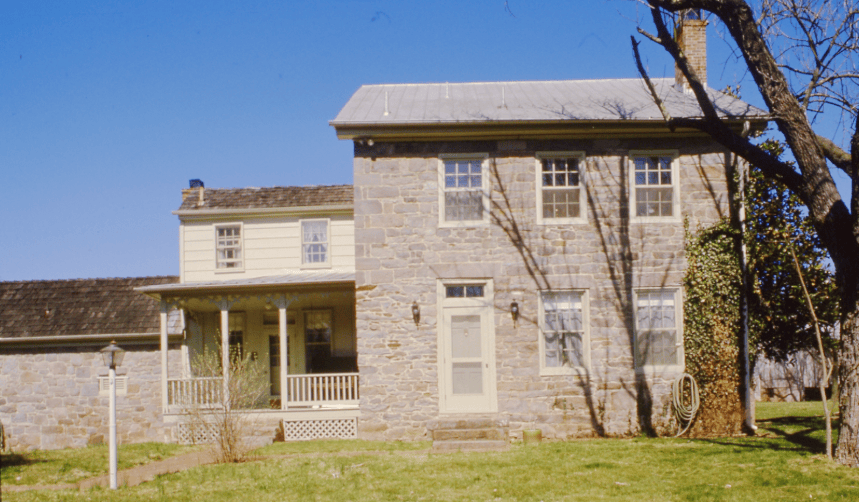
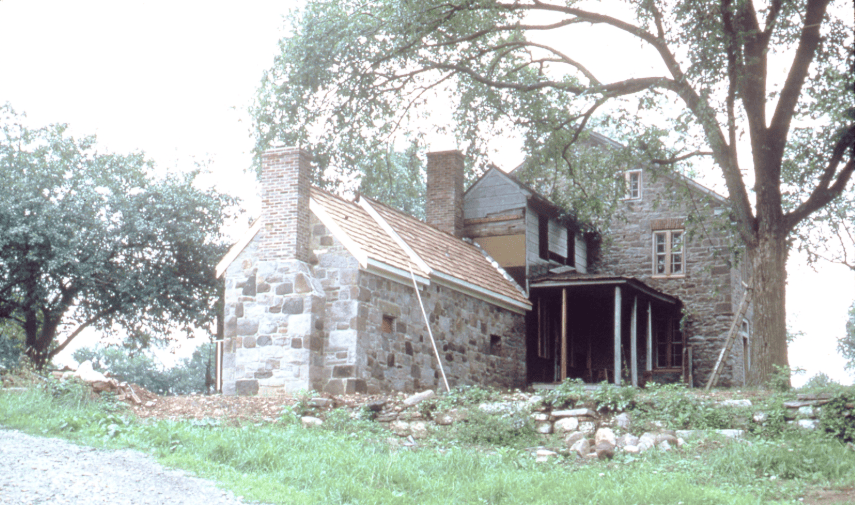
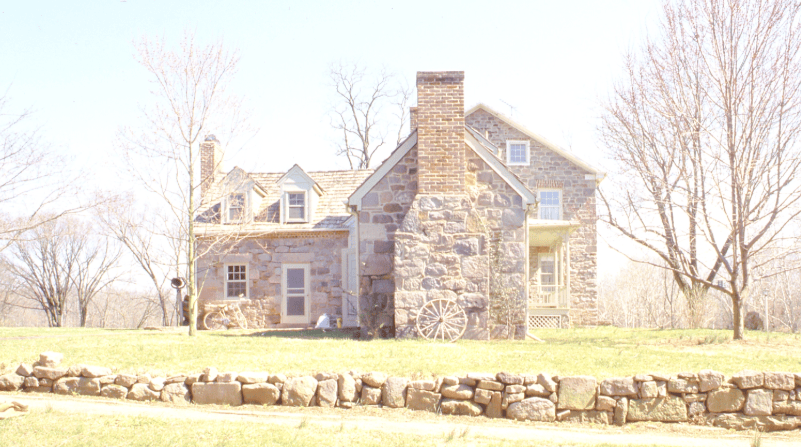
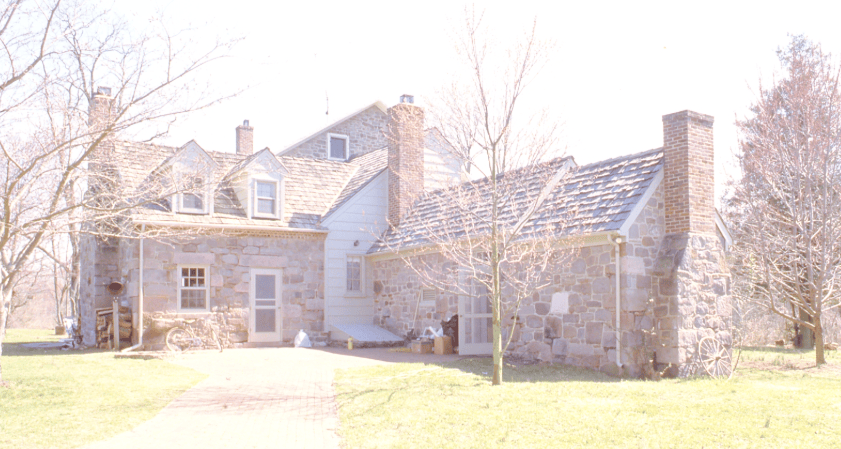
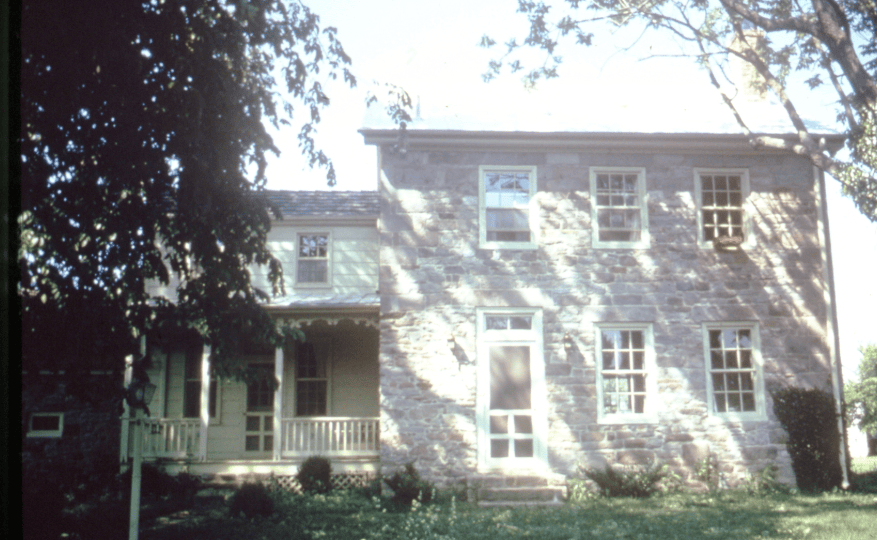


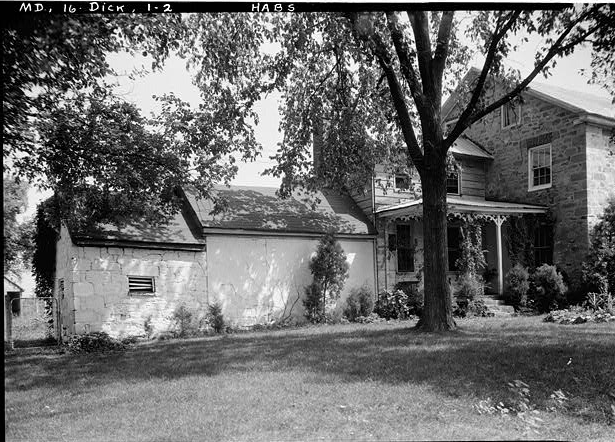
In September 1862, Confederate General Stonewall Jackson was nine months away from his mortal wounding on the battlefield when he paid a visit to the Gott estate on a hill overlooking the Little Monocacy River just down the road from the village at Dickerson. Of course, he didn’t know that yet. Having crossed his troops into Maryland over the prior 24 hours, the home (and the prospect of a warm meal) was probably a welcomed site. It helped that the home’s owner (likely Mary Elizabeth Trundle Gott, who was the widow of Richard Gott), was a southern sympathizer, with four daughters who had married men fighting for the confederacy. We can only guess at the conversation Jackson had with his hosts.
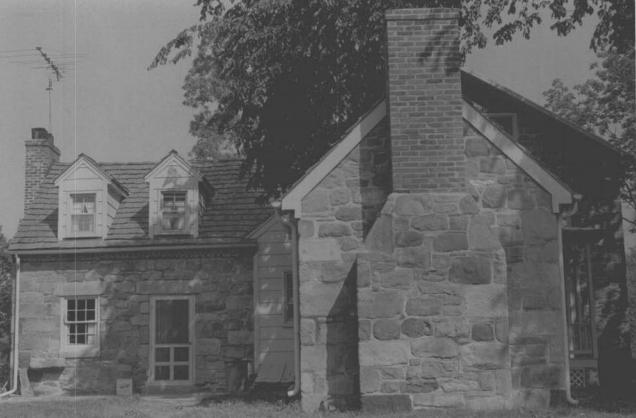
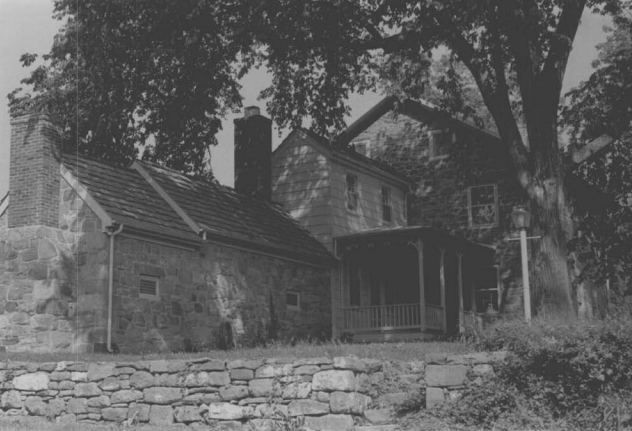
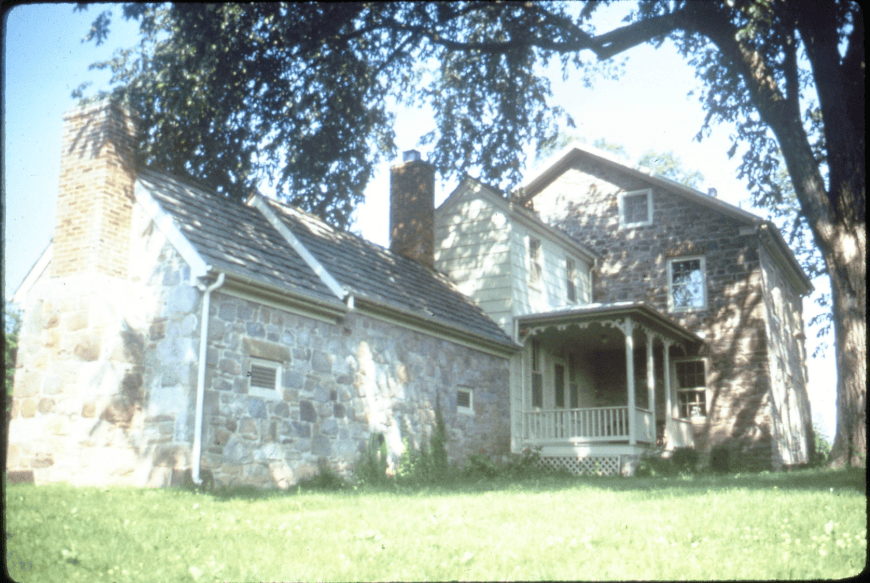
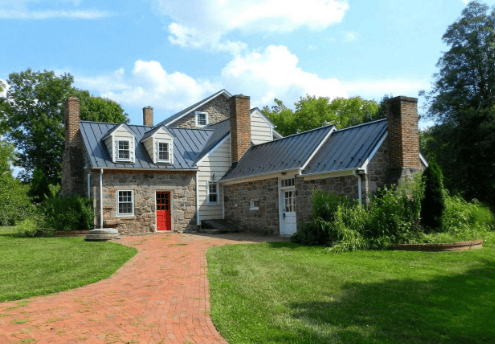
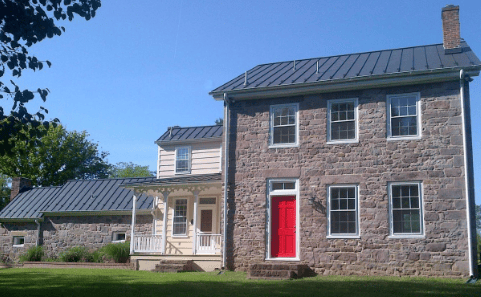
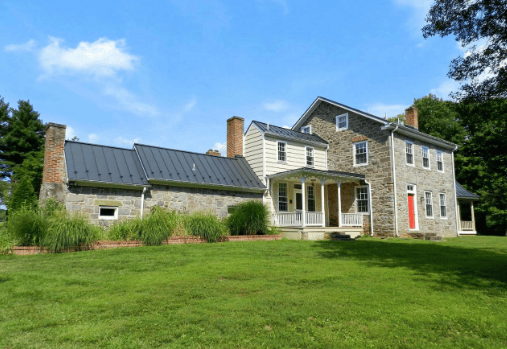
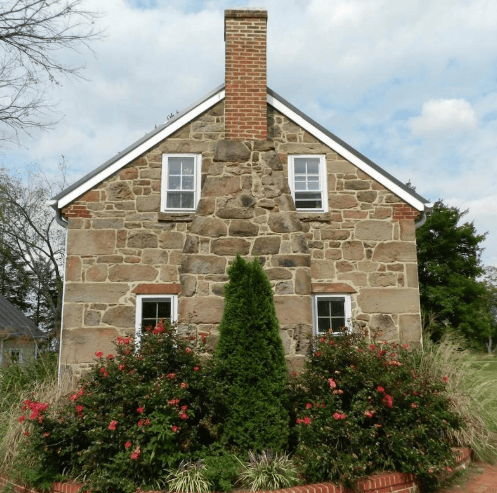
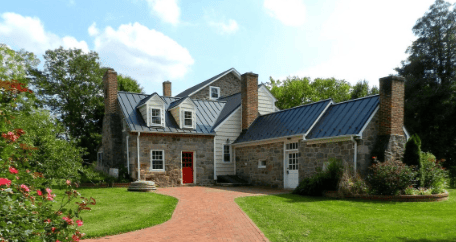
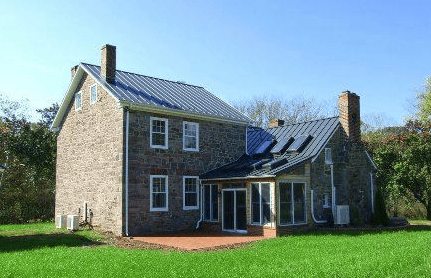
Mt. Carmel, located in Dickerson, is very possibly the oldest home in the Ag Reserve (and potentially all of Montgomery County). The main section of the home was built in the late 18th century (records point to 1759 as the home’s construction date, but it’s unclear which section of the home this date pertains to). Through the 18th century the home was owned by Thomas Veatch, a Justice on the County Court. Thomas used the land around Mt. Carmel to grow tobacco and based on 1790 census records, he owned at least nine enslaved peoples.*
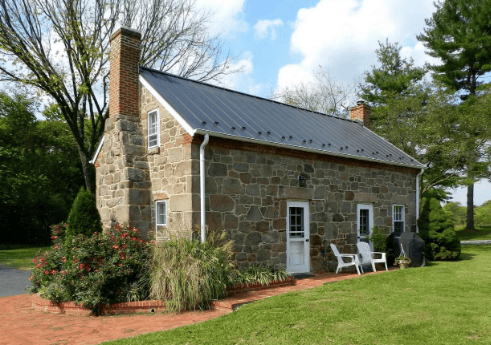
The home was passed to two successive generations of Veatch women, who had married into prosperous local families – the Trundles and the Gotts. In the early 1830s, Mary and Richard Gott inherited this home, building a duplex slave quarters on the property in 1833 and a gristmill (known as Gott’s Mill) on the Little Monocacy River, just below the home.
The home’s location near the Potomac and along a main route from DC to Frederick brought many Union and confederate soldiers past the home. Hence the aforementioned visit from Stonewall Jackson on 6 September, 1862. In addition, there was clearly some type of skirmish near the property, as minnie ball bullets have been found in the walls. The home was also frequently searched by Union soldiers looking for contraband, likely a result of the residents’ ties to the confederacy.
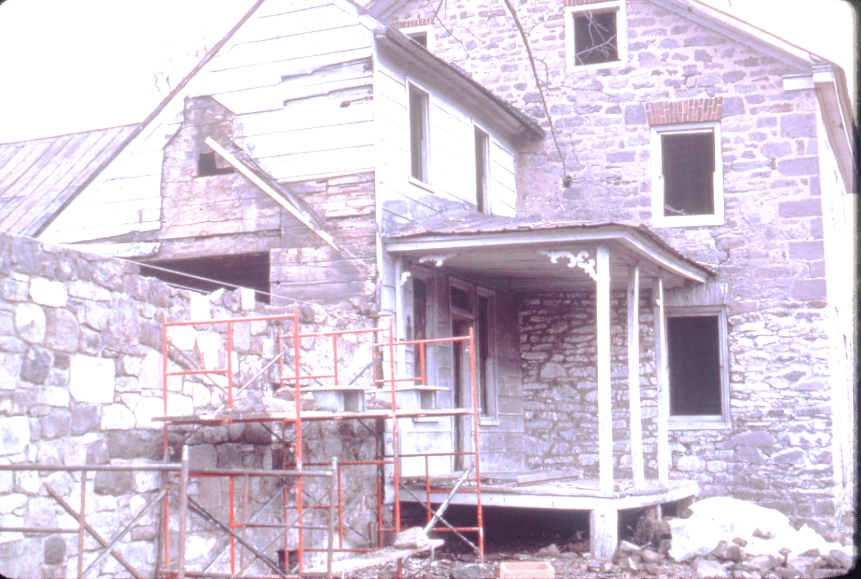
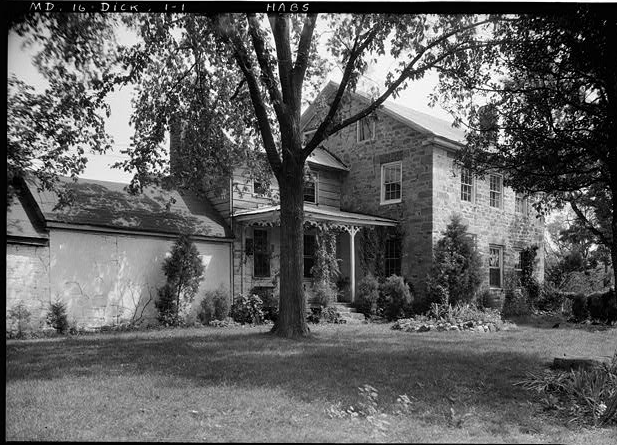
The mill remained operational until 1910 and the home has changed hands a few times over the last century. Mt. Carmel was featured in the 1933 Historic American Homes and Buildings study, resulting in the black and white pictures from that time. Additionally, based on pictures and some written record, Mt. Carmel underwent some extensive renovations in the late 1960s. The home last sold in 2015 and as can be seen, the exterior of this important historic home has been restored to nearly original condition.
* I’ve digging through census records, especially the slave schedules from 1850 and 1860, in an effort to learn more about the enslaved peoples who worked the land here in the Ag Reserve, but it’s a tedious effort. I hope to reveal findings at a later date.

