The Harris Family has deep roots in the Comus and Dickerson areas, especially towards the base of Sugarloaf Mountain. A number of still standing historic homes in that part of the Ag Reserve were built by members of the family. The roads in this area were always rustic and they remain so today. And while these roads have never been busy with traffic, Ephraim Harris (1836-1888) recognized a unique opportunity during the Civil War.
Because of Sugarloaf’s summit offering a great vantage point to observe troop movements, especially along and across the Potomac River, the mountain was key terrain for the Union Army. As a result, these rustic country roads saw frequent troop movements. Setting up a market at the intersection of what is now Mt. Ephraim and Harris Roads (I don’t think the names of the roads are a coincidence!), Ephraim was able to make good money from passing troops. In fact, the small crossroads was soon a thriving financial pocket with a restaurant, blacksmith shop, stables, and a few small homes. As the story goes, Ephraim actually built a portable still to better enable him to sell liquor to troops. While this is hard to confirm, we do have historic records from the late 1800s showing that an inventory of the restaurant really only consisted of 177 gallons of whiskey, leaving a historian to note that the restaurant was more likely a saloon.
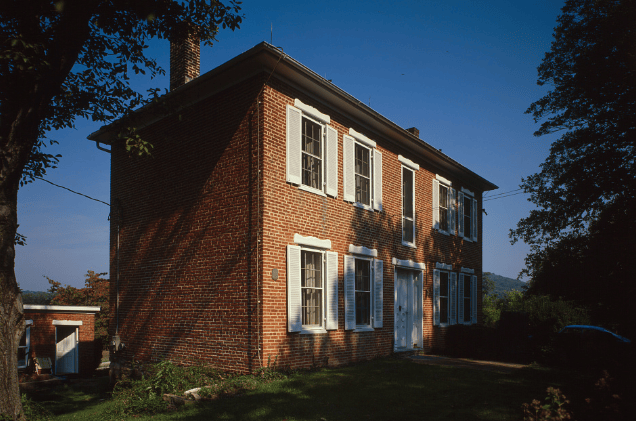
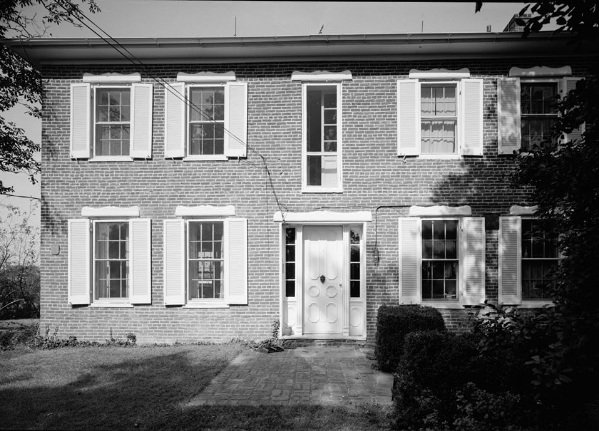
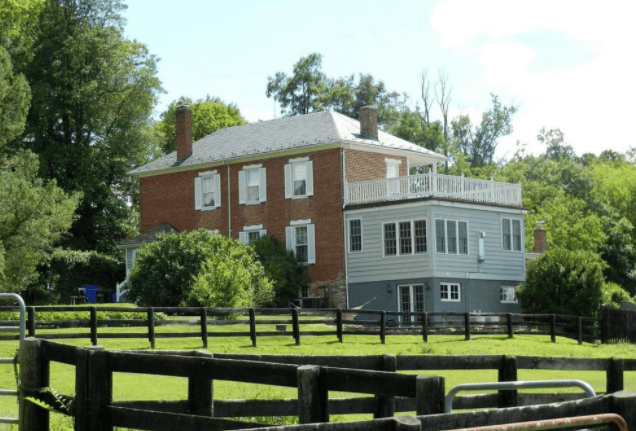
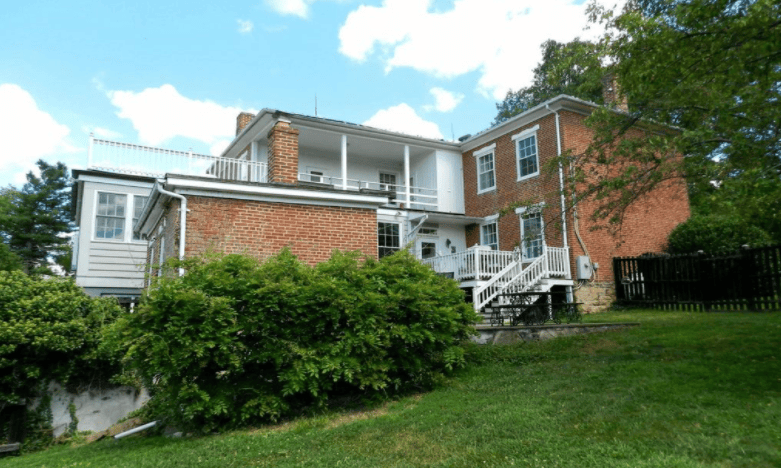
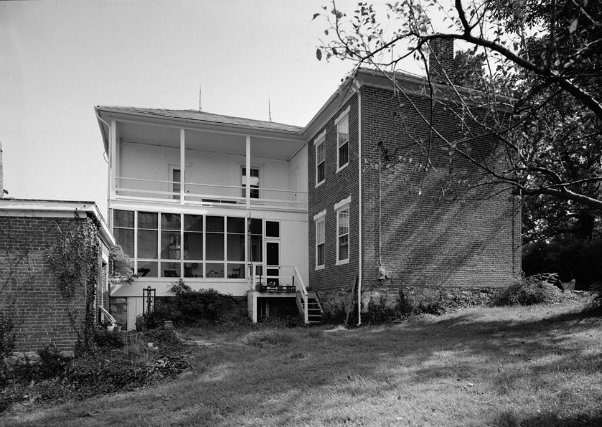
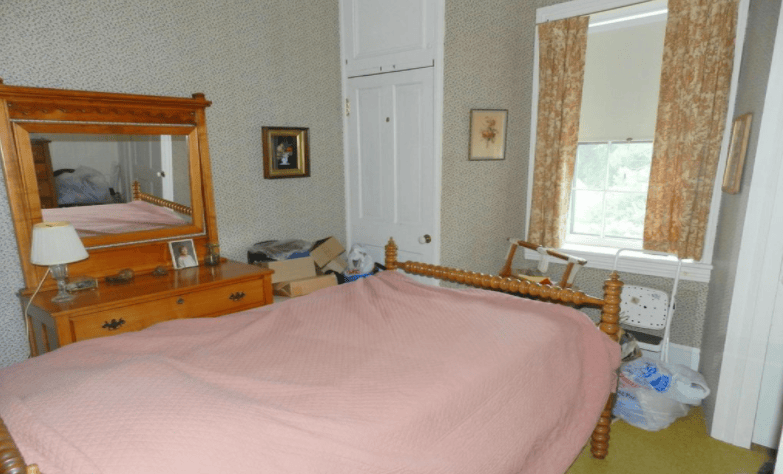
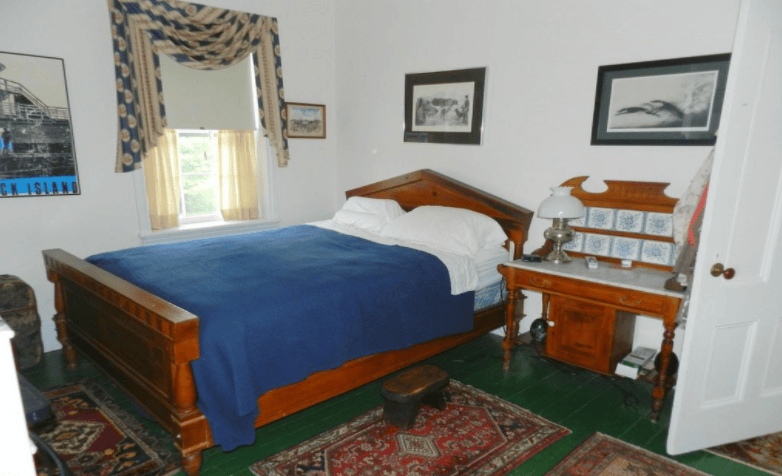
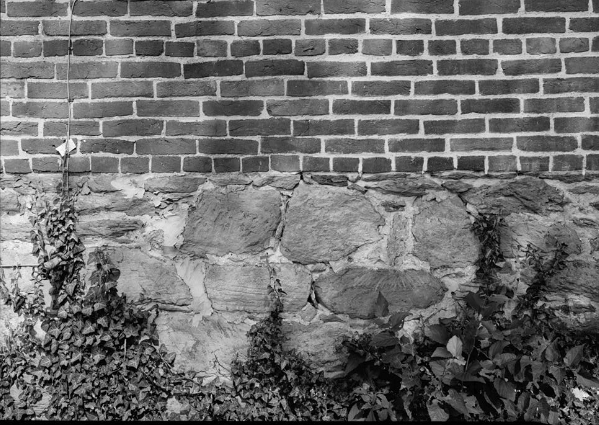
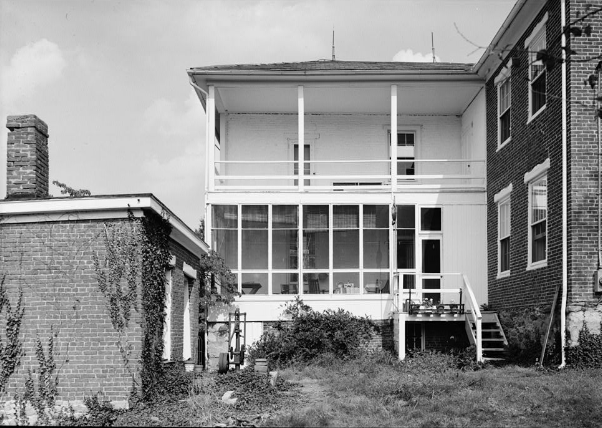
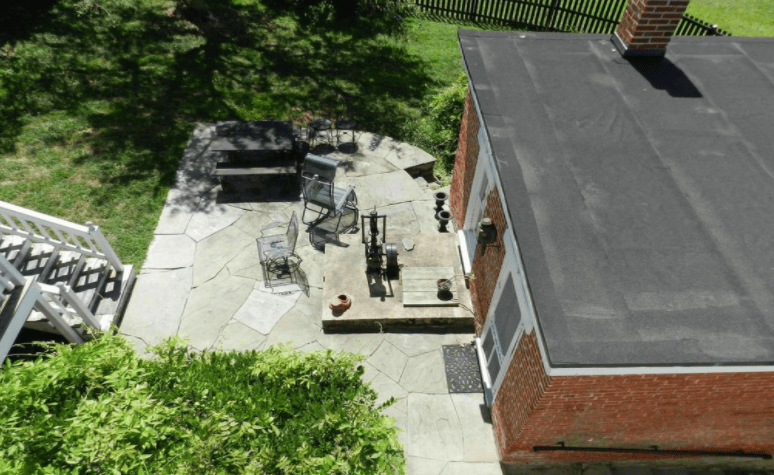
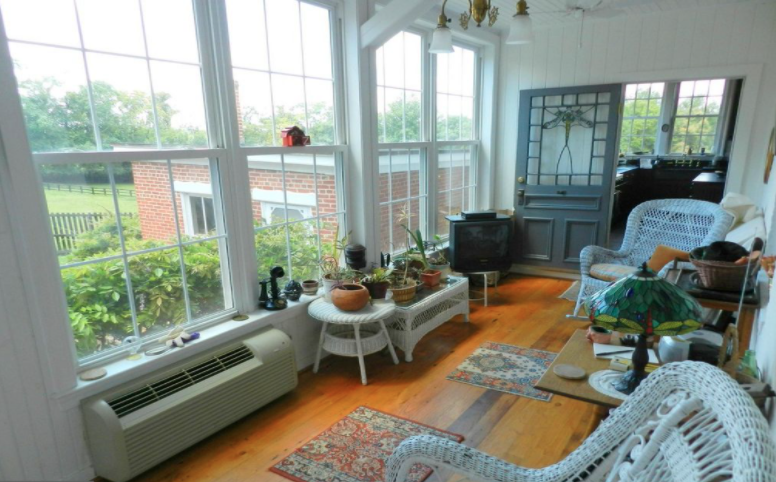
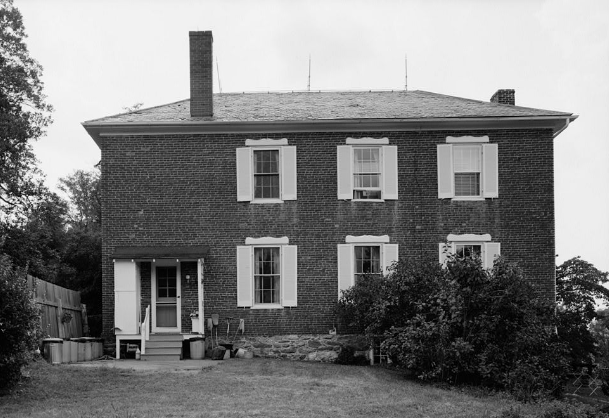
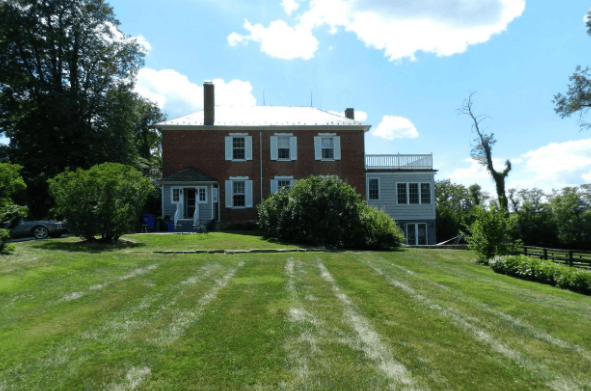
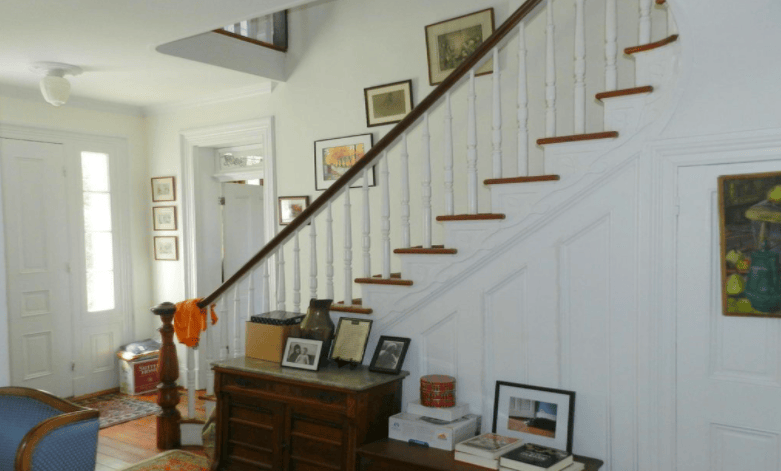
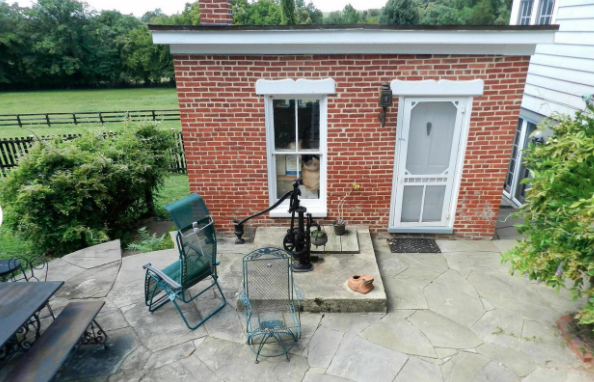
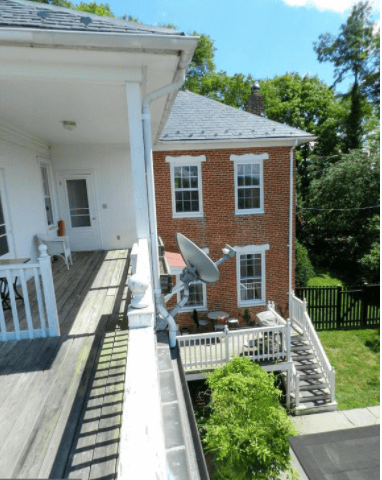
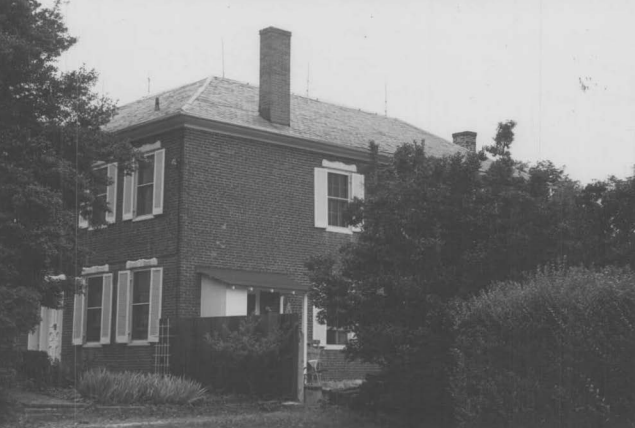
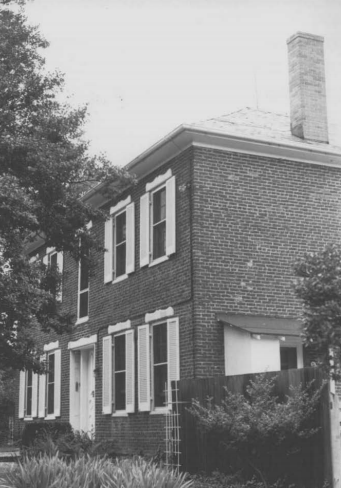
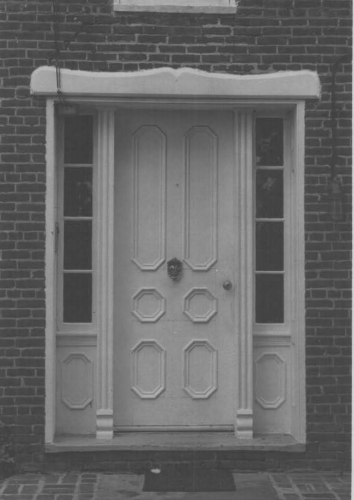
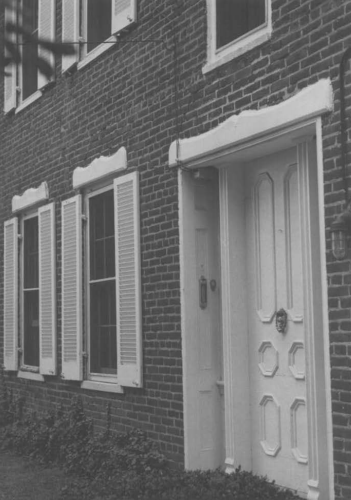
Following the war, Ephraim was able to use his wealth to build his impressive home right next to his marketplace. Completed in 1868, the Mt. Ephraim home is relatively simple in design but clearly constructed with details in mind. It is said that there were many Victorian features on the home, but they were mostly removed during a renovation in the 1940s. Immediately behind the home is an interesting brick structure that is thought to have been a summer kitchen.
The home was sold out of the Harris Family in the late 1800s or early 1900s and has been cared for by a number of owners since then. While the small crossroads community of Mt. Ephraim is largely gone, Ephraim’s home stands as a reminder of post-war wealth (a rarity).

