By all accounts, Alexander Whitaker was wealthy. Born in 1746 in Prince George’s County and arriving in this area sometime around the period of the Revolutionary War, Alexander served as the local tax assessor in the 1780s and 1790s. Using his wealth to purchase property, we have multiple deed records showing his property purchases throughout the last 30 years of the 18th century – much of which was land that now makes up the western end of Poolesville (think of the area around the public pool and St. Peter’s Church).
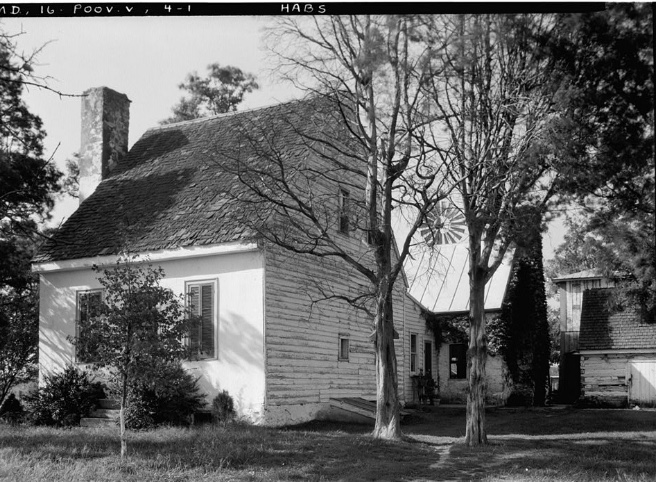
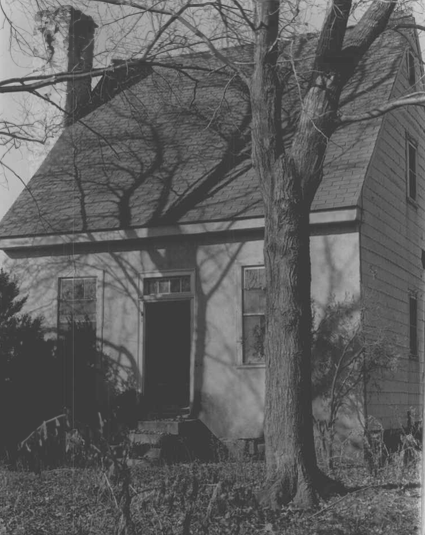
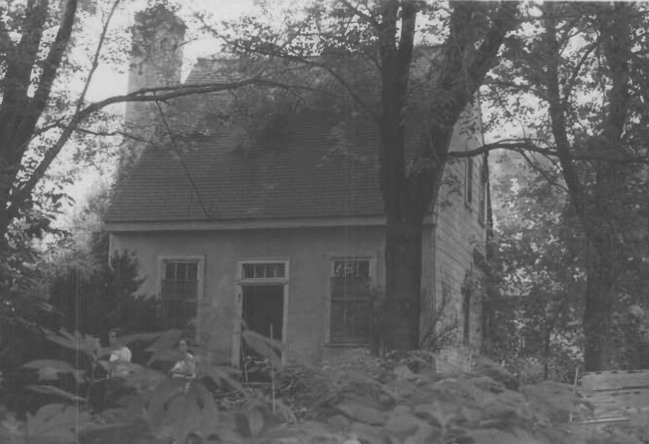
Consolidating multiple tracts of land into a single parcel that he called “Mt. Pleasant” in 1797, it was here that Alexander built his home (although it’s possible the home was actually built some years prior to the land consolidation). The home, built in what is referred to as the “tidewater” architectural style, resembles homes of the time but typically built closer to the shore. In fact, the only other example of a home in the Ag Reserve with similar features that I can think of is the John Poole House.
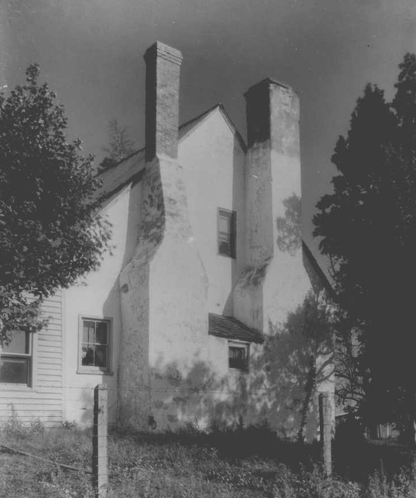
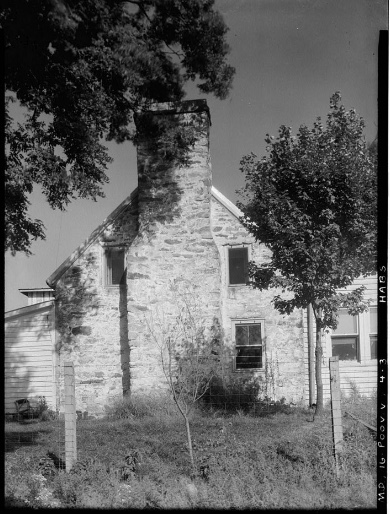
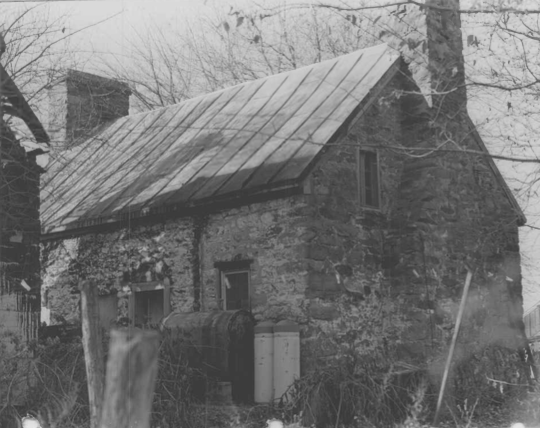
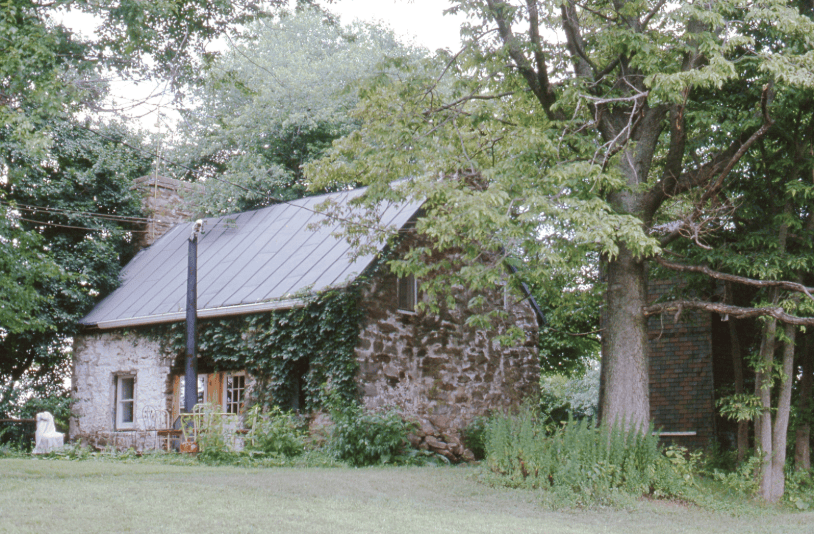
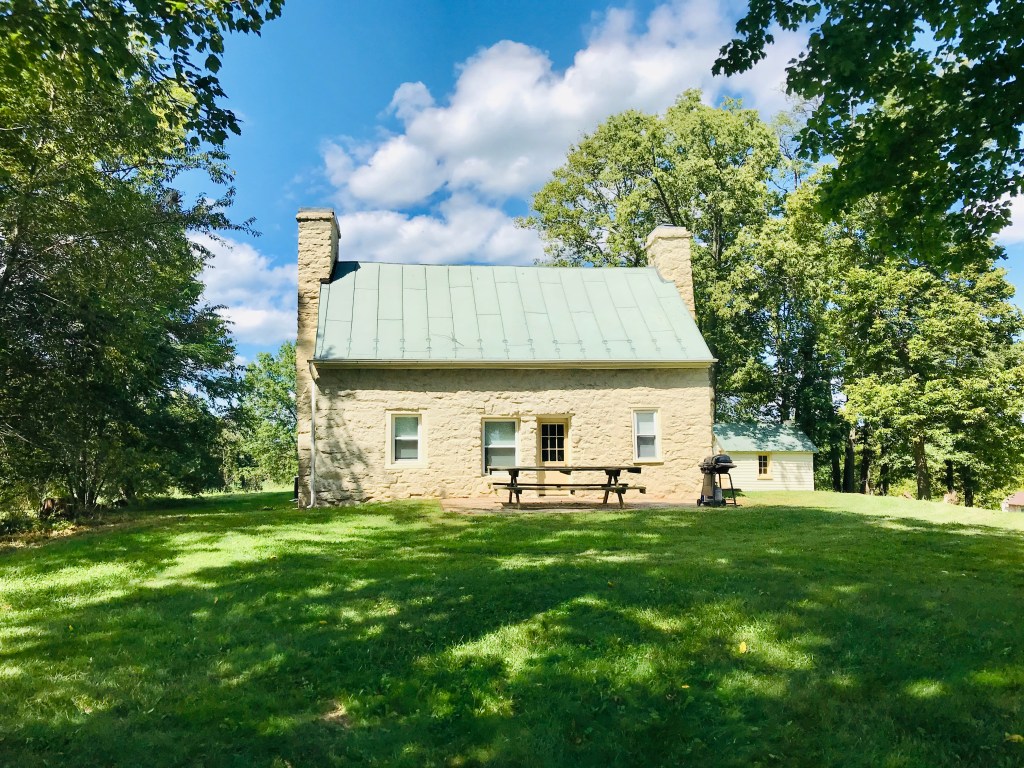
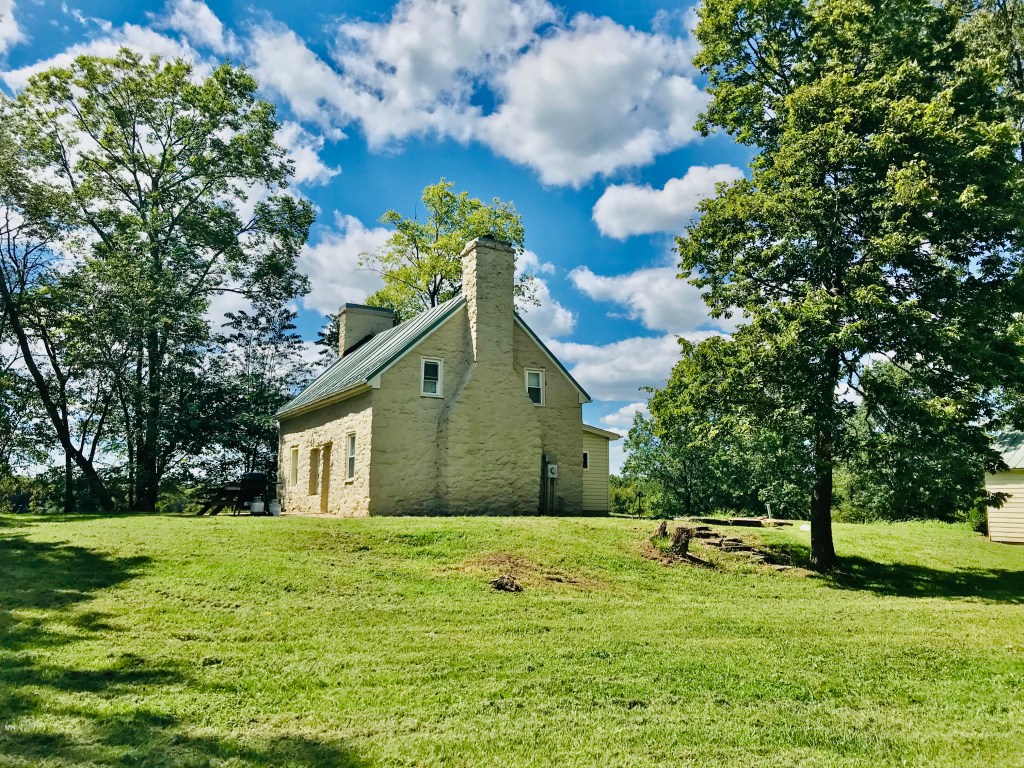
Alexander’s main home, built of logs, had a stone building to its rear that was connected via a passage hallway. The stone structure – the only part of the home that remains standing today – was almost certainly the kitchen for the main home.
Following Alexander’s death in 1824 and his wife Hester’s death in 1833, the property passed into the hands of the Cissel Family, who lived in the home through the Civil War. Many of the Cissel’s were buried on the property in a family burial plot but were reinterred to Monocacy in the late 1890s (probably when the property passed into the hands of new property owners). Interestingly, there is also indication that at least two confederate soldiers were initially buried on the property (their causes of death unknown) but likely moved at a later date.
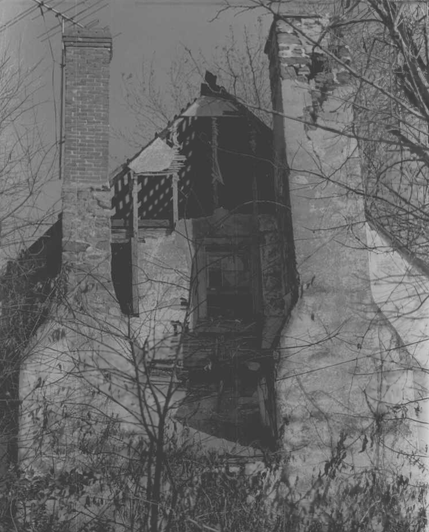
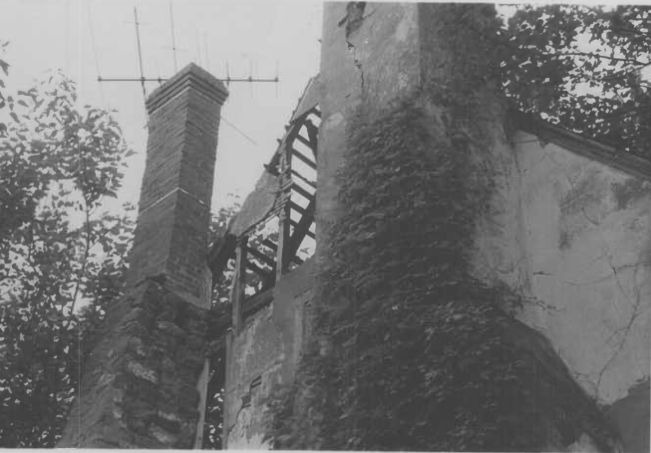
The home passed through various owners through the first half of the 20th century. At some point in the 1960’s or early 1970’s a fire caused significant damage to the main log structure and as a result, that portion of the home was demolished at a later date. Still standing, and beautifully restored, is the original stone structure – surrounded by open fields the probably have changed little since Alexander’s time on the land.

