Poolesville High School has long been a cornerstone of the community, its evolution reflecting the town’s growth, societal changes, and advancements in education.
Before a centralized high school existed, education in Poolesville was limited to small, one-room schoolhouses scattered throughout the area. These schools, heated by wood stoves and reliant on local families pooling resources to pay a teacher, provided only a basic education. Students typically left after a few years to work on family farms or enter trades. Education was also segregated, with African American children attending separate schools, including the Rosenwald School near Jerusalem, built as part of a national effort to improve Black education in rural areas. These segregated schools remained in use well into the 20th century.
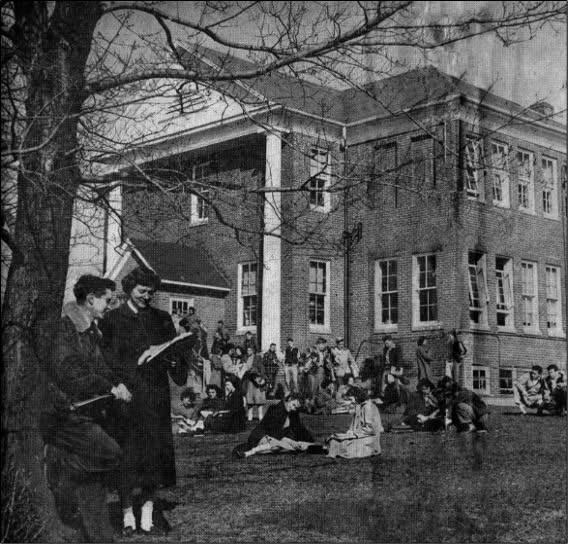
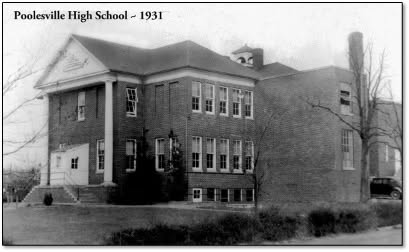
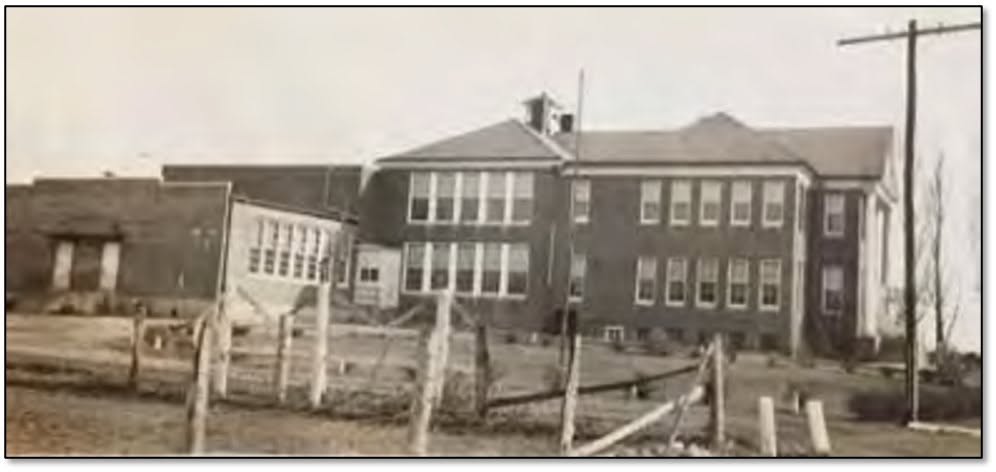
In 1905, local physician Dr. Wootton donated land at the corner of Wootton Avenue and West Willard Road for the construction of Poolesville’s first high school. The original two-story clapboard building was designed to maximize natural light, with large windows allowing sunlight to illuminate the classrooms. Over the years, the school expanded, receiving a brick exterior in the 1920s for better insulation and durability. Further additions were made in the 1930s with funding from the Works Progress Administration, as education reformers pushed for improved school facilities.
Despite these developments, the school remained segregated until 1956. When desegregation finally occurred, it was met with strong resistance. Protesters gathered outside the school, and police officers were required to escort the first Black students inside. Some white families kept their children home in protest, but integration moved forward, marking a significant and sometimes painful transition for the town.
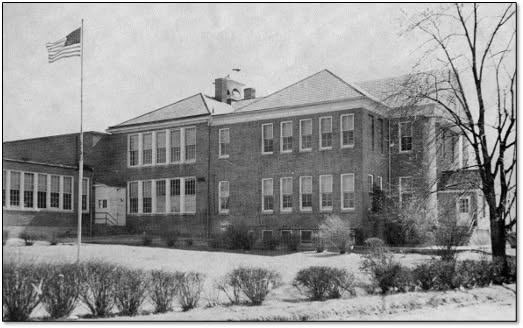
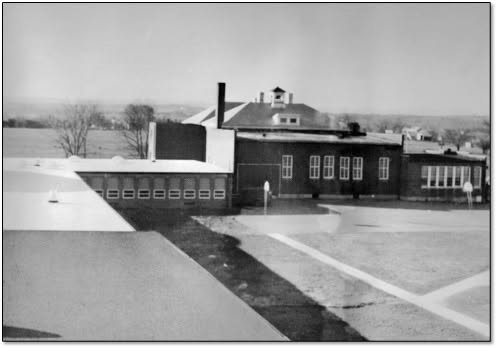
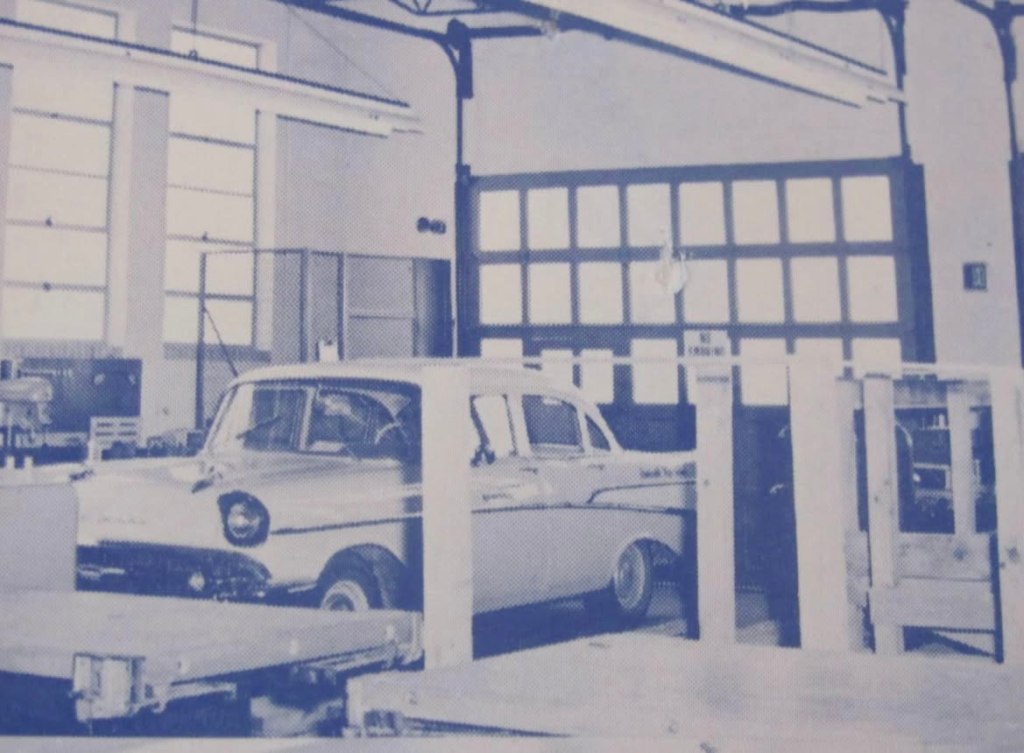
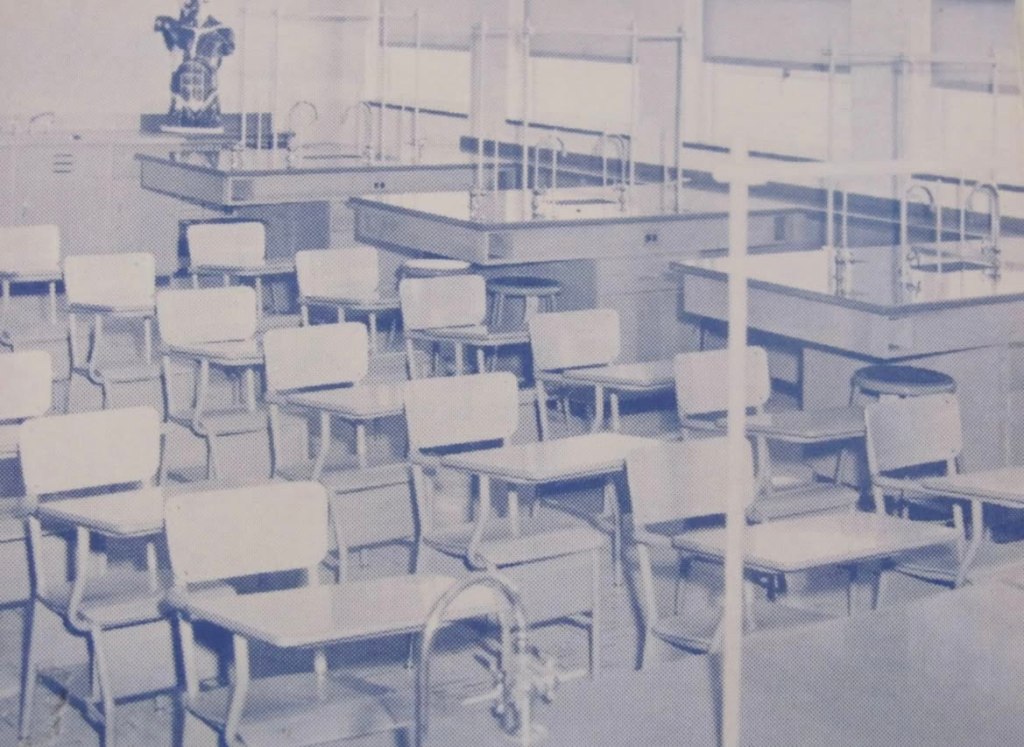
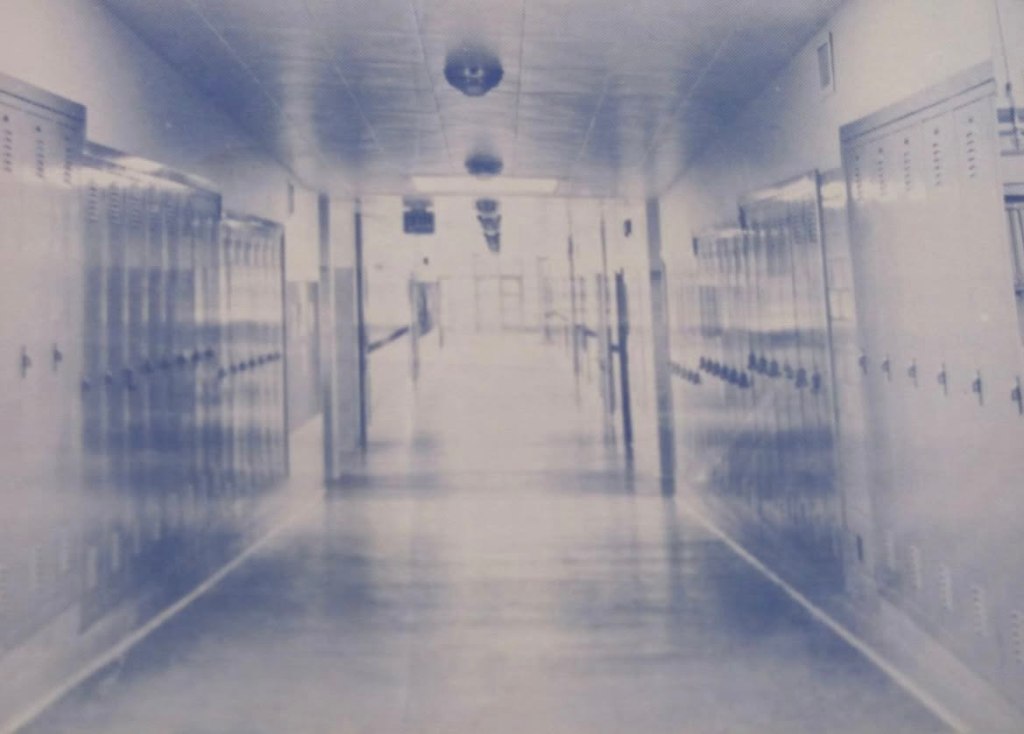
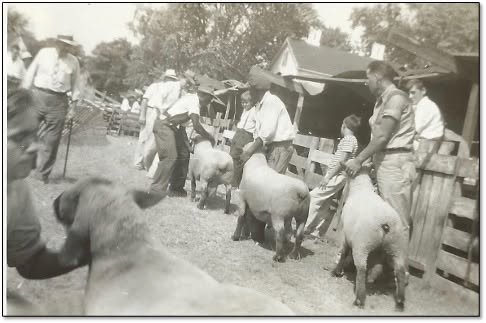
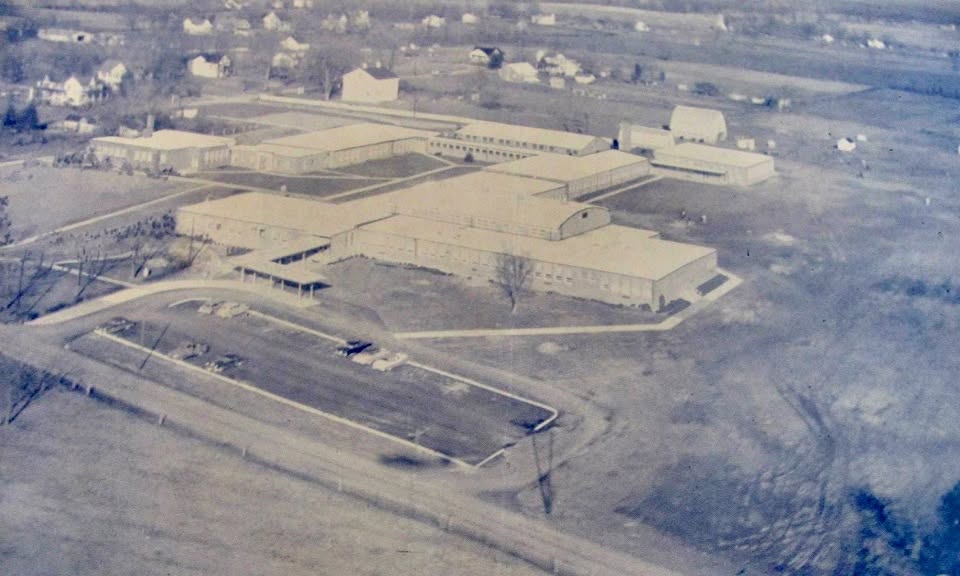
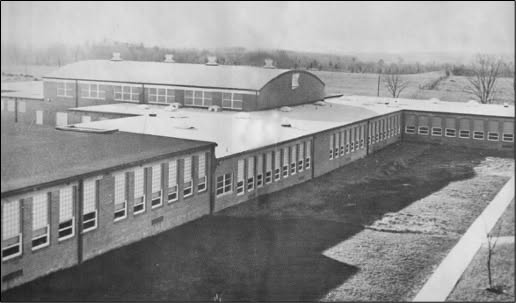
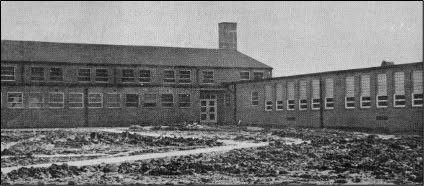
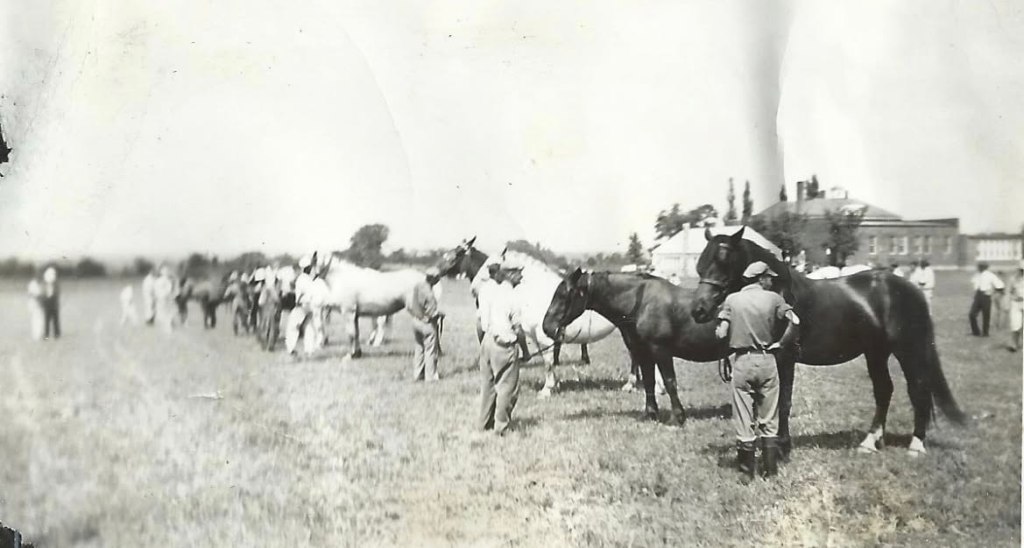
By the 1950s, growing enrollment, driven by the post-war baby boom, made the old school building inadequate. In 1958, a new, modernized school was constructed on the same site. Designed with more open space, larger classrooms, and improved facilities for science and the arts, it reflected changing educational philosophies. Over the next two decades, the school continued to expand. By the 1970s, Poolesville’s population growth led to the construction of a larger gymnasium, an auditorium, and vocational training spaces, including an auto shop and greenhouse. This period saw the school emerge not just as an educational institution but as a community hub, hosting events like the Poolesville Fair, which celebrated local agriculture and student achievements.
For over sixty years, Poolesville High School has been central to the town’s identity, but much of its infrastructure has remained unchanged since the 1970s. Recognizing the need for modernization, plans were set in motion for a new school that could meet the demands of 21st-century education. The new facility features open learning spaces, upgraded science and technology labs, expanded green areas, and an energy-efficient design that prioritizes sustainability.

