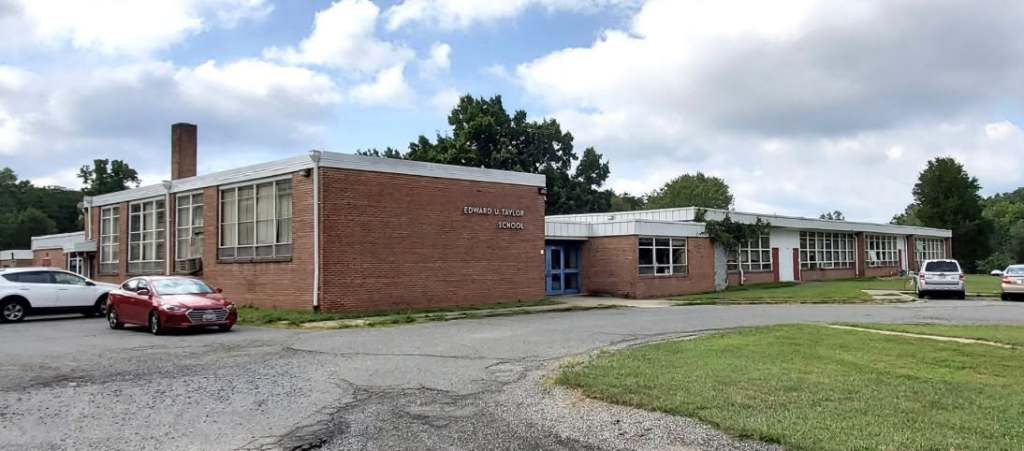
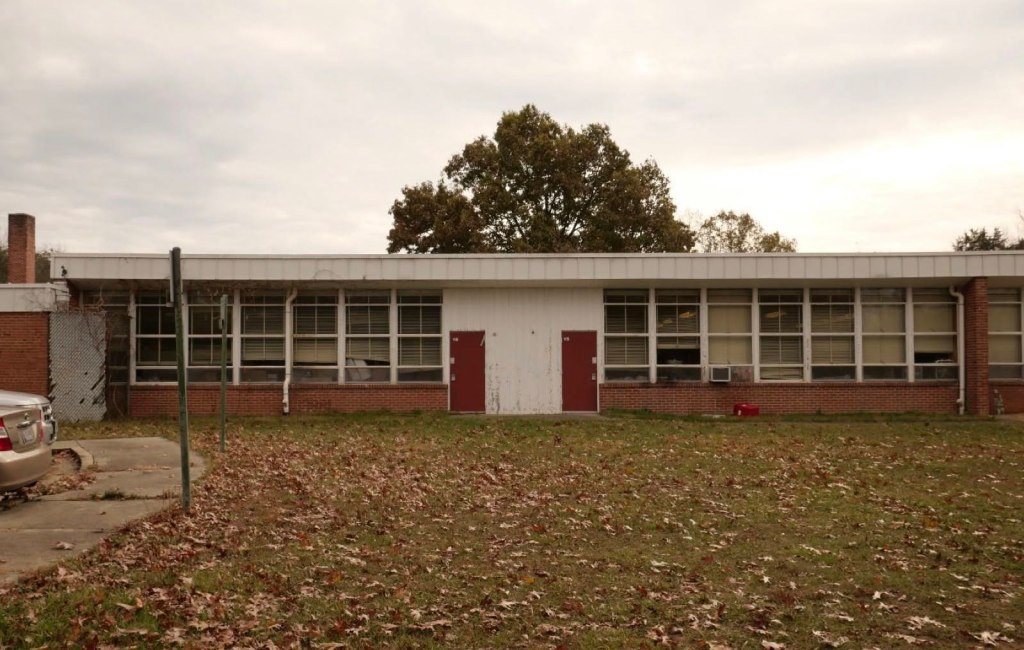
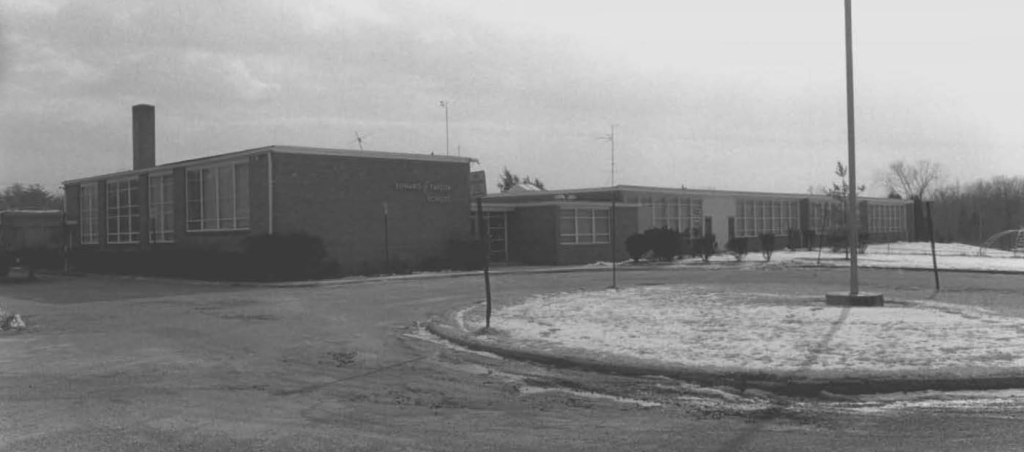
In the early 1950s, still under legalized segregation and the auspices of “separate but equal,” the Montgomery County School Board decided to build four new elementary schools in the county for African American students. Here in the Ag Reserve, this was a significant development. Opened in 1952, the Edward U. Taylor Elementary School in Boyds was celebrated by local African American communities who had been teaching students in mostly one-room schoolhouses since the end of the Civil War. For the first time, local African American children would all be taught in the same place and within a modern facility that for the most part was separate but equal.
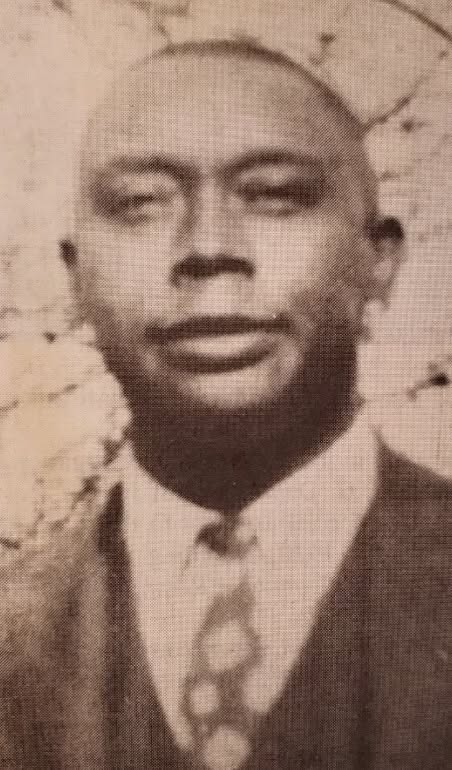
The school was named for Edward U. Taylor, a 1923 graduate of Howard University who from 1923 to 1951, served as the supervisor for African American education in the county. By all accounts, Mr. Taylor worked tirelessly to improve the educational opportunities available to African Americans across the county. Leading the charge to open the first African American high school in 1929 (located in Rockville), Mr. Taylor spent his mornings personally teaching the high school students and his afternoons checking in on the elementary schools across the county.
The completion of the new elementary school in Boyds bearing his name, in addition to the other three newly opened African American elementary schools in 1952, was truly the realization of Mr. Taylor’s dream. Unfortunately, Mr. Taylor’s untimely death in 1951 meant that he was not personally present to witness this realization.
Notably, in 1954, the US Supreme Court’s decision in Brown v. Board of Education found racial segregation in schools to be unconstitutional, paving the way for nationwide school integration efforts. Despite the ruling, it wasn’t until 1961 that Taylor Elementary would become integrated – one of the last schools in the county to do so. Interestingly, Taylor Elementary was the only school of the four new elementary schools to make the transition from segregated to integrated.
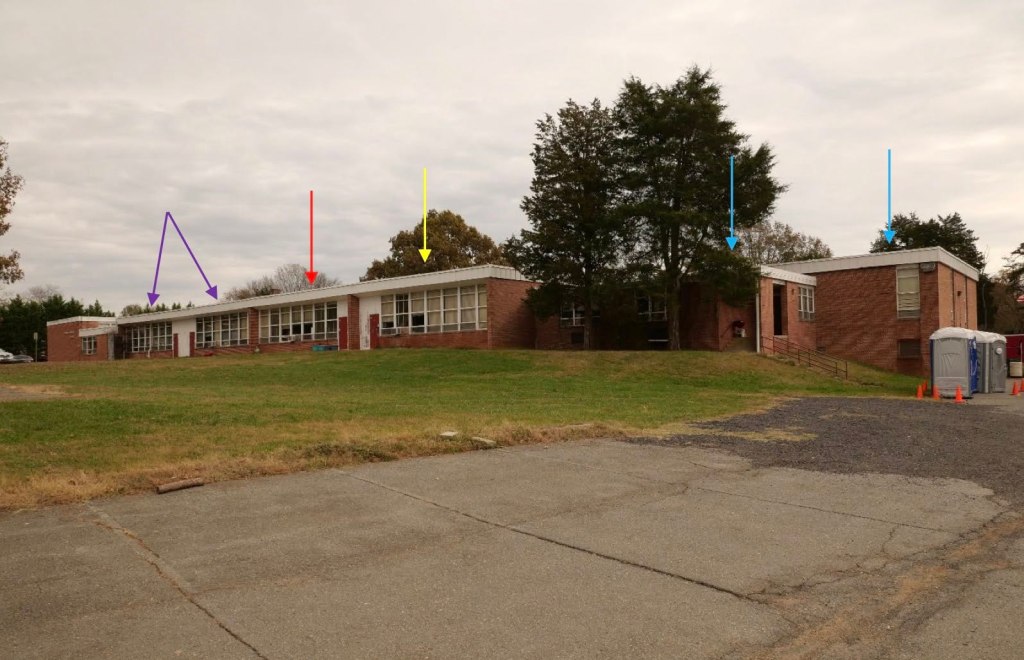
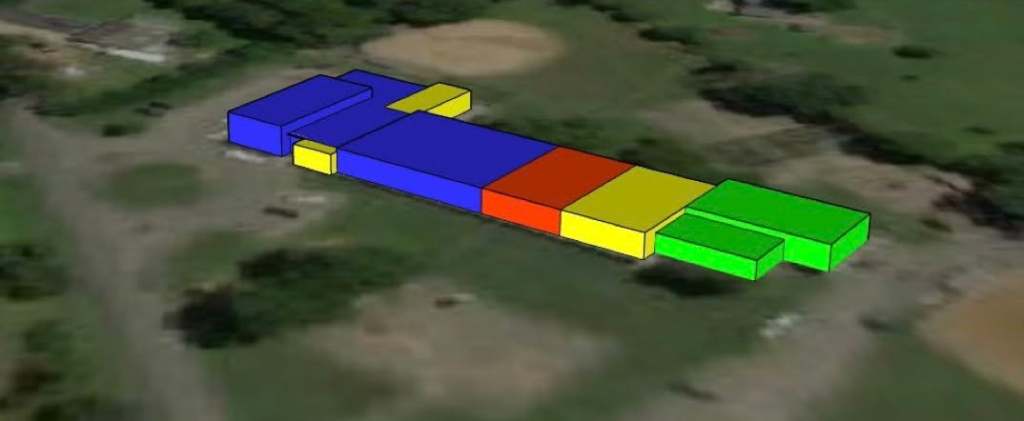
The school building went through a number of upgrades in the late 1950s and 1960s, bringing the school to 8 classrooms, a multi-purpose room, offices, a teacher lounge, a speech and language center, and a kitchen. Re-dedicated in 1969, the program pamphlet for the ceremony – to include speakers, bios of notable individuals, and a floorplan of the school – is available online at the Maryland Historical Trust website for interested readers.
Closed in 1979 due to low enrollment numbers, the building now serves as the Taylor Science Center, storing and processing science kits for Montgomery County Public Schools.

