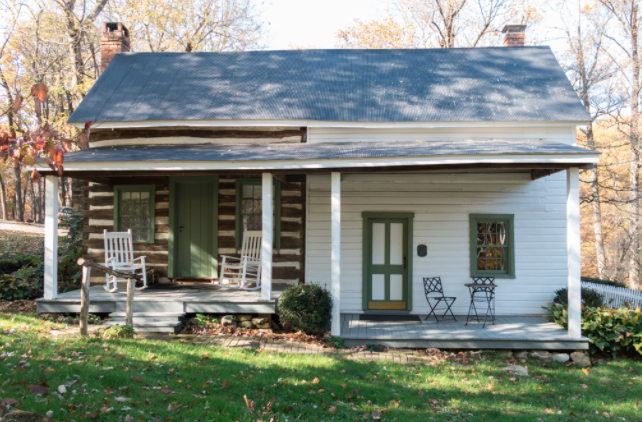
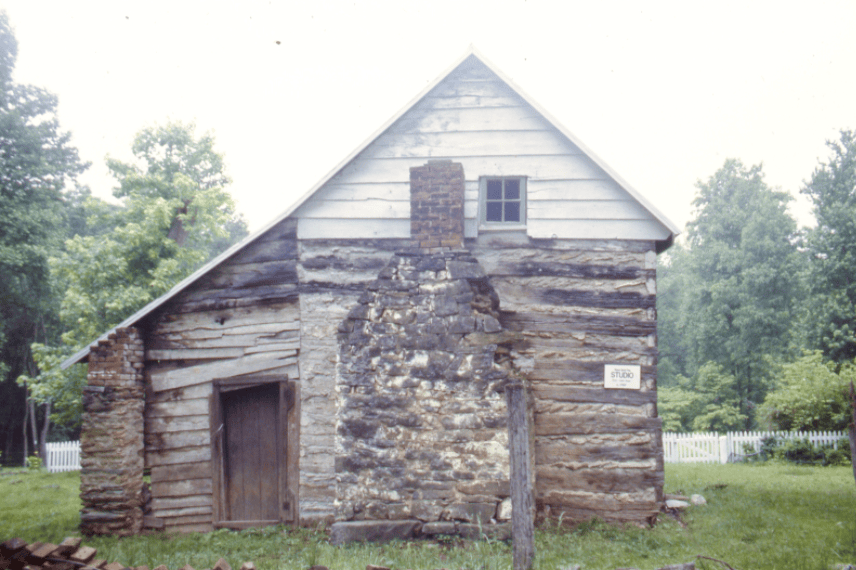
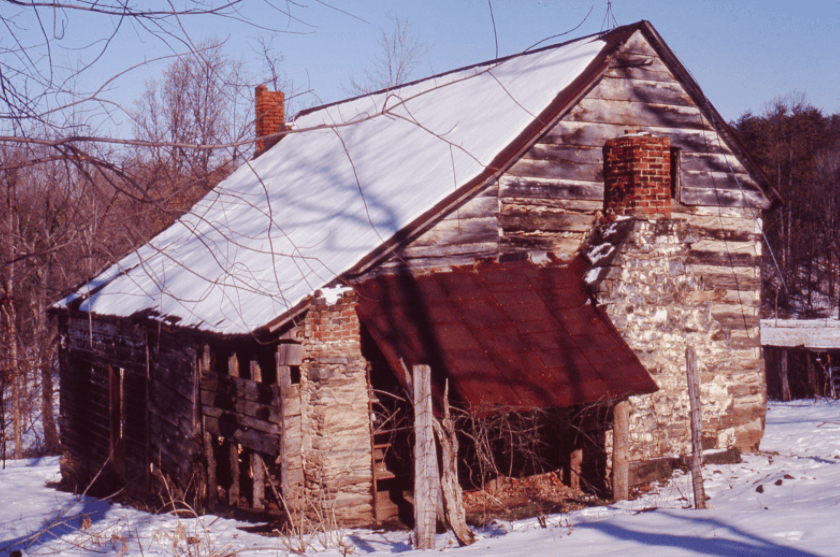
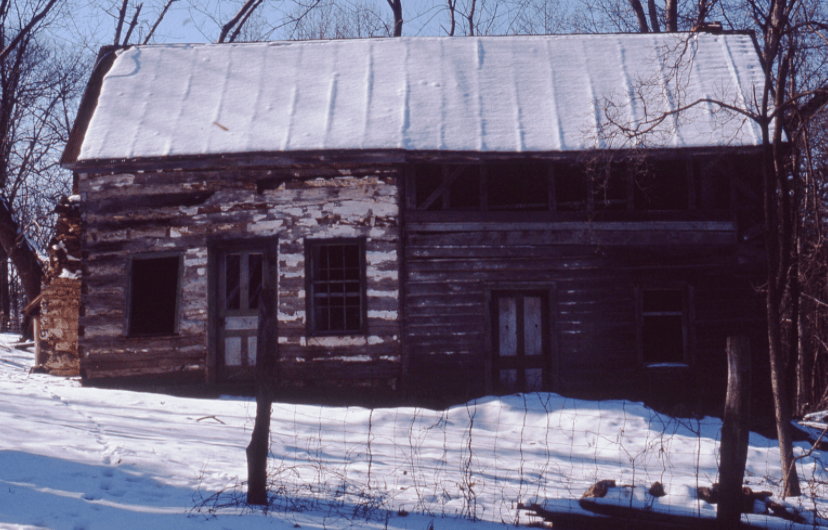
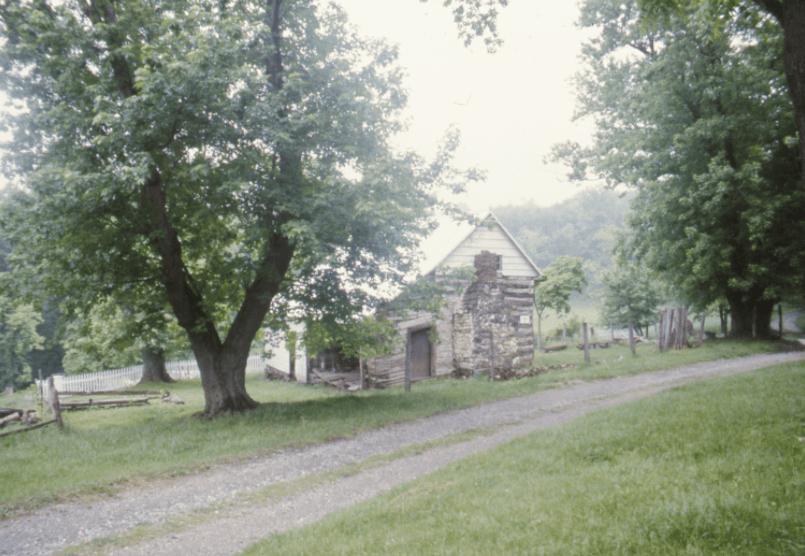
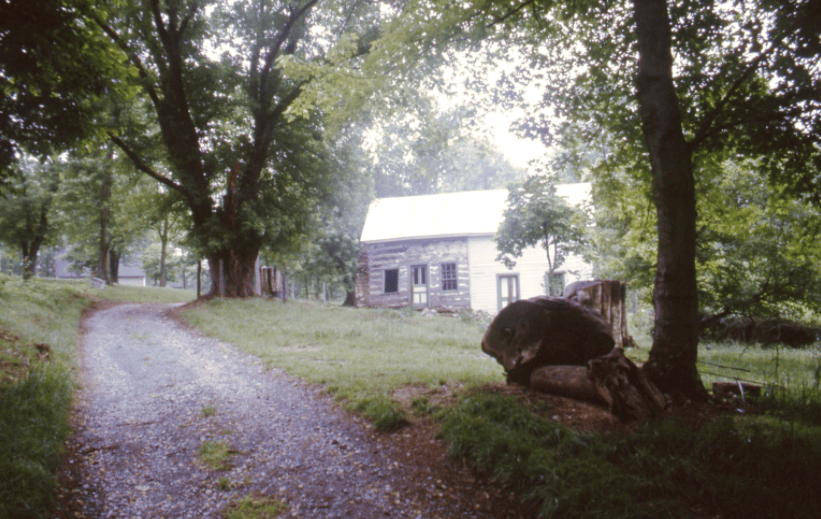
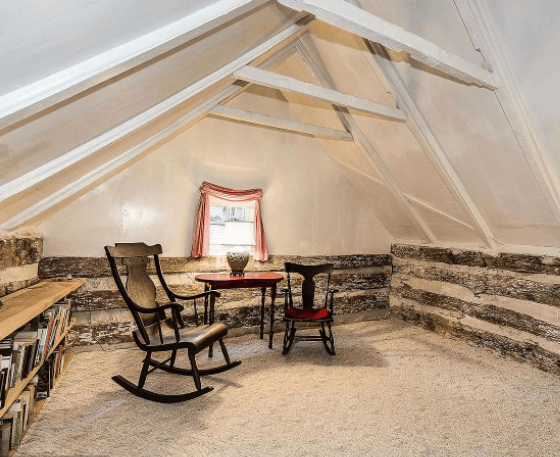
It’s hard to imagine what this land looked like when Thomas Drury moved here in 1768. A planter by trade, Thomas purchased 222 acres near Barnesville and got to work building his modest home. His one-room log home, built by felling surrounding chestnut trees, was certainly not glamorous, but provided everything Thomas needed to become somewhat prosperous. When he sold the home in 1784, “improvements included two [enslaved persons], Jack and Teresia (Teresa), one each horse, mare, cow and steer with calf, three hogs, two featherbeds, two tables with six chairs, three chests, three pewter dishes, ten pewter plates, none pewter spoons, one iron pot and a Dutch oven.”
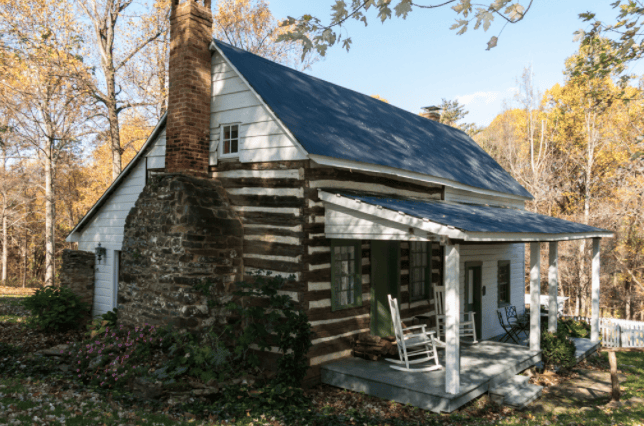
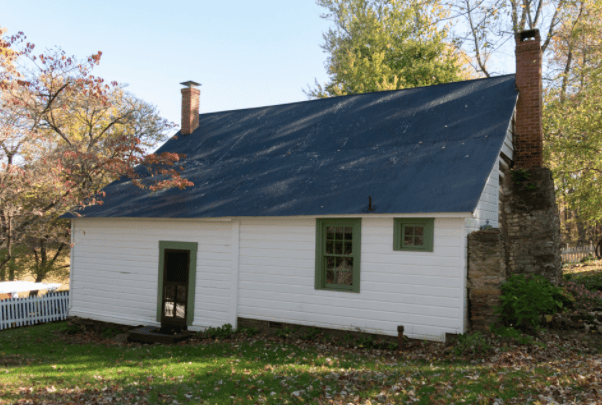
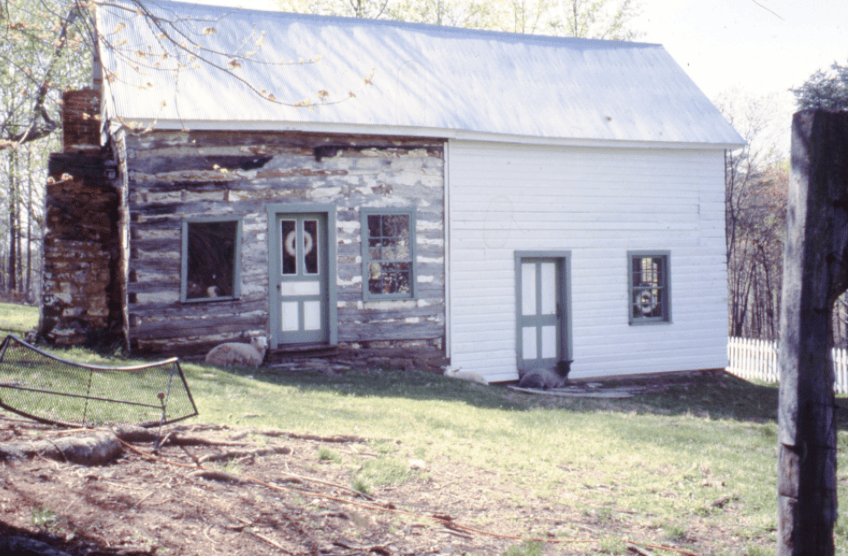
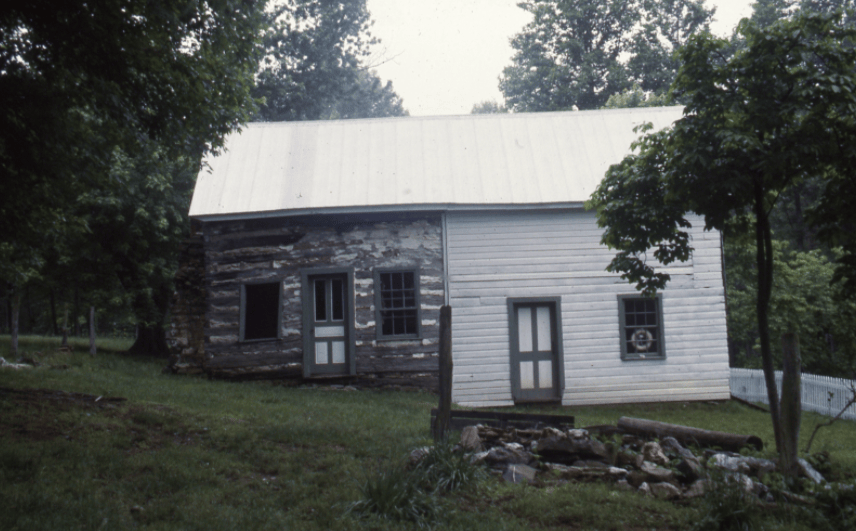
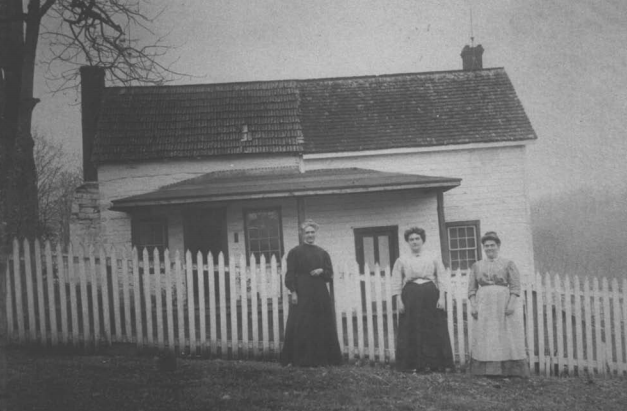
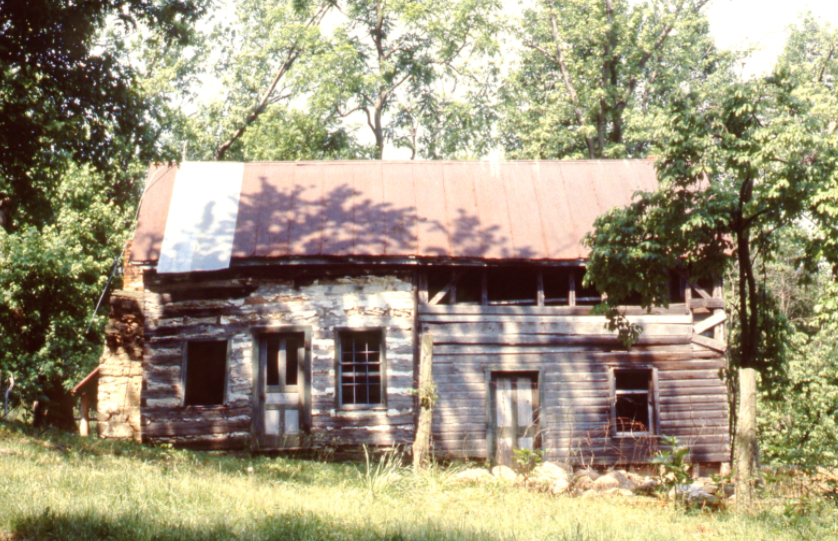
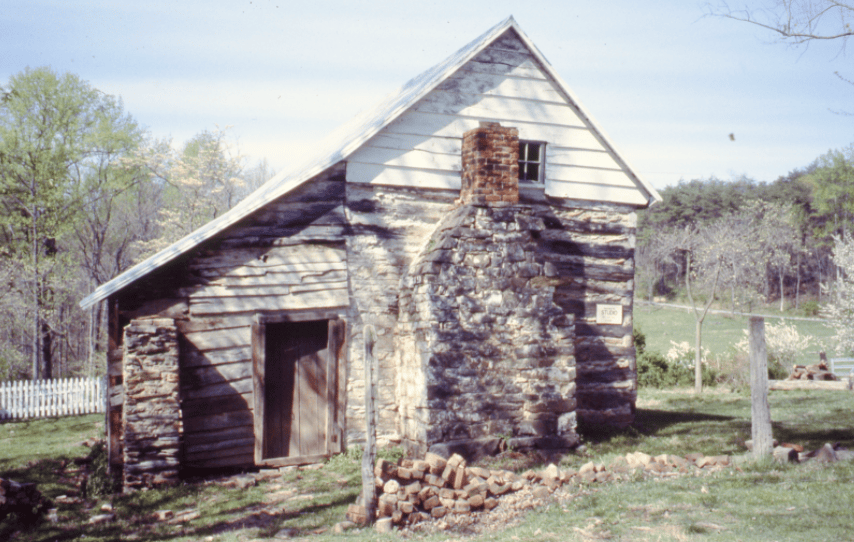
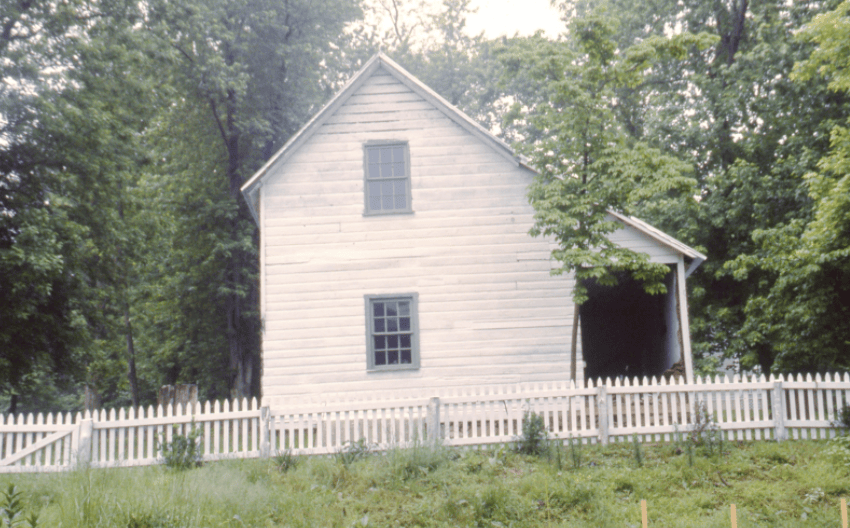
The home and property passed through a few hands before being purchased by John Austin in 1804. John immediately moved the log home 1200 feet to be closer to a natural spring and began construction on a frame addition to better suit the needs of his family. “The Austin’s used the stone fireplace in the log section for cooking and heating. This section had a dirt floor, but John Austin laid down t~-foot wide boards for flooring. Two barns, one for tobacco and one for stock, plus 8 carriage, spring and meat houses and a turkey shed were built.”
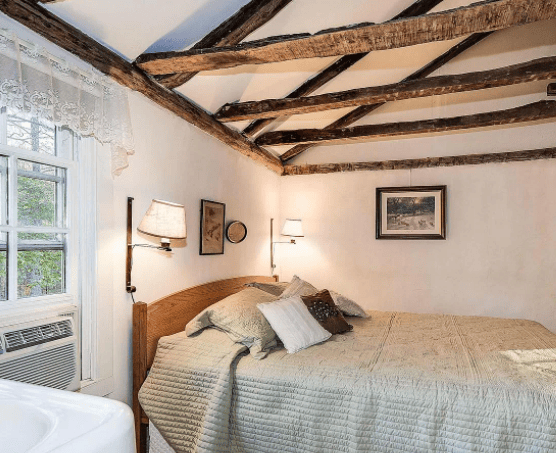
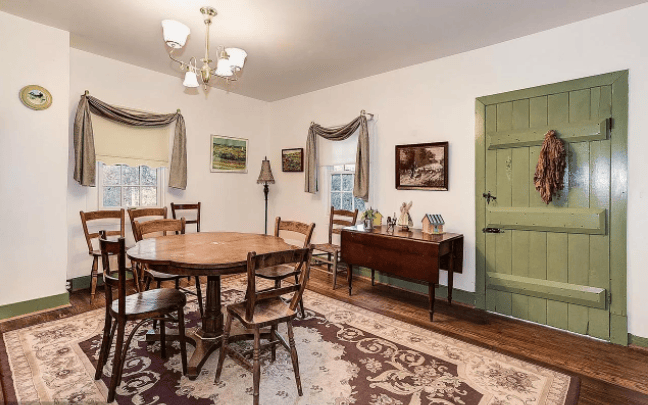
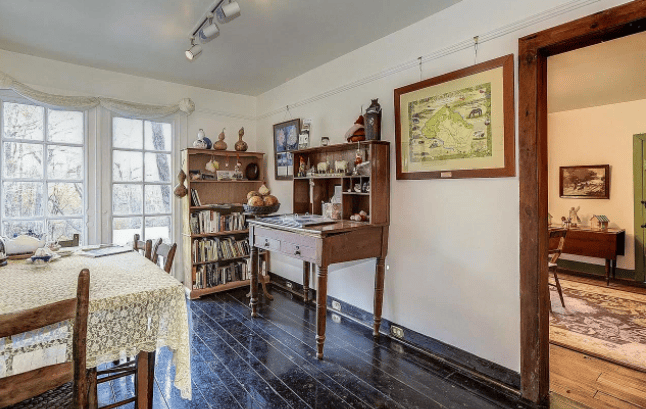
The home passed through 3 successive generations of Austin’s before being sold out of the family. In somewhat recent years the home was carefully restored to its early 1800s condition.
“The Drury/Austin house and land is a microcosm of life in Montgomery County’s earliest years. English settlers found the land to be rich in virgin timber and good soil. They cleared the trees, a small area at a time using their own and slave labor, and built housing and fences with chestnut logs. They planted tobacco, but the soil was thin and rapidly depleted. It was difficult to make a living; the house shows few signs of gracious living.”
“This house provides an unusual and valuable opportunity for the study of early local vernacular architecture. Substantially unaltered from its original 1768 condition, the log section of the house provides a clue to understanding early building methods as well as a link to the 1793 John Poole House in Poolesville, approximately 15 miles wet. Through the centuries the old house has retained its original character.”
(Quotes courtesy of the National Register of Historic Places write-up: https://mht.maryland.gov/secure/medusa/PDF/Montgomery/M;%2018-42.pdf)

