In reviewing and trying to better understand the history of the Ag Reserve and its properties, it’s incredibly important that we acknowledge and share all of its complexities. In 1860, 5400 of approximately 18,000 (30%) Montgomery County residents were enslaved African Americans. Many worked in the fields or large old estates we drive past each day.
Following the emancipation of slaves in Maryland in 1864, and the conclusion of the Civil War in 1865, many of the now freed African Americans bought property and built homes. In turn, African American communities were formed – the most notable in Poolesville being that of Jerusalem and Jonesville (both communities still have residents who are direct descendants of the first settlers in the communities).
Jonesville is named for the community’s earliest residents: brothers Erasmus and Richard Jones. Erasmus and Richard bought approximately 9 acres in 1866 from the Aix la Chappelle estate nearby (it’s possible but uncertain whether the Jones’ worked on this large estate at some point in time).
Throughout the late 1800s and into the early 1900s more African Americans came to the area and built homes of their own, establishing a thriving and self-sufficient community – still present today!
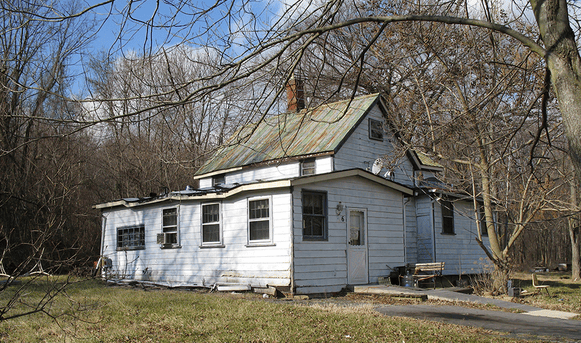
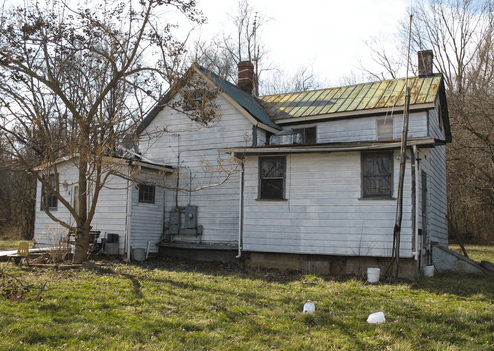
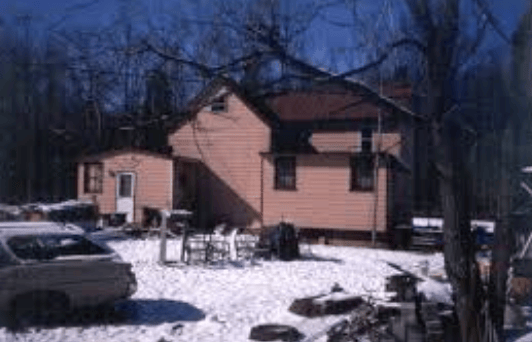
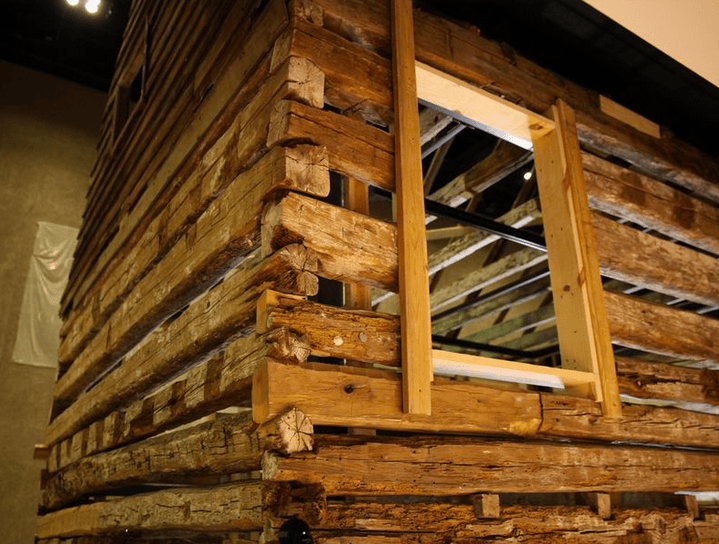
The pictures of the home below are of the original Jones house, which over time had some significant additions. This house is arguably the most viewed Poolesville house ever, as it has been reconstructed and placed in the African American History Museum in Washington, D.C. (so awesome!).

